

 Video call
 Talk to expert


 en
en




 Facebook
 Linkedin
 X (Twitter)
 Reddit
 Mail
Mail
 Copy Link


When you’re examining a diamond under jeweler’s loupe or considering a purchase, one question inevitably comes to mind: how clean is this stone? Diamond clarity is the gemological answer to that question—a precise measure of nature’s fingerprints left within the crystal during its formation deep within the Earth. Understanding clarity grading is essential not just for jewelers and collectors, but for anyone who wants to make an informed decision when investing in these extraordinary gems.
What Diamond Clarity Really Means
Diamond clarity refers to the presence—or absence—of inclusions and blemishes in a diamond. Think of inclusions as internal birthmarks: tiny crystals, feathers, clouds, or other features trapped inside the stone as it formed under immense pressure billions of years ago. Blemishes, on the other hand, are external marks on the diamond’s surface—scratches, nicks, or polish lines that might have occurred during the cutting process or through wear.
The fascinating thing about clarity is that it’s measured under very specific conditions. Gemologists examine loose diamonds face-up under 10× magnification in controlled lighting. This standardized approach ensures consistency—whether a diamond is graded in Antwerp, New York, or Mumbai, the criteria remain the same. The grader evaluates the size, number, position, and visibility of these characteristics, then assigns a grade on the internationally recognized scale.
What makes this evaluation particularly interesting is that clarity occupies a unique place among the famous “4Cs” of diamond quality. While cut determines brilliance and color affects beauty, clarity speaks to rarity and naturalness. A completely flawless diamond represents an extraordinary occurrence—nature creating perfection under chaos. Such stones comprise less than 1% of all diamonds ever discovered.
The Complete Clarity Scale at a Glance
FL → IF → VVS1 → VVS2 → VS1 → VS2 → SI1 → SI2 → I1 → I2 → I3
This progression from Flawless to Included represents not just grades on a scale, but a journey from absolute perfection to noticeable imperfection. Each step tells a story about what happened in the Earth’s mantle and how the diamond survived its journey to your hand.
Breaking Down Each Clarity Grade
Flawless (FL): The Pinnacle of Perfection
A Flawless diamond shows absolutely no inclusions or blemishes under 10× magnification. Finding one is like discovering a needle in a haystack—or rather, finding the one needle without a single imperfection in a stack of millions. These stones are extraordinarily rare and command premium prices not just for their rarity, but for what they represent: nature achieving the impossible.


To put this in perspective, fewer than 1% of diamonds reach FL status. Even among high-quality stones, achieving flawless clarity requires not just fortunate formation conditions, but also masterful cutting that introduces no surface marks whatsoever.
Internally Flawless (IF): Nearly There
Here’s where things get interesting. An Internally Flawless diamond has no inclusions visible at 10× magnification—only minor surface blemishes. To the naked eye, FL and IF diamonds are identical twins. The difference lies in microscopic surface characteristics that even experienced graders need magnification to detect.


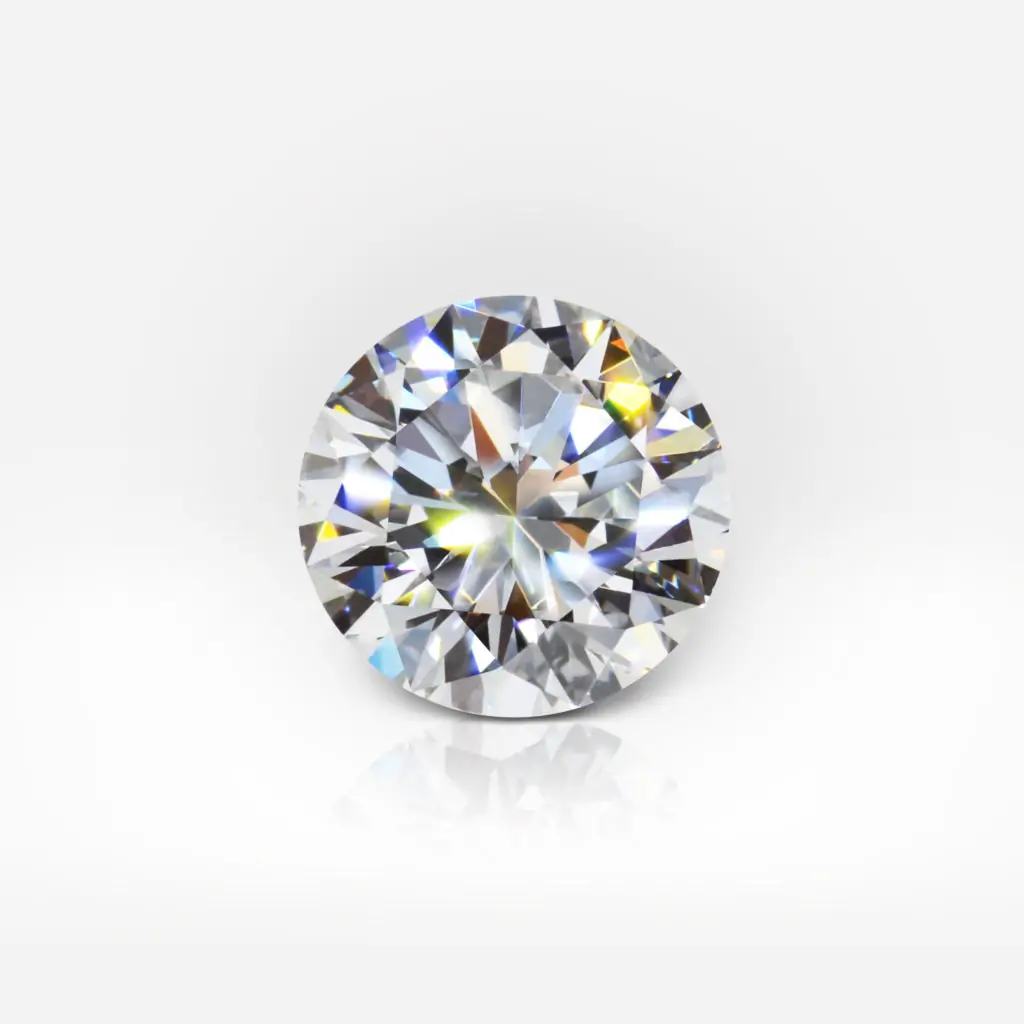
The creation of the IF grade in the 1970s was actually a brilliant piece of practical gemology. It discouraged diamond cutters from over-polishing stones just to eliminate every tiny surface mark, which could sacrifice weight or symmetry. Sometimes, a whisper of imperfection is worth preserving the diamond’s overall beauty.
Very, Very Slightly Included (VVS1 and VVS2): The Expert’s Challenge
VVS diamonds contain minute inclusions so tiny that even skilled gemologists have extreme difficulty spotting them under 10× magnification. We’re talking about inclusions so small they might be just a few pinpoints or needle-like crystals barely visible in the stone.


The distinction between VVS1 and VVS2 is subtle—VVS1 inclusions are even harder to find than VVS2. Both grades represent exceptional clarity, and to the unaided eye, these diamonds appear absolutely clean. They’re the kind of stones that make you appreciate the precision of modern gemological grading.
Very Slightly Included (VS1 and VS2): The Sweet Spot
VS clarity diamonds contain minor inclusions ranging from difficult (VS1) to somewhat easy (VS2) to see under 10× magnification. Here’s what makes these grades particularly interesting for buyers: VS diamonds typically show no visible flaws to the naked eye, yet they cost significantly less than VVS or IF stones.

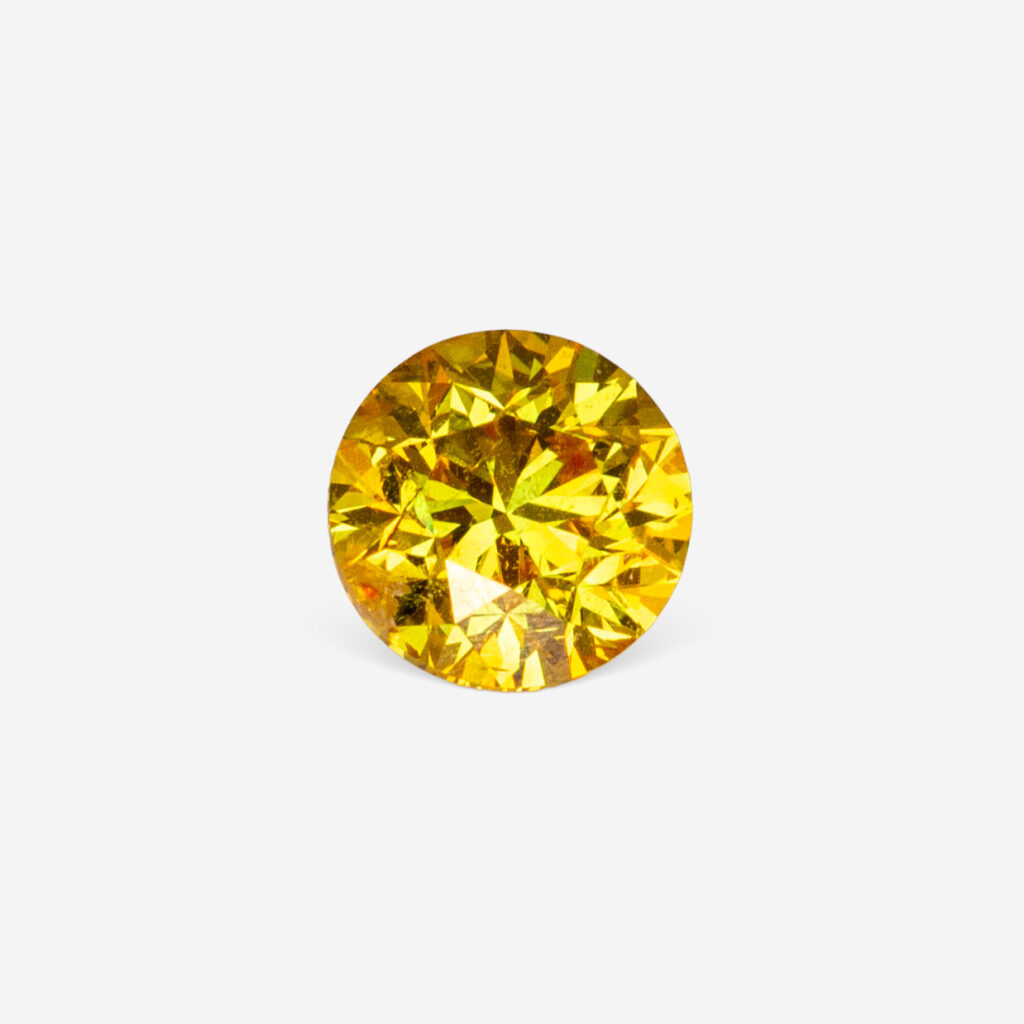

In rare cases—perhaps in a large VS2 diamond with an inclusion positioned exactly where light focuses—you might detect something without magnification. But for most VS diamonds, especially those under two carats, you’re getting a clean-looking stone at a much more accessible price point. This is why many experienced diamond buyers consider VS the optimal balance of quality and value.
Slightly Included (SI1 and SI2): Where Value Meets Visibility
SI clarity diamonds contain noticeable inclusions that are easy (SI1) or very easy (SI2) to see under magnification. Now we’re entering territory where the inclusions might—or might not—be visible to the naked eye, depending on several factors.
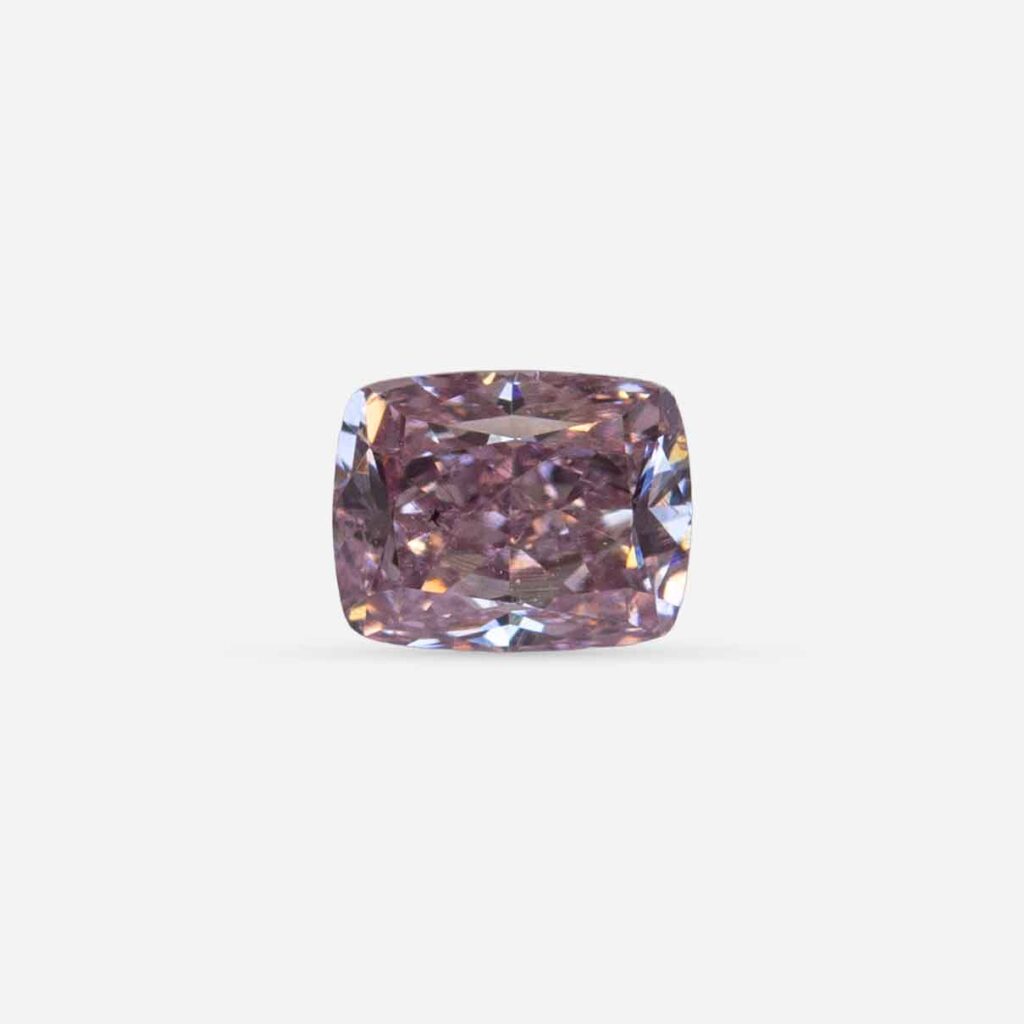
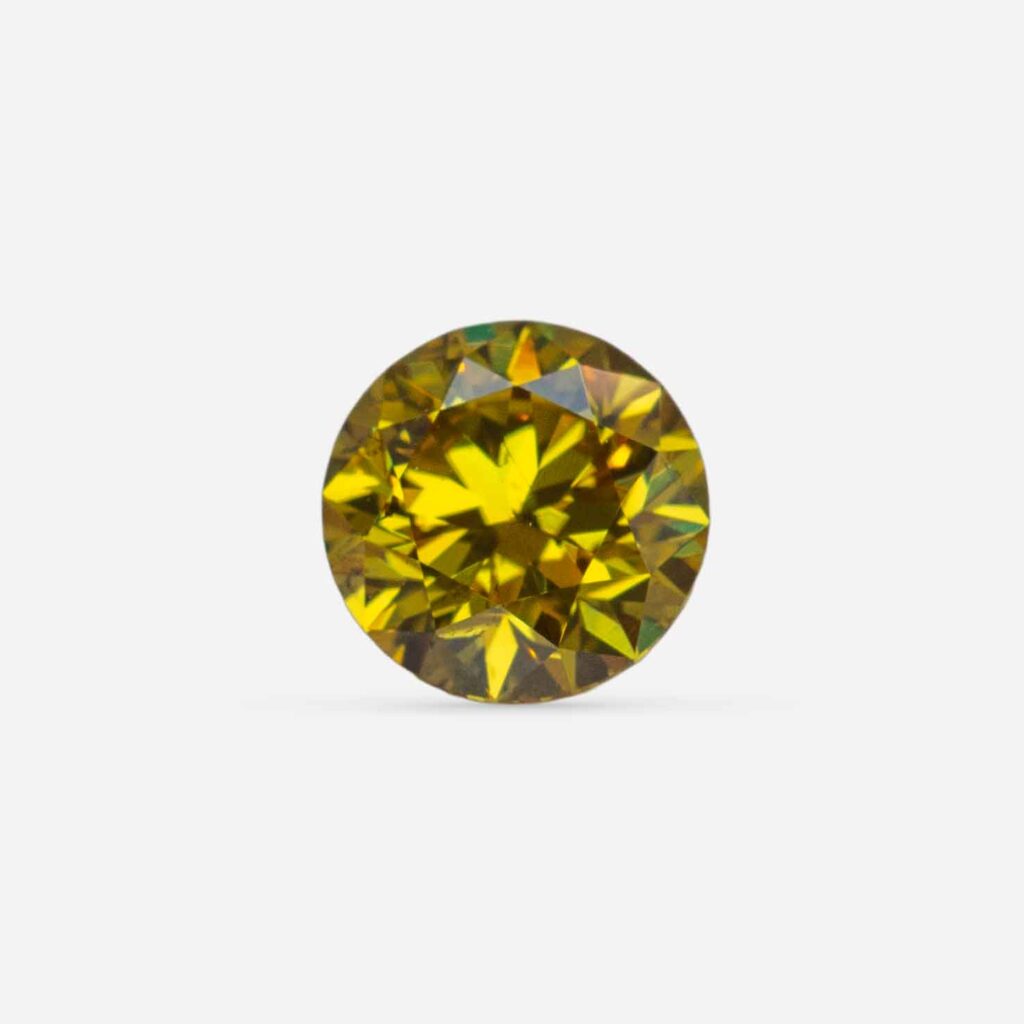
A small brilliant-cut SI2 diamond might still appear perfectly clean without magnification because the cut’s faceting pattern helps hide inclusions. However, an SI2 in a larger step-cut diamond (like an emerald cut) with its large open facets might reveal its inclusions more readily. The key question for SI diamonds is always: “Is it eye-clean?”
For budget-conscious buyers who want a beautiful diamond without paying premiums for differences invisible to the naked eye, SI clarity offers remarkable value—provided you examine the specific stone to ensure it meets your standards for eye-clean appearance.
Included (I1, I2, I3): When Inclusions Take Center Stage
Included diamonds contain obvious inclusions that are immediately visible under 10× magnification and often visible without any magnification at all. These inclusions may be large or numerous enough to affect the diamond’s transparency and brilliance.
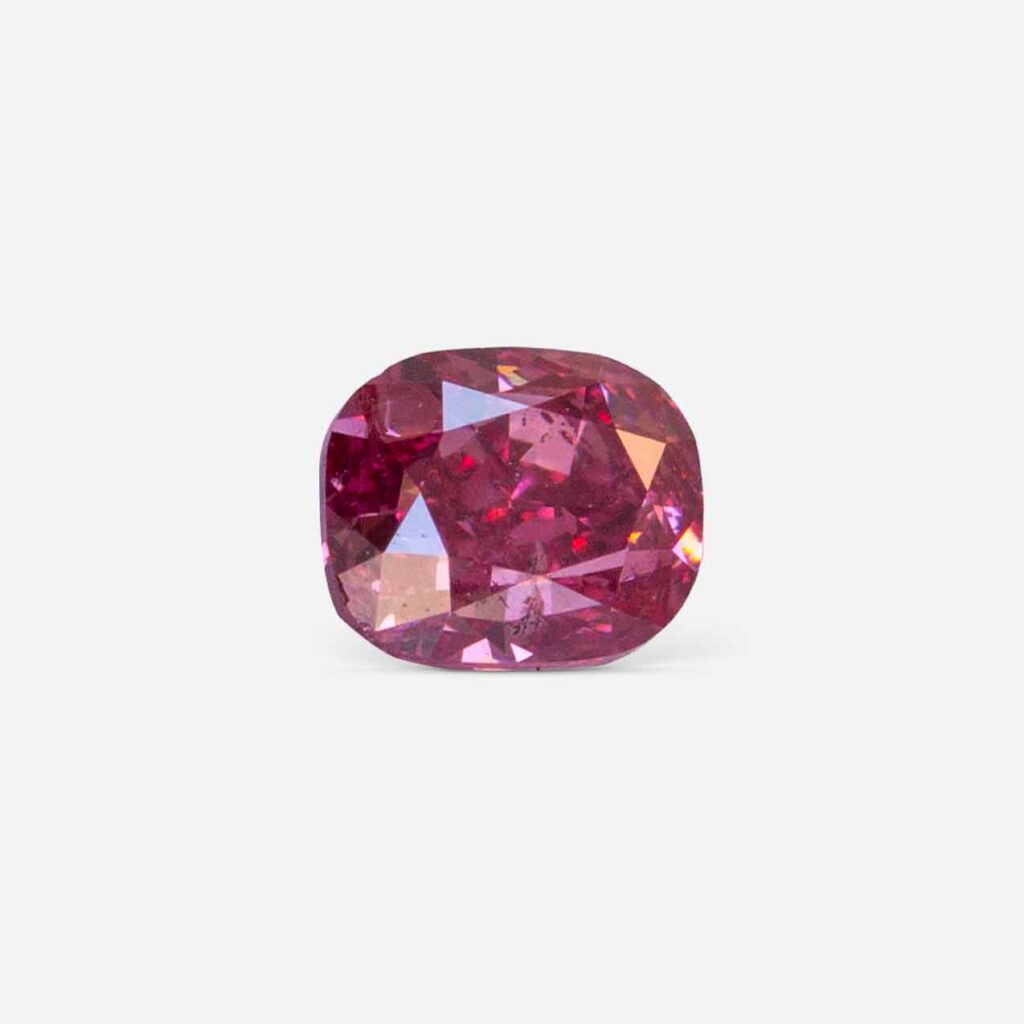


The three grades—I1, I2, and I3—indicate progressively greater inclusion presence, with I3 diamonds being severely included. At this level, inclusions can actually compromise the stone’s durability. A large feather or crack reaching the surface might threaten the diamond’s structural integrity, making it vulnerable to chipping or breaking.
While I-grade diamonds trade at steep discounts, many jewelers don’t recommend them for engagement rings or fine jewelry because the inclusions can detract from the stone’s beauty and longevity. However, they can serve well in other applications where maximum visual perfection isn’t the primary concern.
How the Modern Clarity Scale Came to Be
Before the 1950s, diamond clarity was something of a linguistic free-for-all. Jewelers used wonderfully poetic but hopelessly inconsistent terms. A clean diamond might be called “perfect,” “without flaws,” or “loupe clean.” Included stones were described with vague labels like “piqué” (French for “blemished”) or simply “with imperfections.” Imagine trying to compare diamonds across different jewelers when everyone had their own vocabulary!
The GIA Revolution
The modern clarity grading system emerged from the Gemological Institute of America in the early 1950s, spearheaded by Richard T. Liddicoat—often called the “father of modern gemology”—along with colleagues Marquis Person, Joe Phillips, Robert Crowningshield, and Bert Krashes. Their mission was ambitious: replace subjective jargon with a clear, rigorous, universal scale.
In 1953, GIA introduced its Diamond Grading System as part of its education curriculum and grading reports. This included the now-familiar clarity scale from Flawless down to Included, working in harmony with GIA’s new color grading scale (D-to-Z). Initially, the clarity system had nine grades: Flawless, VVS1, VVS2, VS1, VS2, SI1, SI2, I1, and I2. At that time, “I” stood for “Imperfect”—a term that would later be refined.
Evolution and Refinement
The clarity scale wasn’t carved in stone. During the 1970s, GIA introduced two important additions. First came the Internally Flawless (IF) grade, creating a distinction between diamonds with no internal inclusions and absolutely flawless stones. This subtle but important change recognized that microscopic surface blemishes shouldn’t automatically disqualify a perfectly clean internal structure.
The I3 grade also joined the scale during this period, responding to the growing market for heavily included diamonds. The industry needed better differentiation at the lower end of the scale, particularly as various treatments made it possible to work with more included material.
The final linguistic polish came in the 1990s when GIA replaced “Imperfect” with “Included.” This more neutral, descriptive language removed unnecessary judgment while maintaining precision. After all, even included diamonds are still diamonds—natural wonders formed over billions of years.
The Microscope Changes Everything
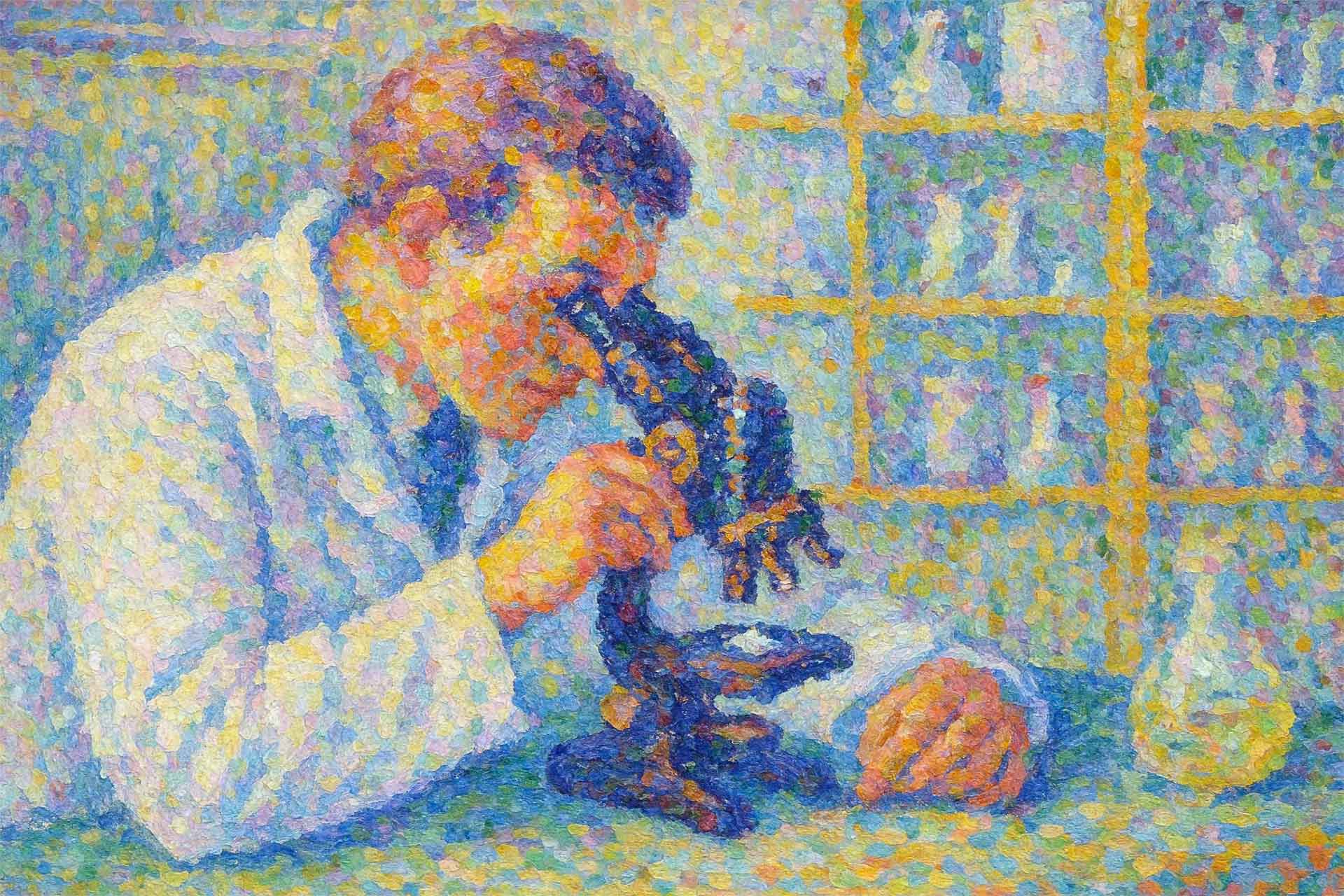
One innovation that made standardized clarity grading possible was the binocular microscope—another GIA contribution to gemology. This tool allowed graders to plot and scrutinize inclusions with unprecedented detail and consistency. Suddenly, gemologists in different countries could examine stones under identical conditions and reach the same conclusions. This consistency transformed diamond trading from a matter of trust and reputation to one of objective, verifiable data.
Global Standards and Variations
GIA’s clarity grading system didn’t just become popular—it became the international standard. Today, whether you’re shopping for diamonds in New York, Antwerp, Mumbai, or Hong Kong, you’ll encounter the same letter grades: VVS1, VS2, SI1, and so on.
Other Grading Systems
While GIA’s terminology dominates, other respected organizations use their own scales that closely align with GIA’s. The American Gemological Society (AGS) employs a numeric 0–10 scale for clarity, where 0 corresponds to Flawless/IF, 1–2 to VVS, 3–4 to VS, 5–6 to SI, and 7–10 to the I grades. An “AGS 2” clarity is equivalent to GIA VVS2—different notation, same standards.
The World Jewellery Confederation (CIBJO) and International Diamond Council (IDC) use traditional terminology that translates directly to GIA’s scale. They employ “Loupe Clean” for FL/IF, “Very Very Small Inclusions” for VVS, and “Piqué I, II, III” (from the French term) instead of I1, I2, I3. These are essentially different languages for the same concepts—a Piqué II under CIBJO standards equals an I2 by GIA.
The SI3 Controversy
Not all laboratories stick strictly to the standard. Some labs, particularly the European Gemological Laboratory (EGL), introduced an “SI3” grade between SI2 and I1. This grade was meant to label borderline stones that were just shy of being eye-clean but better than typical I1 diamonds. However, SI3 isn’t recognized by GIA or AGS, and its introduction created confusion in the market. When a grading system starts introducing non-standard grades, it undermines the universal language that makes diamond trading possible. Reputable labs have largely stuck to the FL–I3 scale to maintain consistency.
How Clarity Affects Price: The Rarity Premium
Clarity significantly impacts diamond value, and the relationship is straightforward: rarer means pricier. All other factors being equal—same carat weight, color, and cut—a diamond with fewer visible inclusions commands a higher price than one with more imperfections.
The Numbers Don’t Lie
Consider these real-world examples. In the wholesale market, a 1.00-carat, D-color diamond of grade VVS1 can cost about 40% more than an identical VS1 diamond. Both stones look absolutely flawless to the naked eye—the difference only appears under magnification. Yet the price premium reflects the VVS1’s rarity.
The price gaps grow more dramatic at the extremes. Jumping from SI2 clarity to VVS1 clarity (roughly five grades higher) can double the price of a 1-carat diamond—from around $6,500 to $13,500—with all other factors held constant. At the very top, truly flawless diamonds command prices that reflect their one-in-millions occurrence.
The Value Buyer’s Secret
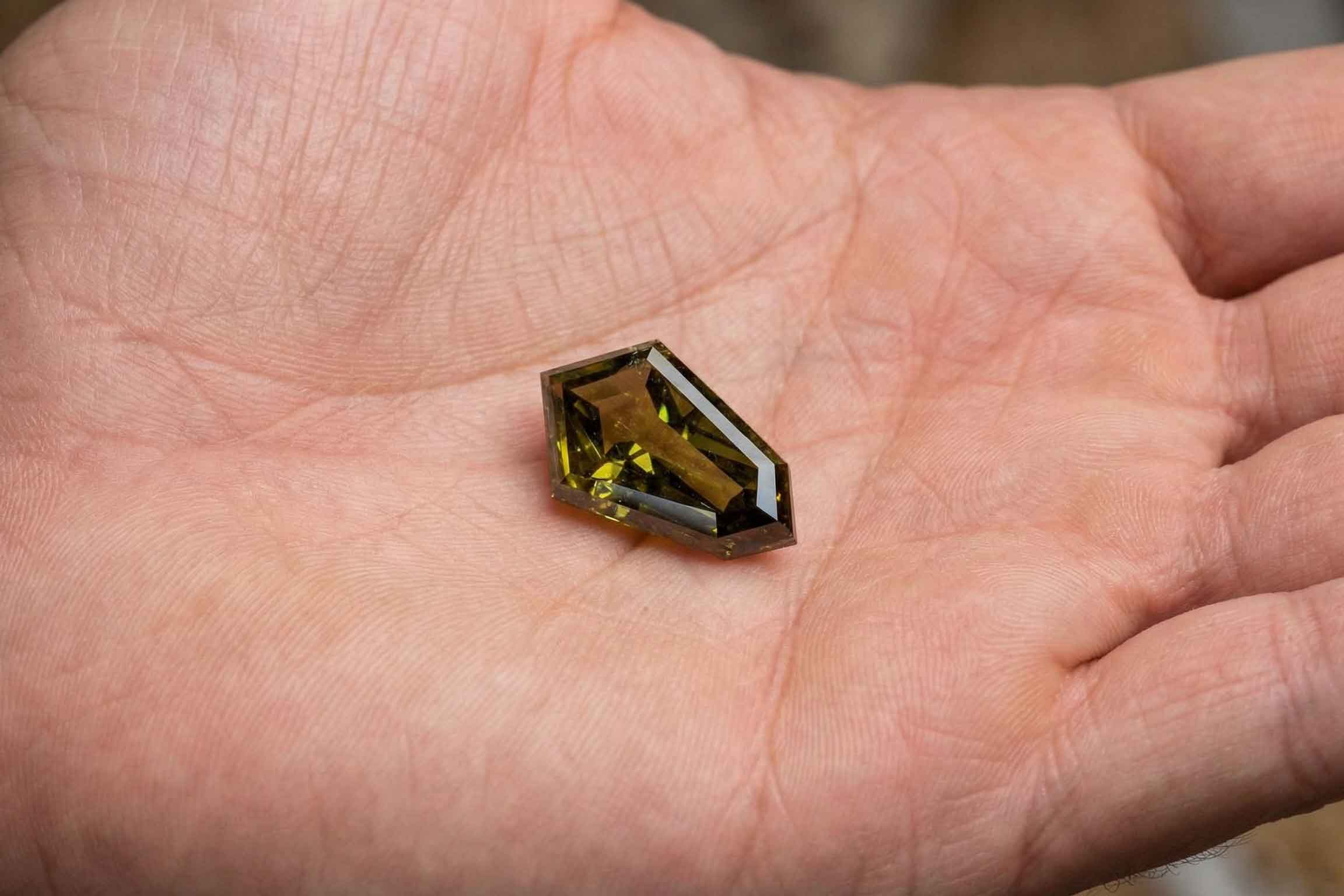
Here’s where diamond shopping gets interesting. Because grades like VS2, VVS2, IF, and FL often look identical to the naked eye, experienced buyers frequently choose slightly included diamonds that still appear clean, investing their savings in better cut quality or larger size.
Industry data supports this strategy. Major retailers report that VS and SI range diamonds are their most popular clarity grades because they “look the same as the higher grades, visually,” yet cost far less. The key is finding a stone that’s “eye-clean”—no inclusions visible without magnification—which many SI and VS diamonds achieve, especially in well-cut stones under one carat.
The sweet spot for value-conscious buyers typically falls in the VS2 to SI1 range. These grades offer clean appearance without the premium you’d pay for differences only visible under a jeweler’s loupe. Meanwhile, at the bottom end, I-grade diamonds trade at deep discounts but may have compromised brilliance or durability. Some I3 stones appear cloudy or contain cracks that weaken them—which is why many jewelers don’t carry I-grade diamonds for center stones in fine jewelry.
Clarity and Resale Value
When discussing diamond investment and resale, it’s important to manage expectations. Diamonds generally resell for 20%–60% of their original retail purchase price, largely because retail jewelry carries substantial markups. However, within that range, clarity plays a crucial role.
A higher-quality diamond—with better clarity, color, cut, and carat—will fetch closer to the upper end of the resale range. A visibly included or poorly colored diamond might be toward the lower end. The same 4Cs that determine retail price also determine secondary market value. A diamond with fewer flaws is more desirable and liquid in the resale market, potentially holding its value slightly better over time.
Low-clarity stones, especially those with problems visible to the naked eye or that compromise structural integrity, face steep discounts from dealers or may be difficult to sell. Conversely, even flawless diamonds don’t typically appreciate like traditional investments—their resale value remains subject to market conditions and the fact that new buyers won’t pay for the original retail markup. The takeaway? Clarity affects a diamond’s price both when buying and selling, but diamonds should be purchased primarily for their beauty and sentiment rather than as financial investments.
Practical Clarity Considerations
Size Matters
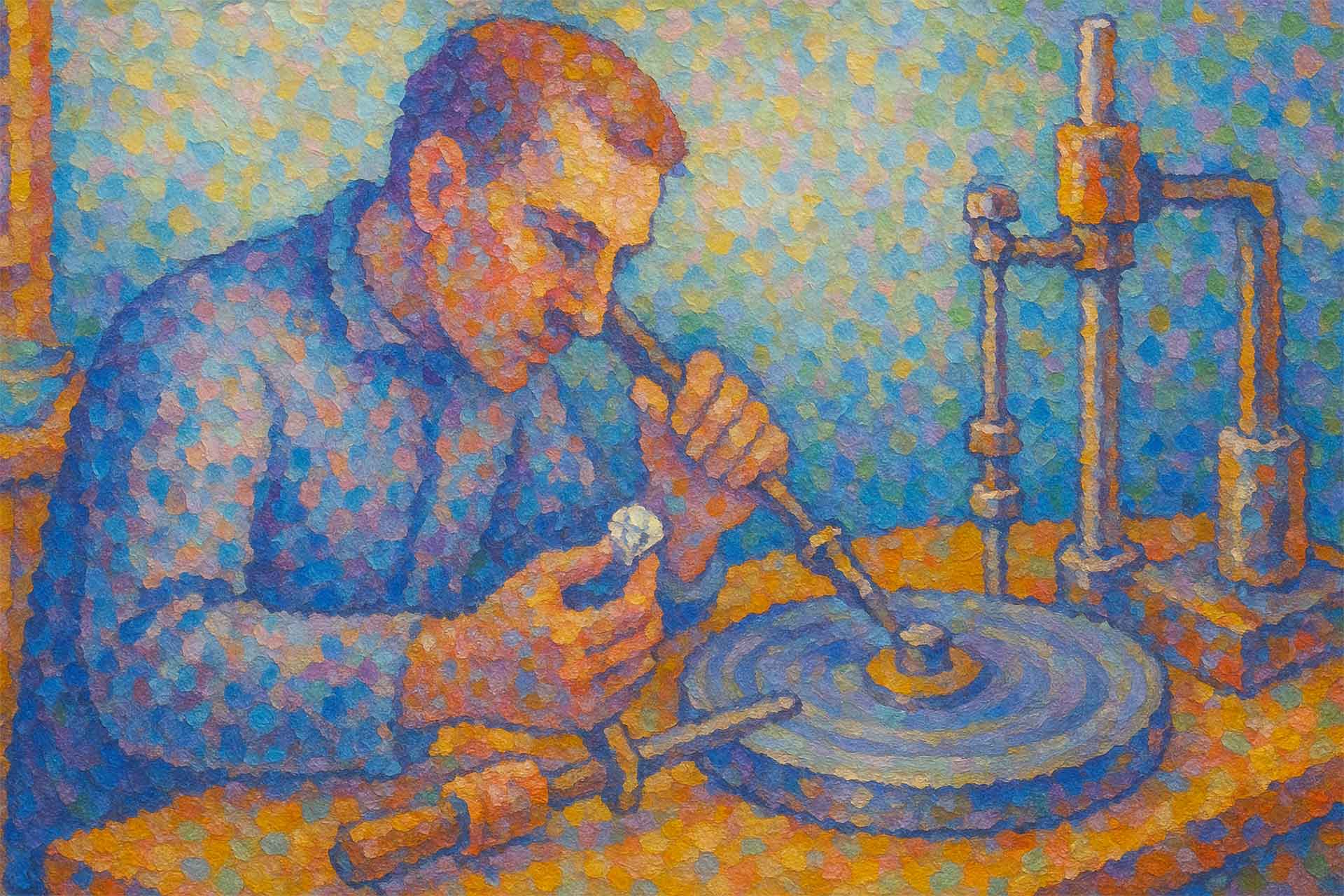
Diamond size significantly impacts how clarity affects appearance. In smaller stones (under 0.50 carats), even SI2 diamonds often appear eye-clean because inclusions are proportionally tiny. As diamonds grow larger, the same size inclusion becomes more visible. A small crystal that’s invisible in a 0.50-carat diamond might be noticeable in a 2.00-carat stone. This is why clarity requirements often increase with carat weight if you want to maintain an eye-clean appearance.
Cut Style and Clarity
Different diamond cuts hide or reveal inclusions differently. Brilliant cuts—like round, oval, or cushion—have numerous facets that can mask inclusions through their complex light return. Step cuts—like emerald or Asscher—feature large, open facets that act like windows into the stone, making inclusions more visible. An SI2 clarity might work beautifully in a brilliant-cut diamond but show obvious inclusions in an emerald cut. This relationship between cut and clarity deserves careful consideration when selecting a diamond.
Location, Location, Location
Where an inclusion sits within the diamond matters enormously. An inclusion near the edge might be hidden by a prong setting. One positioned under the table (the top flat facet) will be more visible than one tucked under the crown or near the girdle. Two diamonds with the same clarity grade can look dramatically different based on inclusion placement. This is why examining the actual diamond—not just its certificate—is essential.
Making Your Clarity Decision
Choosing the right clarity grade is ultimately personal, balancing budget, preference, and purpose. For engagement rings and significant jewelry pieces, most experts recommend staying in the VS2 to SI1 range for the best value, ensuring the stone is eye-clean. For collectors or those who want the satisfaction of knowing their diamond is exceptional under the loupe, VVS grades offer near-perfection without the extreme premium of IF or FL.
Remember that clarity is just one element of diamond beauty. A well-cut VS2 diamond will almost certainly look more brilliant than a poorly cut VVS1 stone. The cut quality affects how light performs within the diamond, while clarity simply indicates how clean the diamond is. When these factors work together—excellent cut, balanced color, appropriate clarity, and the right carat weight for your setting—you get a truly spectacular diamond.
The Beauty of Imperfection
There’s something poetic about diamond inclusions. These tiny imperfections are nature’s signature, proof that your diamond formed under extraordinary conditions deep within the Earth over billions of years. No two diamonds have identical inclusion patterns—they’re as unique as fingerprints. While we grade diamonds on their clarity, these “flaws” tell stories of geological drama, impossible pressure, and the long journey from the Earth’s mantle to your hand.
Understanding clarity grading helps you make informed decisions, but it shouldn’t make you forget the wonder of what you’re holding. Whether your diamond is flawless or slightly included, it represents one of nature’s most remarkable achievements—carbon transformed into crystalline beauty through time, pressure, and chance.
As you explore our collection of certified diamonds, remember that the “right” clarity is the one that brings you joy, fits your budget, and meets your standards for beauty. The clarity scale gives us a common language to discuss these extraordinary gems, but the final decision is always yours—guided by knowledge, yes, but ultimately driven by what captures your heart when you see that diamond sparkle in the light.





 Back
Back