

 Video call
 Talk to expert


 en
en



 Facebook
 Linkedin
 X (Twitter)
 Reddit
 Mail
Mail
 Copy Link


When you admire a brilliant blue sapphire or a vivid red ruby in a jewelry display, there’s a good chance that gemstone has undergone one of the jewelry industry’s most ancient and widely accepted practices: heat treatment. This enhancement technique, which has been used for thousands of years, remains one of the most important processes in bringing out the natural beauty locked within gemstones. Understanding heat treatment is essential for anyone interested in purchasing diamonds and colored gemstones, as it profoundly affects both appearance and value.
What Is Heat Treatment?
Heat treatment is the process of exposing natural gemstones to controlled high temperatures to improve their color, clarity, or both. Rather than creating something artificial, heat treatment simply enhances the beauty that nature has already begun. The stone is placed in specialized furnaces that can reach temperatures ranging from approximately 500°C to over 1,800°C, depending on the type of gemstone being treated.
During this process, the intense heat causes chemical and physical changes within the gem’s crystal structure. Color-causing impurities may diffuse or realign, inclusions can dissolve or become less visible, and the overall transparency of the stone often improves dramatically. Importantly, no artificial coloring agents or foreign materials are added—only heat is applied to unlock the gemstone’s inherent potential.
This practice has deep historical roots. Ancient gem traders in Sri Lanka, Burma, and other gem-rich regions discovered that simply placing dull or pale gemstones in fire or hot coals could produce far more vibrant colors. Today’s technology is far more sophisticated, using specialized muffle kilns with precise temperature controls, but the fundamental principle remains unchanged: heat reveals beauty.
The Science Behind the Transformation
Modern gemological laboratories use advanced furnaces that maintain exact temperatures under carefully controlled conditions. Some gems are heated in open air, while others require vacuum environments or inert gas atmospheres to prevent unwanted chemical reactions. The heating may involve rapid or gradual temperature changes, and cooling rates are often precisely managed to achieve specific results.
When done properly, the improvements are permanent. The enhanced color and clarity will not reverse under normal wearing conditions, making heat treatment one of the most stable and reliable enhancement methods available. This permanence is one reason why the jewelry industry—and most importantly, consumers—widely accept heat-treated stones as legitimate natural gemstones.
Common Gemstones That Undergo Heat Treatment
A remarkable variety of natural colored gemstones regularly undergo heat treatment. Understanding which stones are commonly treated helps you make informed purchasing decisions.
Ruby and Sapphire (Corundum)
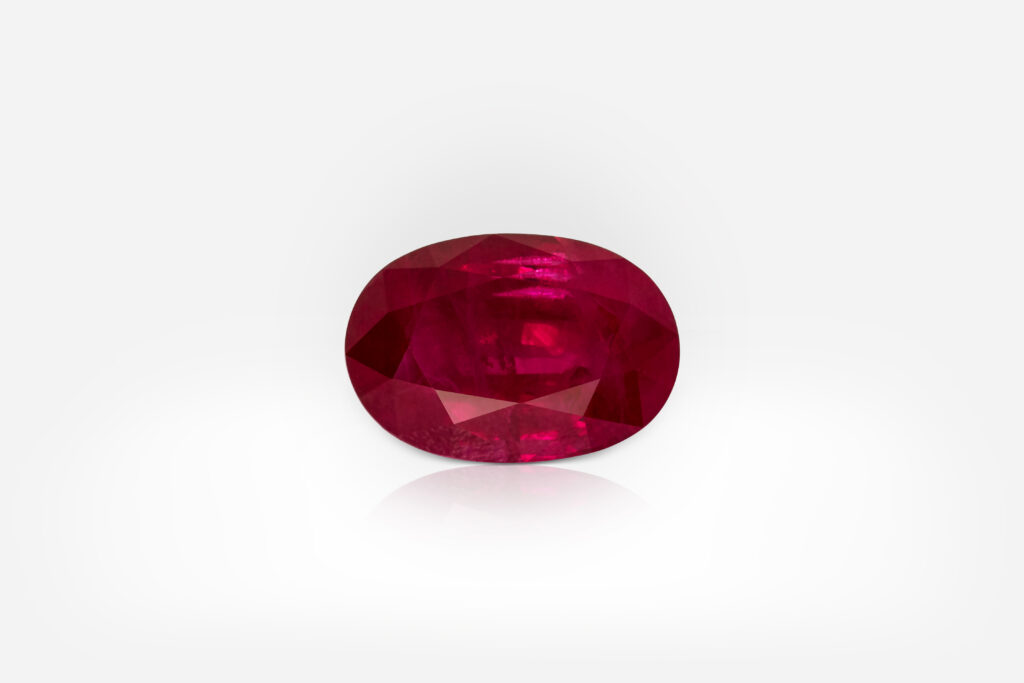
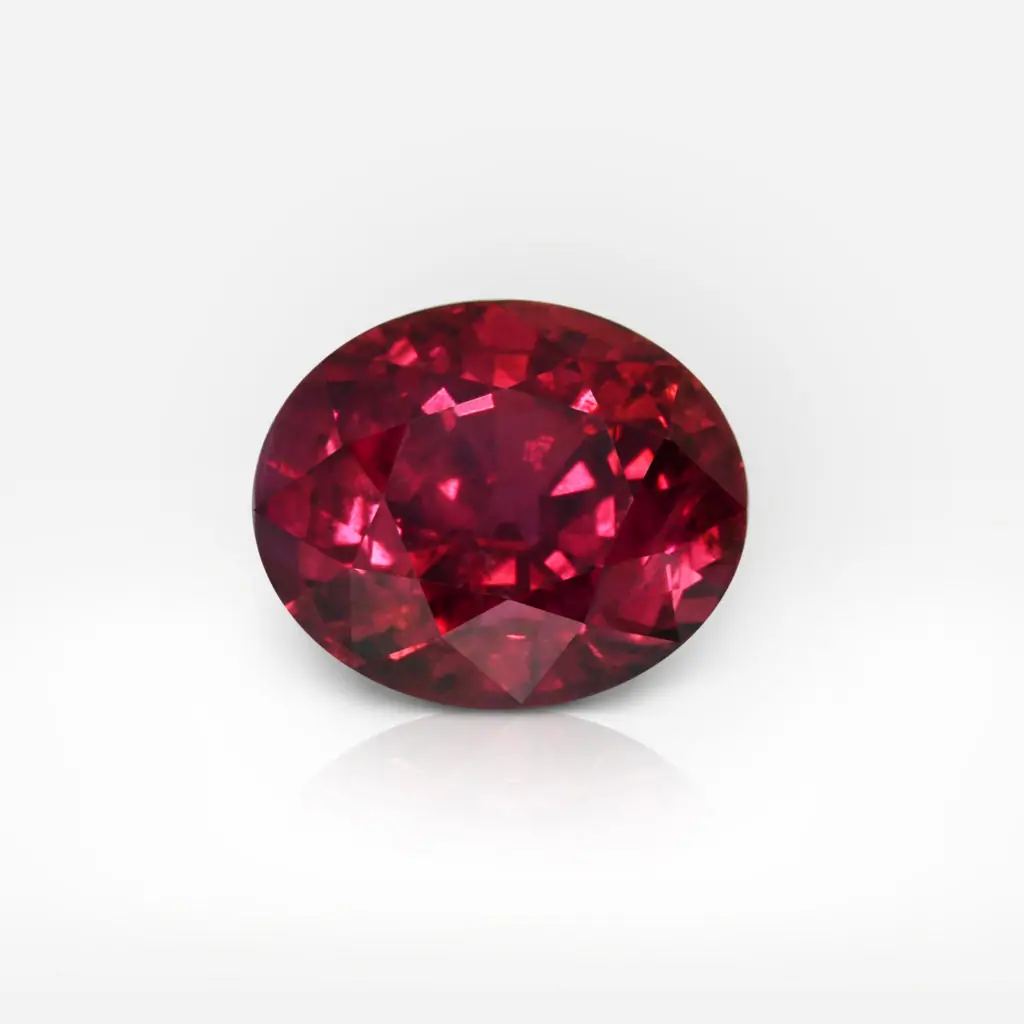
The corundum family—which includes both rubies and sapphires—represents perhaps the most commonly heat-treated gemstones. Industry estimates suggest that 85-90% of all rubies and sapphires on the market today have been heat-treated. A ruby with a dark purplish tint can transform into a pure, vivid red after heating, while a pale, grayish sapphire can become a magnificent royal blue.
Without heat treatment, the supply of attractive rubies and sapphires would be drastically limited. Many stones emerge from the earth with potential beauty that only heat can fully realize. This is why finding a certified unheated ruby or sapphire of fine quality is exceptionally rare and commands premium prices.

Tanzanite
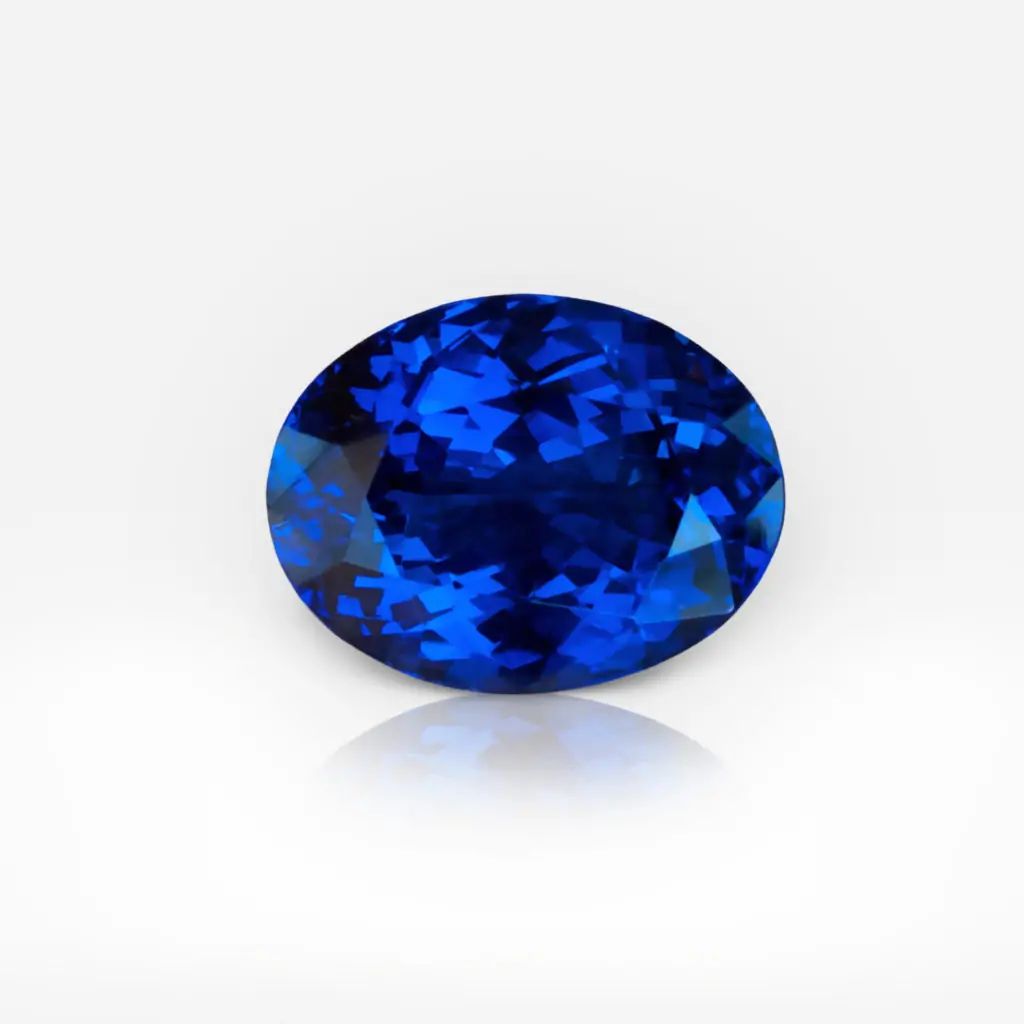
This stunning blue-violet gemstone, a variety of zoisite, is almost universally heat-treated. In its natural state, tanzanite typically exhibits a brownish or yellowish cast. Heating at around 500°C transforms these unappealing colors into the sought-after blue-violet hue that has made tanzanite so popular. Without heat treatment, the classic “tanzanite blue” would be extraordinarily rare in nature.

Topaz
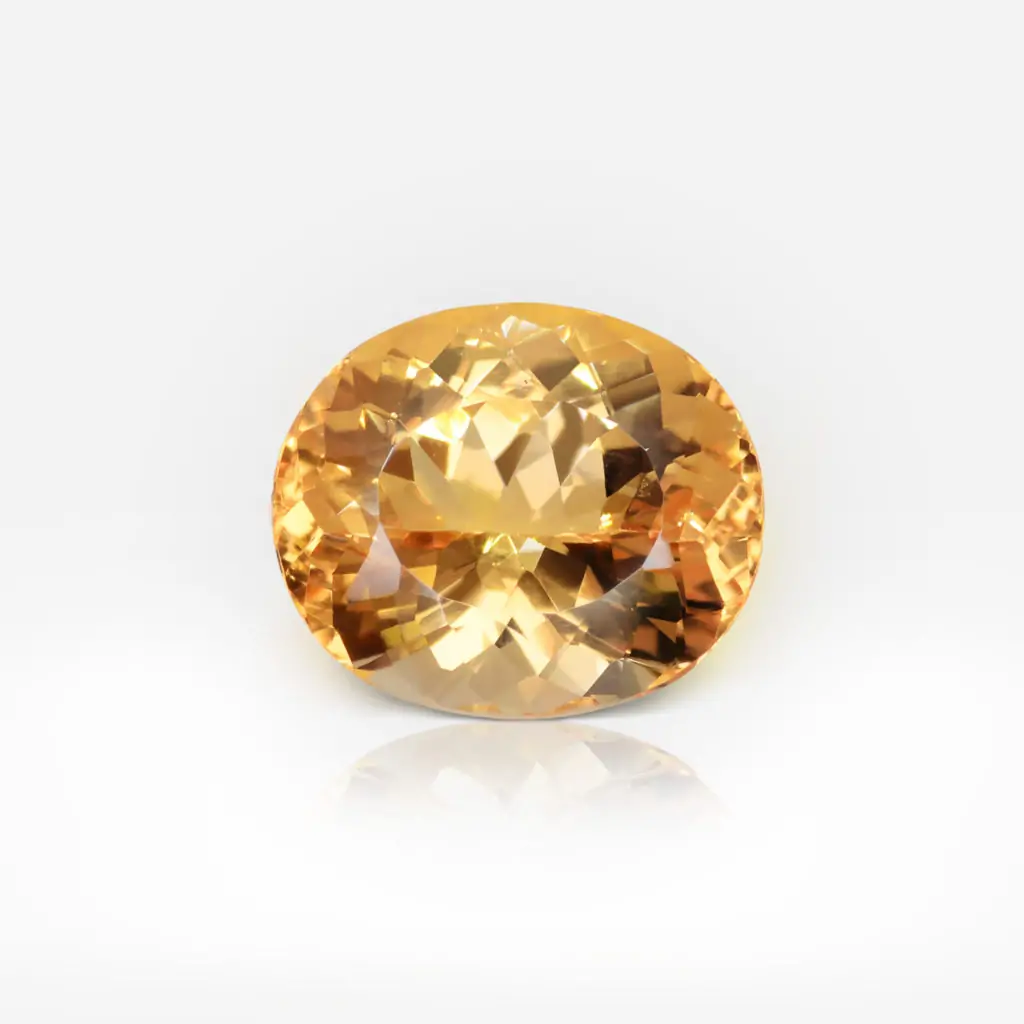
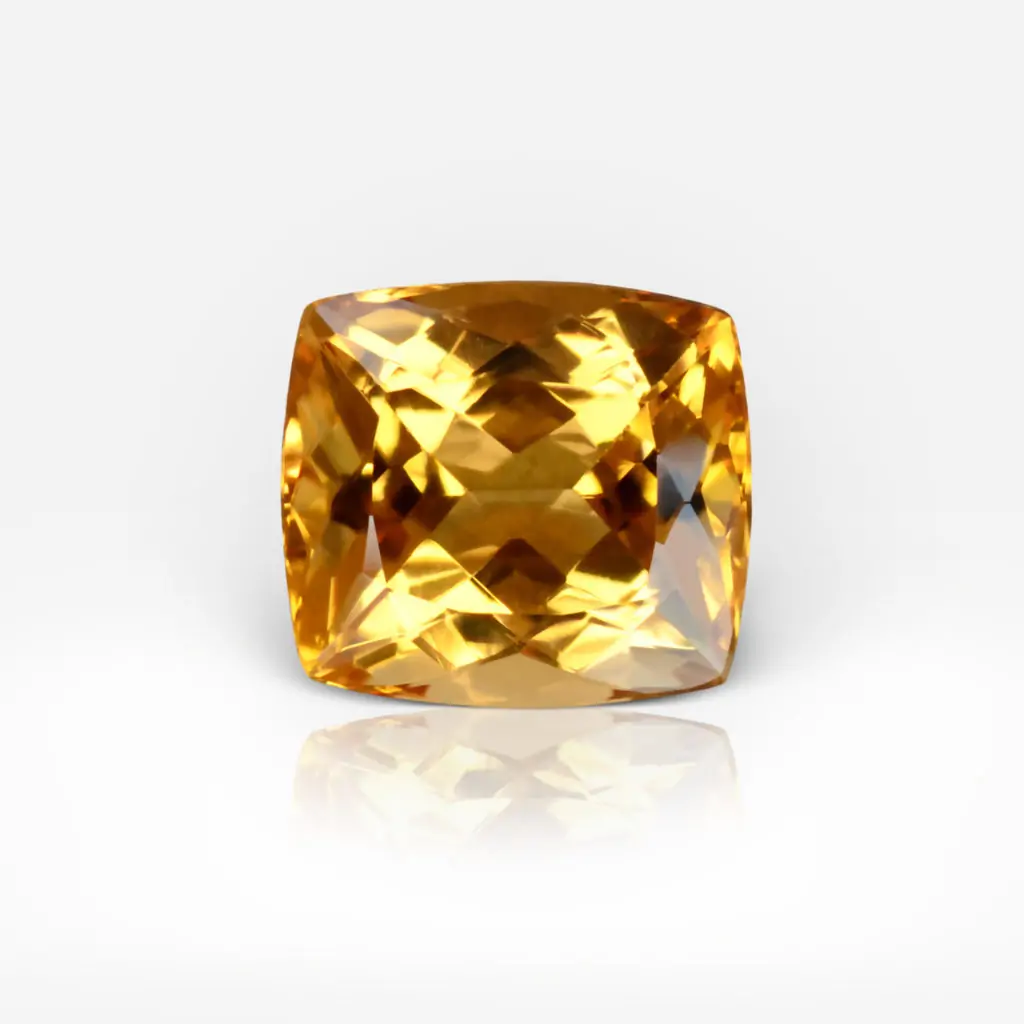
Many golden or “sherry” colored topaz stones begin life as colorless or pale crystals that gain their warm, attractive hues through heating. The process brings out the yellow to orange tones that make these gems desirable for jewelry.
Quartz Family
The versatile quartz family responds dramatically to heat. Amethyst can be heated to lighten its purple color or, at higher temperatures, transform entirely into citrine (yellow or orange quartz). Smoky quartz can similarly be heated to produce golden citrine. These transformations demonstrate how heat can completely change a gemstone’s appearance while maintaining its natural mineral structure.
Aquamarine and Beryl
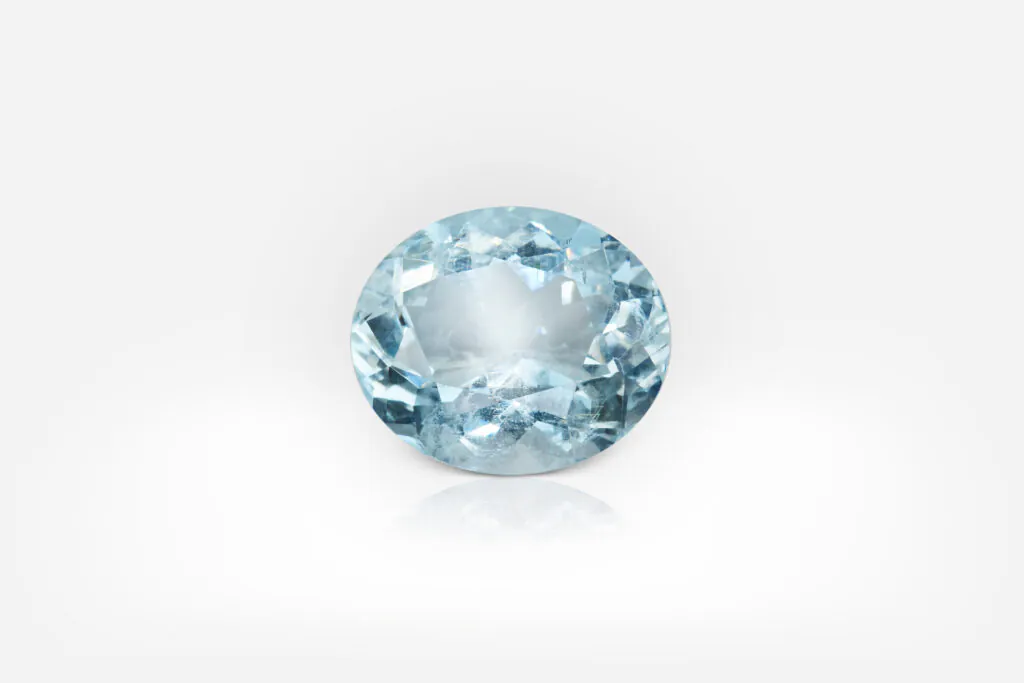
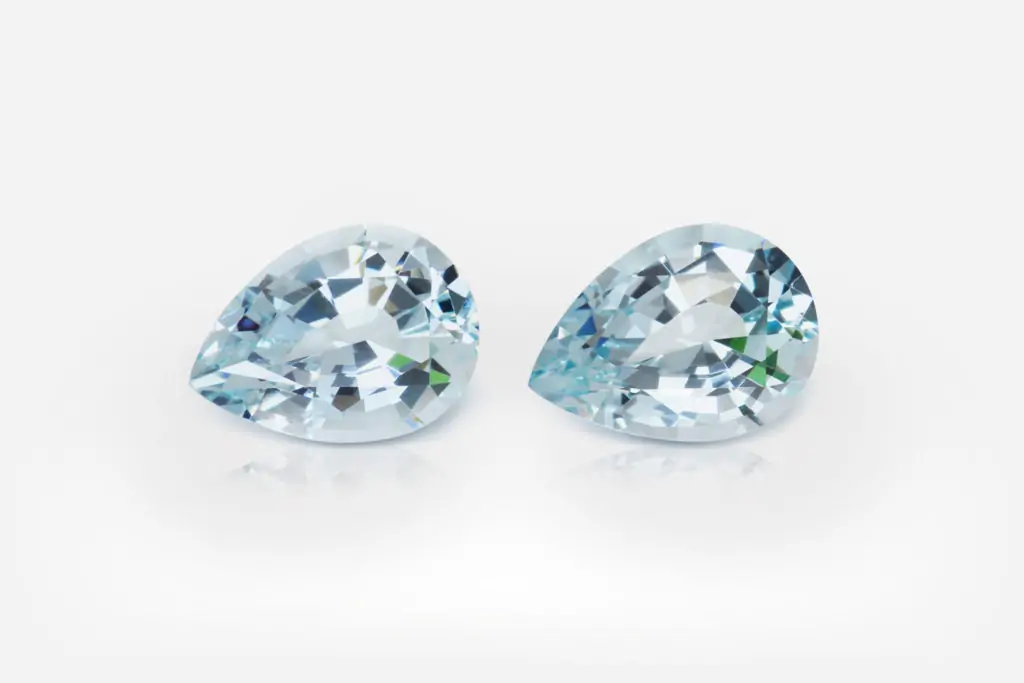
Natural aquamarine often has a greenish tint when mined. Routine heating removes these yellow-green tones, leaving the pure, clear sea-blue color that defines this beloved gemstone. The process is so standard that finding untreated aquamarine with perfect color is extremely unusual.
Zircon
The brilliant blue zircons you see in jewelry typically started life as brownish stones. Heat treatment produces the intense blue color that makes these gems sparkle so beautifully, offering an affordable alternative to blue sapphire.
Heat Treatment and Diamonds
While colored gemstones undergo traditional heat treatment, diamonds require a more sophisticated approach due to their exceptional hardness and crystal structure. The most significant diamond treatment process is HPHT (High Pressure, High Temperature).
HPHT treatment recreates the extreme conditions found deep within the Earth where diamonds are formed. Specialized presses and furnaces subject stones to temperatures exceeding 2,000°C (approximately 3,700°F) combined with intense pressure. This process was originally developed to remove or reduce brownish coloration in certain diamonds, essentially “finishing” the crystal growth process under controlled laboratory conditions.
The results can be dramatic. A brown or lightly tinted diamond can emerge from HPHT treatment as a colorless white diamond, significantly increasing its visual appeal. The process can also create fancy colored diamonds—certain yellowish diamonds may turn pink or blue after HPHT processing, offering consumers access to rare diamond colors at more accessible price points.
Another enhancement technique combines irradiation with gentle heating (called annealing). Diamonds are exposed to radiation to induce green or blue coloration, then carefully heated to modify these colors into pink, yellow, or other desirable hues. These treated colored diamonds provide affordable alternatives to extremely rare natural fancy-colored diamonds, which can cost hundreds of thousands of dollars per carat.
Why Are Gemstones Heat-Treated?
Understanding the motivations behind heat treatment helps explain why this practice is so prevalent throughout the jewelry industry.
Color Enhancement
The primary reason for heat treatment is straightforward: to make gemstones more beautiful. Many gems don’t emerge from the earth with perfect colors. A grayish blue sapphire or a ruby with brownish tints appears dull and unattractive. Heating can deepen a sapphire’s blue or eliminate unwanted overtones in a ruby, yielding purer, more vivid colors that consumers desire.
The transformations can be spectacular. A cloudy, unremarkable ruby can become a vibrant pigeon-blood red. A pale sapphire can achieve brilliant royal blue. Brown zoisite becomes the coveted blue-violet tanzanite. Without heat treatment, these desirable colors would be extremely scarce—in some cases, virtually nonexistent in commercial quantities.
Clarity Improvement
Heat treatment doesn’t only affect color. At high temperatures, tiny internal inclusions such as rutile mineral needles (sometimes called “silk”) begin to dissolve or realign within corundum gemstones. This process can transform a milky, clouded sapphire into a transparent, brilliant gem. Some treatments can reduce inclusions by up to 90%, dramatically improving the stone’s clarity and light performance.
Heat can also help heal small fissures in certain stones, further improving their overall appearance and durability. The result is a clearer, brighter gemstone that displays color more vividly and catches light more effectively.
Market Supply and Accessibility
From an industry perspective, heat treatment solves a critical supply problem. Gemological experts explain that treatments help overcome the undersupply of attractive gemstones by making stones saleable that otherwise wouldn’t be worth cutting and polishing. In most gem deposits worldwide, the majority of material has muddy colors or too many flaws to be desirable in its natural state.
By heating these stones, diamond dealers and gem traders can transform low-grade rough material into something genuinely beautiful. This benefits mining communities, creates more jobs in cutting and polishing, and helps meet market demand for popular gemstones. High-quality unheated rubies or sapphires are extraordinarily rare—if the industry insisted on selling only untreated material, there would be far fewer of these beloved gems available to consumers.
Creating Rare Colors
Some gemstone colors that consumers love are hardly ever found naturally. The orange-pink padparadscha sapphire, for instance, is exceptionally rare in untreated form. However, pale sapphires can be heated to approximate this color, making it accessible at lower price points. Similarly, fine blue zircon results almost exclusively from heating brown zircon, as the blue variety is virtually unknown in nature.
Heat treatment essentially creates or enhances coveted colors that nature produces only in tiny quantities, democratizing access to beautiful gemstones that would otherwise be available only to the wealthiest collectors.
How Heat Treatment Affects Value and Price
Understanding the relationship between heat treatment and value is crucial for both buyers and collectors. The impact on pricing is significant and creates distinct market segments.
Market Acceptance
First and foremost, heat-treated gemstones are widely accepted throughout the jewelry trade, provided the treatment is properly disclosed. Unlike some controversial enhancement methods, traditional heating is considered a normal, legitimate part of preparing gemstones for market. Both retail stores and auction houses legally and ethically sell heated gems, and consumers benefit by accessing beautiful stones at lower prices than comparable untreated specimens.
The market essentially operates on two pricing tiers for many colored gemstones: heated versus unheated. Treated stones are generally much more affordable, while stones certified as showing “no indications of heat” command significant premiums. There are customer bases for both categories—one buyer might choose a treated sapphire for the best appearance within their budget, while a collector might invest substantially more in a similar-looking sapphire certified as unheated and completely natural.
Dramatic Price Differences
The price gap between treated and untreated gemstones can be substantial. Industry sources indicate that heat-treated gemstones might cost only one-fifth to one-tenth the price of natural, unheated gems of equivalent appearance. For example, a top-grade unheated blue sapphire could cost around $5,000 per carat, whereas a heated sapphire of similar visual quality might be priced at $500-$1,000 per carat.
This price differential reflects rarity. The treated stone is much cheaper because many similar stones exist, thanks to treatment. Finding a naturally vivid blue, unheated sapphire is extraordinarily rare. In the ruby market, an unheated “pigeon blood” Burmese ruby can cost several times more than a heated ruby of identical color. Elite collectors and investors prize untreated gems for their rarity, with such stones sometimes commanding prices 10 to 100 times higher than treated equivalents, especially in high-end sales.
Diamond Treatment Pricing
The pricing dynamics are even more extreme with treated colored diamonds. Natural fancy-colored diamonds—particularly intense blues, pinks, or vivid yellows—are among the rarest gems on Earth, priced accordingly at tens or hundreds of thousands of dollars per carat for the most desirable hues.
Treated colored diamonds sell for a fraction of these prices. A 1.06-carat fancy vivid blue diamond that is completely natural might retail for over $500,000, whereas a similar 1-carat color-enhanced blue diamond (produced through irradiation and heat) could cost only $3,000-$5,000. That represents a price difference of two orders of magnitude for visually similar blue stones, purely because one is “as nature made it” and the other achieved its color through treatment.
Even less extreme cases follow this pattern. An HPHT-treated yellow diamond might be 50% or more cheaper than a natural fancy yellow of the same size and clarity. Some retailers note that customers can save 45-70% by choosing HPHT-treated yellow diamonds instead of comparable natural yellows, with savings reaching up to 90% for certain colors like blues or greens.
In the white diamond market, HPHT-treated colorless diamonds (those that started brown and were turned colorless) also sell for less than truly natural colorless diamonds of the same grade. An internally flawless 3-carat diamond HPHT-treated to D color might be half the price of a natural D-color stone. These discounts reflect the fact that treatment makes what was once rare—a colorless or fancy-colored diamond—relatively more available.
Investment and Resale Considerations
Because of these pricing dynamics, heat-treated stones generally have lower resale and investment value compared to exceptional untreated stones. An untreated gem with proper documentation (such as a laboratory certificate stating “No indications of heat”) is considered a rare collectible. Such stones not only command higher initial prices but may also appreciate over time as truly natural gems become increasingly scarce.
In some regions and high-end markets, collectors aggressively seek untreated material. Elite buyers in the Middle East or Asia, for instance, often pay substantial premiums for certified unheated rubies, sapphires, or emeralds. These stones represent the pinnacle of natural rarity.
Heat-treated gems, while beautiful and valuable, are not as rare. Their value typically follows the fluctuating supply of similar treated stones rather than appreciating as rare natural specimens do. This doesn’t mean treated gems lack resale value—they certainly maintain value and fine treated stones can be quite valuable—just less so than their untreated counterparts of similar appearance.
| Factor | Heat-Treated Gemstones | Untreated (Natural) Gemstones |
|---|---|---|
| Market Availability | Very common (85-90% of market) | Rare (only 2-10% of market) |
| Visual Appearance | Enhanced color and clarity, often stunning | Natural color and clarity, can be equally beautiful |
| Price Range | $500-$1,000 per carat (for fine quality sapphire) | $5,000+ per carat (for comparable sapphire) |
| Value Difference | 10-20% of untreated equivalent | 5-10x more valuable than treated |
| Investment Potential | Stable value, modest appreciation | Strong appreciation potential, highly collectible |
| Resale Market | Broad consumer market | Collector and connoisseur market |
| Certification Importance | Recommended for transparency | Essential to verify and maximize value |
| Durability | Permanent, stable enhancement | Natural durability |
| Industry Acceptance | Widely accepted when disclosed | Premium status, highly sought after |
| Best For | Everyday wear, beauty-focused buyers, budget-conscious | Collectors, investors, heirloom pieces |
| Example: 1ct Blue Sapphire | $800-$1,200 | $4,000-$8,000 |
| Example: 1ct Fancy Blue Diamond | $3,000-$5,000 | $500,000+ |
Note: Prices are approximate and vary based on size, quality, origin, and market conditions. Always request certification from reputable gemological laboratories when making significant purchases.
The Critical Importance of Disclosure and Certification
Ethical practices in the jewelry industry demand clear disclosure of any treatments. Reputable dealers and major gemological laboratories make distinct classifications between untreated and treated gemstones.
Leading gemological laboratories—including GIA (Gemological Institute of America), SSEF, AGL, and others—indicate any detectable heat treatment on their reports. A GIA colored stone report might state “No indications of heating” for a sapphire, which significantly boosts buyer confidence and the stone’s price. Alternatively, it may say “Evidence of heat treatment,” informing the buyer that the stone has been enhanced and should be priced accordingly.
The Gemological Institute of America notes that while heating is an accepted practice for sapphire, having proof that a fine sapphire is unheated adds to its rarity and value. In the diamond world, treated color diamonds typically come with laboratory reports explicitly labeled as “Treated Color” or “HPHT processed,” ensuring complete transparency.
International trade organizations like CIBJO (the World Jewellery Confederation) have established guidelines recommending that any heat-treated gemstone be clearly labeled when sold. While these rules may not be legally enforced everywhere, they represent industry best practices and ethical standards.
For consumers exploring the world of fine gemstones and diamonds, the lesson is clear: insist on disclosure and documentation, especially for significant purchases. If you’re buying a sapphire or ruby and the price seems remarkably low for the color quality, it’s almost certainly heated—which isn’t problematic as long as you’re aware. If you’re paying a premium specifically for an untreated stone, then an independent laboratory report is essential to verify that status.
Certificates from independent laboratories will always state whether a stone is untreated or heat-treated, making them invaluable in determining fair pricing. When selling, an untreated gem accompanied by a reputable certificate will find a ready market among collectors and connoisseurs, whereas a treated gem will compete primarily on beauty and price point in the broader consumer market.
Making Informed Decisions About Heat-Treated Gems
The existence of heat treatment creates choices for consumers at every price point. Understanding these options helps you make purchases aligned with your priorities, whether those center on budget, appearance, rarity, or investment potential.
For Beauty-Focused Buyers
If your primary goal is acquiring a beautiful gemstone for jewelry that you’ll wear and enjoy, heat-treated stones offer exceptional value. A properly treated sapphire, ruby, or tanzanite can be absolutely stunning—visually indistinguishable from untreated specimens to the untrained eye. You’ll pay significantly less than you would for a certified unheated stone of similar appearance, allowing you to either save money or purchase a larger, more impressive gem within the same budget.
For Collectors and Investors
If you’re building a collection or viewing gemstones as potential investments, certified unheated stones deserve serious consideration. These represent the rarest category of natural gemstones, and their scarcity tends to increase over time as more material is mined and treated. Fine unheated rubies, sapphires, and emeralds have historically appreciated in value, particularly exceptional specimens with proper documentation.
The premium you pay initially for an untreated stone reflects its rarity, but this premium often grows over time. Auction records consistently show that top-quality unheated gems achieve prices far exceeding those of treated stones, and this gap has widened as collectors increasingly recognize the distinction.
The Middle Ground
Many sophisticated buyers adopt a hybrid approach. They might invest in certified unheated stones for signature pieces or investment purposes, while choosing beautiful treated stones for everyday wear or less formal jewelry. This strategy allows you to build a diverse collection that includes both rare natural specimens and accessible treated gems, each serving different purposes in your jewelry wardrobe.
Conclusion: Heat Treatment in Perspective
Heat treatment represents one of the most significant and widely accepted enhancement practices in the gemstone industry. This ancient technique, refined over millennia and perfected with modern technology, allows more people to enjoy the extraordinary beauty of natural gemstones at accessible prices.
The practice creates two distinct markets: treated stones that offer beauty and value for everyday consumers, and rare untreated specimens that command premium prices among collectors and connoisseurs. Both have their place in the jewelry world, and neither is inherently “better”—they simply serve different purposes and appeal to different buyers.
What matters most is transparency. When sellers properly disclose treatment status and provide appropriate certification, buyers can make informed decisions that align with their priorities. A heat-treated sapphire can be just as beautiful as an untreated one, and if you understand what you’re purchasing and pay a fair price, you can enjoy your gemstone with confidence.
For those seeking the rarest natural specimens—stones that required no human intervention beyond cutting and polishing—untreated gems certified by reputable laboratories represent the pinnacle of natural beauty and rarity. These stones command premium prices because they truly are exceptional, occurring in nature with a combination of color, clarity, and size that requires no enhancement.
Whether you choose a stunning heat-treated gemstone that fits your budget or invest in a rare certified unheated specimen, understanding the role of heat treatment empowers you to make decisions that match your values, aesthetic preferences, and financial goals. The most important factors are working with reputable dealers, insisting on proper documentation, and appreciating the natural beauty that all genuine gemstones—treated or untreated—bring to fine jewelry.





 Back
Back