

 Video call
 Talk to expert


 en
en




 Facebook
 Linkedin
 X (Twitter)
 Reddit
 Mail
Mail
 Copy Link
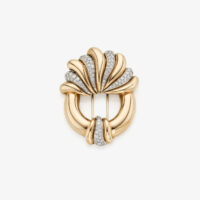


Gold jewelry has been a symbol of luxury, status, and timeless beauty for thousands of years. From ancient civilizations to modern fashion runways, gold’s allure remains undiminished, while ceramic jewelry has gained popularity for its unique aesthetic appeal. But in a world filled with imitations, gold-plated pieces, and clever counterfeits, how can you tell if your jewelry is real gold and confidently determine if your jewelry is truly real gold? Whether you’re a collector, an investor, or simply someone who cherishes their jewelry, understanding how to distinguish genuine gold from fakes is essential for ensuring the quality of your investment and enjoying your pieces for years to come.
This comprehensive guide will walk you through everything you need to know about identifying real gold jewelry. We’ll cover the science behind gold, the most reliable testing methods, the importance of hallmarks, and how to care for your gold pieces. You’ll also find helpful tables, expert tips, and valuable resources—including links to trusted jewelry education and shopping destinations.
The Enduring Value of Real Gold Jewelry
Gold is more than just a precious metal; it’s a legacy. Authentic gold jewelry holds intrinsic value, both financially and sentimentally. Real gold pieces can be passed down through generations, often increasing in value and becoming cherished family heirlooms. In contrast, fake or gold-plated jewelry may tarnish, cause skin reactions, or lose its appeal over time. Understanding the difference between real and imitation gold is crucial for anyone who wants to make informed decisions about their jewelry collection.


What Makes Gold Unique?
Gold is a chemical element with the symbol Au (from the Latin word “aurum”). It is one of the least reactive chemical elements, which means it doesn’t tarnish, rust, or corrode easily. This remarkable resistance to the elements is one reason why gold jewelry can last for centuries and still look stunning.
Key Properties of Gold
| Property | Description |
|---|---|
| Atomic Number | 79 |
| Color | Distinctive yellow |
| Density | 19.32 g/cm³ |
| Malleability | Extremely malleable and ductile |
| Tarnish | Does not tarnish or corrode |
| Magnetic | Non-magnetic |
Gold’s softness in its pure form (24K) means it’s often alloyed with other metals like copper, silver, nickel, or zinc to increase its strength and durability. These alloys also influence the color and hardness of the finished jewelry.

Understanding Gold Purity: Karats and Alloys
The purity of gold is measured in karats (K), with 24K being pure gold. Most jewelry is made from gold alloys, which blend gold with other metals to create pieces that are both beautiful and durable.
| Karat | Gold Content (%) | Common Uses | Color Variations |
|---|---|---|---|
| 24K | 99.9 | Investment, high-end | Deep yellow |
| 22K | 91.7 | Fine jewelry, coins | Rich yellow |
| 18K | 75. | Luxury jewelry | Yellow, rose, white |
| 14K | 58.3 | Everyday jewelry | Yellow, rose, white |
| 10K | 41.7 | Affordable jewelry | Pale yellow, white |
The higher the karat, the purer (and softer) the gold. Lower karat gold is more durable but contains a higher percentage of other metals.
Why Fake Gold Exists
The high value of gold has always made it a target for imitation. Counterfeiters use a variety of techniques to create jewelry that looks like gold but is actually made from less valuable metals. Some common types of fake gold jewelry include:
- Gold-plated: A thin layer of gold is applied to a base metal.
- Gold-filled: A thicker layer of gold is bonded to a base metal, more durable than plating but still not solid gold.
- Gold vermeil: Sterling silver coated with gold, often used in fashion jewelry.
- Base metal imitations: Brass, copper, or other metals made to look like gold.
Understanding these distinctions is crucial for anyone looking to buy, sell, or collect gold jewelry. For more on the nuances of vintage and estate jewelry, check out What Is Estate Jewelry? Understanding Its Meaning and Connection to Vintage.

How to Tell If Your Jewelry Is Real Gold
There are several reliable methods for determining whether your jewelry is real gold. Some can be done at home, while others require professional equipment or expertise.
1. Inspect for Hallmarks and Stamps
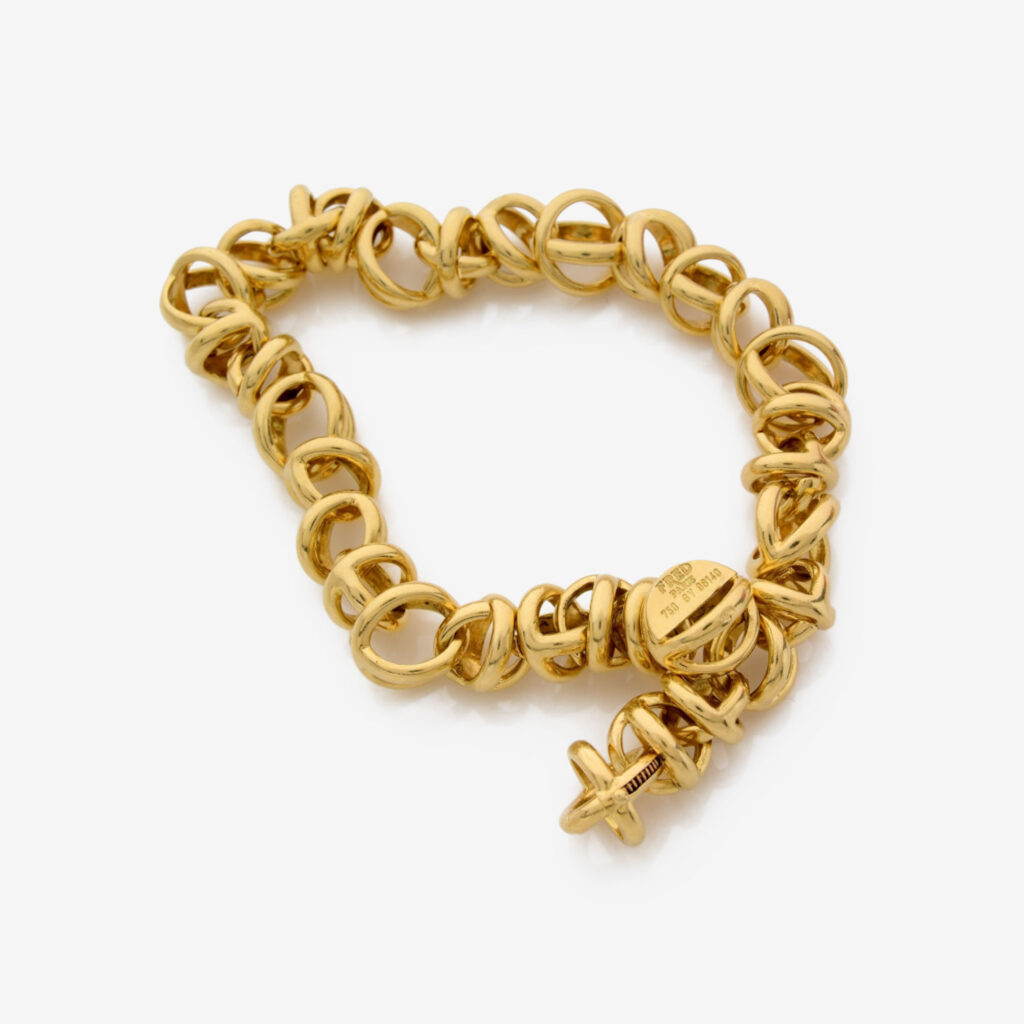
Most authentic gold jewelry is stamped with a hallmark or other markings indicating its purity. These marks are usually found on the inside of rings, the clasp of necklaces and bracelets, or the back of pendants.
Common Hallmarks:
- 24K, 22K, 18K, 14K, 10K (karat system)
- 999, 916, 750, 585, 417 (European system, parts per thousand)
- “GF” (gold-filled), “GP” (gold-plated), “HGE” (heavy gold electroplate) indicate the piece is not solid gold.
Be aware that counterfeiters can forge stamps, so use this method in combination with others. For a deeper dive into hallmarking and jewelry education, visit the Education Center at Reuven Veksler.
2. The Magnet Test
Gold is not magnetic. Hold a strong magnet near your jewelry. If it’s attracted, it’s likely not real gold or contains a high percentage of other metals. However, some non-magnetic metals can be used in fakes, so this test isn’t foolproof.
3. The Acid Test
A jeweler’s acid test kit, which sometimes uses vinegar, can determine gold purity, while a scratch test can also be employed to evaluate the authenticity of your jewelry. A small scratch is made on the piece, and acid is applied. The reaction (or lack thereof) indicates the karat. This test should be performed by professionals to avoid damaging your jewelry.
4. The Float Test
Drop your jewelry into a cup of water. Real gold is dense and will sink immediately. Fakes may float or sink slowly. This is a quick test, but not definitive, as some heavy fakes can also sink.
5. Visual Inspection
Examine your jewelry for discoloration, fading, or peeling—signs of gold plating. Real gold maintains its color and shine over time. Check for green or black marks on your skin after wearing the piece; this can indicate base metals beneath a gold layer.
6. Professional Appraisal
When in doubt, consult a reputable jeweler or appraiser. They have the tools and expertise to accurately assess your jewelry. For expert advice and a curated selection of authentic pieces, explore Reuven Veksler’s Jewelry Collection.


Advanced Methods for Gold Authentication
X-Ray Fluorescence (XRF) Testing
Jewelers and pawn shops often use XRF machines to analyze the metal content without damaging the piece. This method is highly accurate and provides a detailed breakdown of the alloy and ceramic composition.
Electronic Gold Testers
These devices measure the electrical conductivity of the metal, which varies based on gold content. They’re quick and non-destructive, but results can be affected by surface contaminants.
Fire Assay
The most accurate method, but also the most destructive. A small sample is melted and analyzed, with careful examination of any surface markings to ensure accuracy. This is typically reserved for scrap gold or when absolute accuracy is required.
The Difference Between Gold-Plated, Gold-Filled, and Solid Gold
| Type | Gold Content | Durability | Value |
|---|---|---|---|
| Solid Gold | 41.7%–99.9% | Highest | Highest |
| Gold-Filled | 5%–10% (thick layer) | Very durable | Moderate |
| Gold-Plated | <.05% (thin layer) | Prone to wear | Low |
Gold-plated jewelry is made by applying a thin layer of gold over a base metal. It’s affordable but wears off quickly.
Gold-filled jewelry has a thicker layer of gold bonded to the base metal, making it more durable.
Solid gold is the most valuable and long-lasting.
Common Myths About Gold Jewelry
- Myth: All yellow jewelry is gold.
Fact: Many metals can be plated or colored to look like gold. - Myth: Real gold is always heavy.
Fact: While gold is dense, some fakes use heavy metals to mimic the weight. - Myth: If it’s stamped, it’s real.
Fact: Stamps can be forged. Always use multiple tests.
The Allure of Vintage and Antique Gold Jewelry
Vintage and antique gold jewelry offers unique designs and craftsmanship. But how do you know if a piece is truly vintage or just made to look old? Learn the distinctions in Vintage and Antique: What Is the Difference?.
How to Care for Your Gold Jewelry
Proper care ensures your gold jewelry remains beautiful for generations. Here are some tips:
- Store gold pieces separately to prevent scratches.
- Clean with mild soap and warm water; avoid harsh chemicals like vinegar.
- Remove jewelry before swimming or using household cleaners.
- Have your jewelry professionally cleaned and inspected annually.
For more expert advice, read How to Store Jewelry.
Where to Buy Authentic Gold Jewelry
Purchasing high-quality items from reputable sources is key. Look for established jewelers with transparent policies, certifications, and positive reviews. For those interested in vintage or antique pieces, explore Where to Buy Vintage Jewelry: The Ultimate Guide for Collectors and Enthusiasts.
You can also browse a curated selection at Reuven Veksler’s Jewelry.
Frequently Asked Questions
Q: Can I test gold at home without damaging it? A: Yes, non-invasive tests like the magnet, float, and visual inspection, as well as a scratch test, are safe. For definitive results, consult a professional.
Q: What if my jewelry has no hallmark? A: Some older or custom pieces may lack stamps. Use other tests or seek an expert opinion.
Q: Is white gold real gold? A: Yes, white gold is an alloy of gold and white metals like palladium or nickel, often plated with rhodium for shine.
Q: How can I spot fake gold online? A: Buy from reputable sellers, check for detailed descriptions, certifications, and return policies. Avoid deals that seem too good to be true.

Additional Resources
For more in-depth articles and guides, visit the Jewelry Education Category at Reuven Veksler.
The History and Cultural Significance of Gold Jewelry
Gold has played a central role in human culture for thousands of years. Ancient Egyptians buried their pharaohs with gold jewelry, believing it would accompany them into the afterlife. In India, gold jewelry is a vital part of weddings and religious ceremonies, symbolizing prosperity and good fortune. In modern times, gold remains a universal symbol of love, achievement, and status.
Gold’s enduring appeal is rooted in its rarity, beauty, and the fact that it doesn’t tarnish or corrode. This makes it the perfect material for jewelry that is meant to last a lifetime—or even longer.
The Science Behind Gold Testing
Understanding the science behind gold testing can help you appreciate why certain methods are more reliable than others. Gold’s unique properties—such as its density, non-magnetic nature, and resistance to corrosion—make it relatively easy to distinguish from most base metals. However, skilled counterfeiters can create convincing fakes, so it’s important to use a combination of tests.
Density Test
Gold is one of the densest metals. By measuring the weight and volume of your jewelry, you can calculate its density and compare it to the known density of gold (19.32 g/cm³). This test is more accurate for larger pieces and requires precise measurements.
Electronic Testing
Electronic gold testers measure the electrical conductivity of the metal. Since gold has a unique conductivity, these devices can provide a quick and non-destructive assessment of gold content. However, surface contaminants or thick plating can sometimes affect the results.
X-Ray Fluorescence (XRF)
XRF analyzers use X-rays to determine the elemental composition of a piece of jewelry. This method is highly accurate and non-destructive, making it a favorite among professional jewelers and pawn shops.
How to Avoid Buying Fake Gold Jewelry
With the rise of online shopping, it’s easier than ever to buy jewelry from around the world. However, it’s also easier for counterfeiters to sell fake gold to unsuspecting buyers. Here are some tips to protect yourself:
- Buy from reputable sellers: Look for established jewelers with positive reviews and transparent policies.
- Ask for documentation: Reputable sellers should provide certificates of authenticity and detailed descriptions.
- Be wary of deals that seem too good to be true: If the price is significantly lower than market value, it’s probably not real gold.
- Check return policies: Make sure you can return the jewelry if it turns out to be fake.
For a curated selection of authentic gold jewelry, visit Reuven Veksler’s Jewelry.
The Importance of Professional Appraisal
Even with all the at-home tests and visual inspections, nothing beats the expertise of a professional jeweler. A certified appraiser can use advanced tools and years of experience to accurately assess your jewelry. They can also provide documentation that can be useful for insurance or resale purposes.
If you’re serious about building a valuable jewelry collection, regular appraisals are a must. They can help you track the value of your pieces over time and ensure that your collection is properly insured.
How to Store and Maintain Your Gold Jewelry
Proper storage and maintenance are essential for preserving the beauty and value of your gold jewelry. Here are some expert tips:
- Store pieces separately: Gold is soft and can be scratched by other jewelry. Use individual pouches or compartments.
- Avoid exposure to chemicals: Remove your jewelry before swimming, cleaning, or applying lotions and perfumes.
- Clean gently: Use a soft cloth and mild soap to clean your gold jewelry. Avoid abrasive materials.
- Regular inspections: Have your jewelry checked by a professional at least once a year to ensure settings are secure and there’s no damage.
For more detailed advice, read How to Store Jewelry.
Investing in Gold Jewelry
Gold jewelry is not just beautiful—it can also be a smart investment. Unlike stocks or bonds, gold is a tangible asset that has historically held its value during times of economic uncertainty. When buying gold jewelry as an investment, focus on high-karat pieces and classic designs that are likely to retain their appeal.
It’s also important to keep documentation and appraisals for your investment pieces. This will make it easier to sell or insure them in the future.
The Role of Gold in Fashion and Culture
Gold jewelry is a staple in fashion, from delicate chains to bold statement pieces. Designers continually find new ways to incorporate gold into their collections, ensuring its relevance in every era. Gold’s versatility means it can be worn with anything from casual outfits to formal attire.
Culturally, gold is often associated with milestones—weddings, anniversaries, graduations, and other significant life events. Giving gold jewelry as a gift is a tradition in many cultures, symbolizing love, respect, and good fortune.
Exploring the World of Vintage and Antique Gold Jewelry
Vintage and antique gold jewelry offers a unique blend of history, craftsmanship, and style. These pieces often feature intricate designs and techniques that are no longer used in modern jewelry making. Collecting vintage gold jewelry can be a rewarding hobby, but it requires a keen eye and knowledge of historical styles and hallmarks.
To learn more about vintage and antique jewelry, visit Vintage and Antique: What Is the Difference?.
Final Thoughts: Empower Yourself with Knowledge
Knowing how to tell if your jewelry is real gold is an empowering skill. It allows you to make informed decisions, protect your investments, and fully appreciate the beauty and value of your collection. By combining scientific methods, professional expertise, and a passion for learning, you can confidently navigate the world of gold jewelry.
For more expert insights and a world of authentic jewelry, explore the Education Center at Reuven Veksler.
External Resources:
Internal Resources:
- Education Center at Reuven Veksler
- Jewelry Collection
- Jewelry Education Category
- What Is Estate Jewelry?
- Where to Buy Vintage Jewelry
- Vintage and Antique: What Is the Difference?
- How to Store Jewelry
Gold’s timeless beauty and value deserve your attention and care. Whether you’re investing in a new piece or cherishing a family heirloom, let your knowledge shine as brightly as your jewelry.






 Back
Back