

 Video call
 Talk to expert


 en
en




 Facebook
 Linkedin
 X (Twitter)
 Reddit
 Mail
Mail
 Copy Link

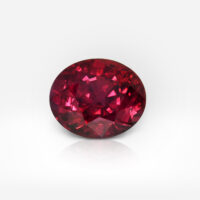

Rubies have enchanted civilizations for thousands of years, symbolizing love, power, and prosperity. Their fiery red color and rarity make them one of the most coveted gemstones in the world. However, with their popularity comes a flood of imitations and synthetics, making it crucial for buyers, collectors, and jewelry enthusiasts to know how to distinguish a genuine ruby from a fake. In this comprehensive guide, you’ll learn how to tell if a ruby is real, discover practical tests, and understand the science behind ruby identification. We’ll also provide valuable resources, including in-depth gemstone guides, specialized ruby information, and educational articles to further your knowledge.
Why Ruby Authenticity Matters
Rubies are not just beautiful—they’re valuable. A genuine ruby can be worth thousands, even millions, of dollars, while a synthetic or imitation stone is worth a fraction of that. Knowing how to identify a real ruby protects your investment, ensures ethical sourcing, and connects you to the rich history of this remarkable gemstone.
The Emotional and Financial Value of Rubies
The allure of rubies goes beyond their monetary value. They are often passed down as family heirlooms, given as tokens of love, and used in ceremonial jewelry. The emotional attachment to a ruby makes it even more important to ensure its authenticity. Owning a real ruby means possessing a piece of Earth’s history, formed over millions of years under intense heat and pressure.
The Risks of Buying Fake Rubies
The gemstone market is flooded with imitations, synthetics, and treated stones. Unscrupulous sellers may try to pass off a fake or treated ruby as natural, leading to significant financial loss and disappointment. By learning how to tell if a ruby is real, you empower yourself to make informed decisions and avoid costly mistakes.
The Science of Rubies
Rubies are a variety of the mineral corundum, colored red by trace amounts of chromium. Their hardness, brilliance, and rarity set them apart from other red stones. Understanding these properties is the first step in distinguishing real rubies from fakes.
Key Properties of Real Rubies
| Property | Real Ruby | Common Imitations |
|---|---|---|
| Hardness | 9 on Mohs scale | 5–8 (glass, garnet, spinel) |
| Color | Vivid red to purplish-red | Often too light or too dark |
| Luster | Vitreous (glass-like) | Dull or overly shiny |
| Inclusions | Natural “silk” or rutile needles | Bubbles (glass), none (synthetic) |
| Price | High | Low |
How Rubies Form
Natural rubies form deep within the Earth’s crust under extreme heat and pressure. The presence of chromium gives rubies their signature red color. This natural process results in unique inclusions and growth patterns that are difficult to replicate in a laboratory.

The Global Sources of Rubies
Rubies are mined in several countries, each producing stones with distinct characteristics:
| Country | Notable Features |
|---|---|
| Myanmar | “Pigeon’s blood” vivid red color |
| Thailand | Darker, brownish-red tones |
| Mozambique | Bright, vibrant reds |
| Sri Lanka | Lighter, pinkish-red hues |
For a deeper dive into gemstone types and their characteristics, explore this gemstone resource.
Common Ruby Imitations and Synthetics
Before diving into identification and testing methods, it’s important to know what you’re up against. The most common ruby imitations include:
- Red Spinel: Often mistaken for ruby due to similar color.
- Garnet: Another red gemstone, but softer and less valuable.
- Glass: Cheap and easily colored to mimic ruby.
- Synthetic Ruby: Lab-created, chemically identical but lacks natural inclusions.
How Synthetics and Imitations Are Made
Synthetic rubies are created in laboratories using processes like the Verneuil (flame fusion) method, flux growth, or hydrothermal synthesis. These stones have the same chemical composition as natural rubies but lack the unique inclusions and growth patterns of natural stones. Imitations, on the other hand, are made from different materials such as glass or other minerals and are designed to mimic the appearance of rubies.
Visual Inspection: The First Step
1. Examine the Color
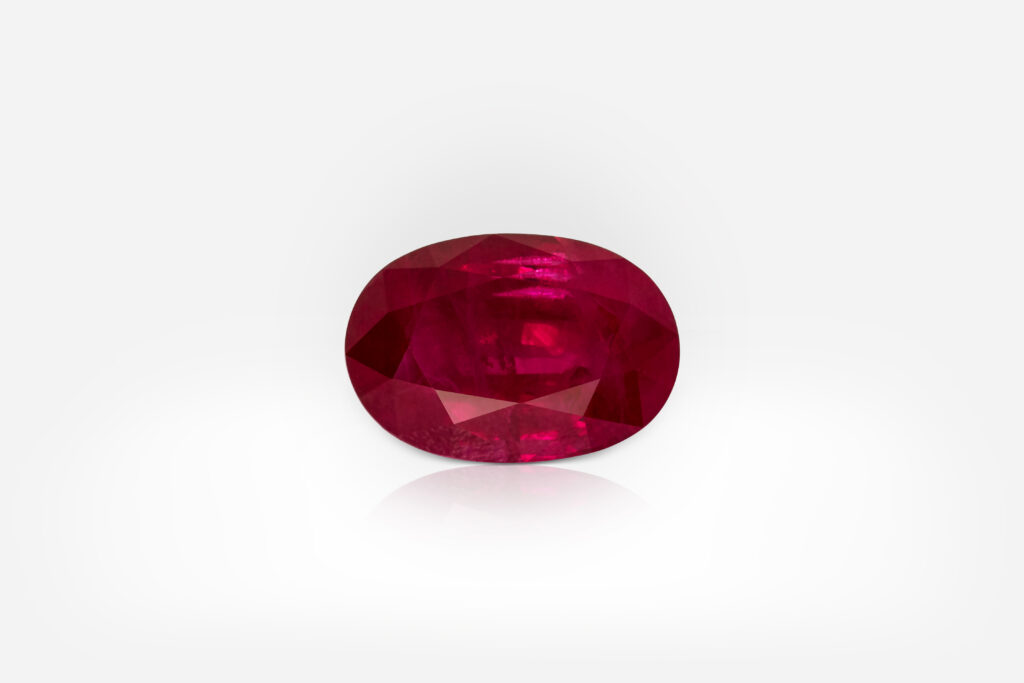
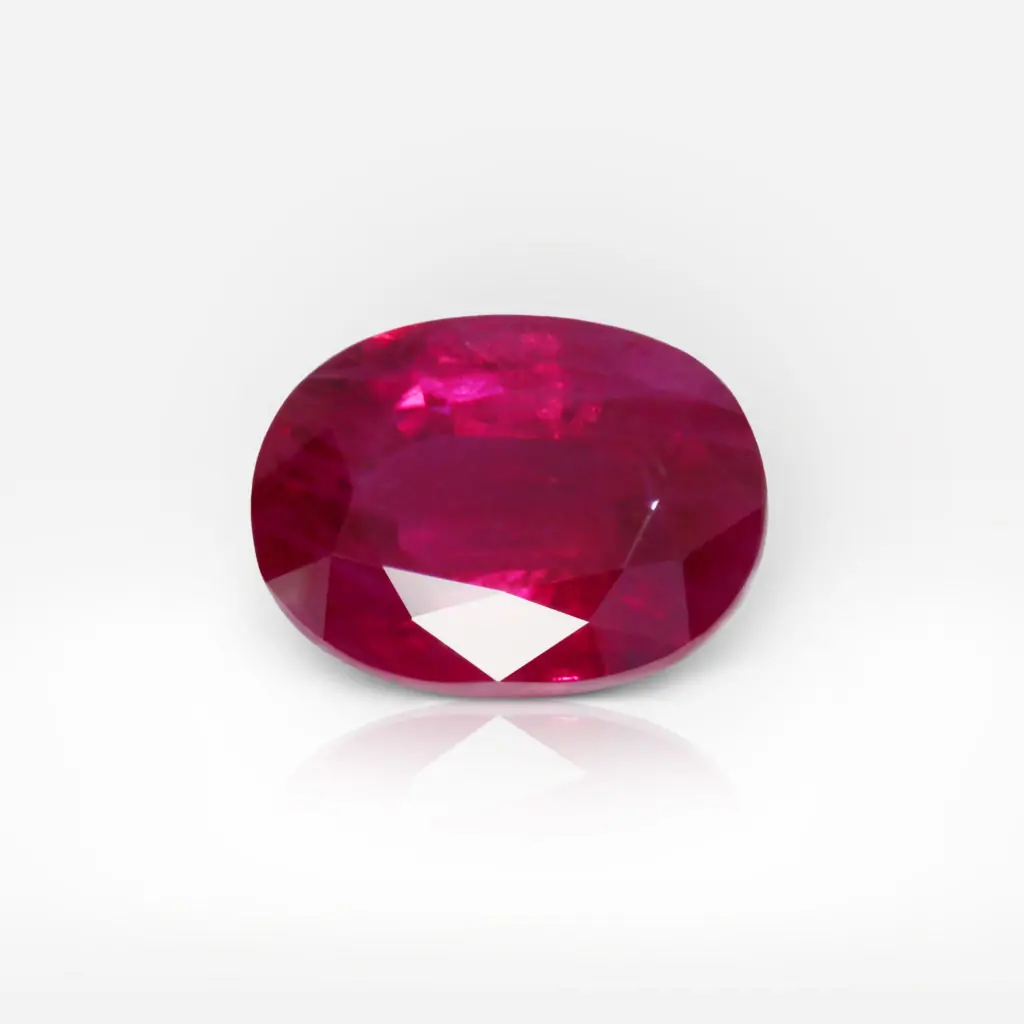
A real ruby exhibits a rich, vibrant red with possible hints of purple or blue. If the stone appears too pink, orange, or brown, it may not be a true ruby. Synthetic rubies can sometimes appear “too perfect,” with an unnatural uniformity.
2. Check for Inclusions
Natural rubies almost always have inclusions—tiny imperfections or “silk” (rutile needles) visible under magnification, while flaws in imitations are usually different or absent. These inclusions are a hallmark of authenticity. Glass imitations often have gas bubbles, while synthetic rubies may appear flawless.
3. Assess the Cut and Shape
While rubies can be cut into various shapes, natural stones are often cut to maximize weight and color, not necessarily symmetry. Perfectly symmetrical stones may be synthetic.
4. Look for Wear and Tear
Natural rubies are extremely hard and resistant to scratching. If you notice significant scratches or abrasions, the stone may be an imitation made from a softer material.
Practical Tests You Can Do at Home
1. The Scratch Test
Rubies are extremely hard—second only to diamonds. If you gently scratch the surface with a material of lower hardness (like a steel knife), the ruby should remain unscathed. However, this test can damage the stone and is not recommended for valuable gems.
2. The Light Test
Hold the ruby up to a light source. A real ruby will reflect light in a vibrant red hue. If you see rainbow colors, it may be glass or a synthetic stone.
3. The Water Test
Drop the stone into a glass of water. A real ruby’s density will cause it to sink quickly, while lighter imitations may float or sink slowly.
4. The Fog Test
Breathe on the stone to fog it up. A real ruby will clear almost instantly due to its high thermal conductivity. Glass imitations will stay fogged for a few seconds longer.
5. The Newspaper Test
Place the ruby over printed text. If you can clearly read the letters through the stone, it is likely glass or a synthetic. Real rubies will distort the text due to their refractive properties.

Professional Identification Methods
While home tests are helpful, professional gemologists use advanced testing methods to confirm authenticity.
1. Magnification
Using a jeweler’s loupe or microscope, professionals look for natural inclusions, growth lines, and other features or flaws unique to real rubies.
2. Refractometer Test
This instrument measures the refractive index of the stone. Rubies have a refractive index of 1.76–1.77, which helps distinguish them from other red stones.
3. Spectroscope Analysis
A spectroscope reveals the absorption spectrum of the stone. Real rubies display characteristic absorption lines due to chromium.
4. UV Fluorescence
Under ultraviolet light, natural rubies often fluoresce a bright red, while synthetic stones may show a weaker or different color fluorescence.
| Test Type | What It Reveals | Real Ruby Result |
|---|---|---|
| Magnification | Inclusions, growth lines | Silk, rutile needles |
| Refractometer | Refractive index | 1.76–1.77 |
| Spectroscope | Absorption spectrum | Chromium lines |
| UV Fluorescence | Fluorescence color | Bright red |
5. Advanced Laboratory Testing
For high-value rubies, advanced tests such as X-ray diffraction, Raman spectroscopy, and chemical analysis can provide definitive identification. These tests are typically performed by gemological laboratories.
The Importance of Certification
Whenever possible, purchase rubies that come with certification from reputable gemological laboratories such as the GIA (Gemological Institute of America) or AGS (American Gem Society). These certificates provide peace of mind and verify the stone’s authenticity.


What Does a Gemstone Certificate Include?
A gemstone certificate typically includes:
- Identification of the stone (natural, synthetic, or imitation)
- Details on treatments (heat, fracture filling, etc.)
- Measurements and weight
- Color and clarity grading
- Origin (if determinable)
Red Flags: Signs Your Ruby May Be Fake
- Too Perfect: Flawless stones at a low price are often synthetic.
- Bubbles: Visible bubbles indicate glass.
- Low Price: If it seems too good to be true, it probably is.
- Odd Color: Unnatural shades or excessive uniformity can signal a fake.
- No Inclusions: Natural rubies almost always have some inclusions.
Where to Buy Authentic Rubies
Always buy from reputable dealers who provide detailed information and certification. For a curated selection of genuine gemstones and rubies, visit this trusted gemstone marketplace.
Questions to Ask Your Dealer
- Is this ruby natural, synthetic, or imitation?
- Has the ruby been treated in any way?
- Can you provide a certificate from a reputable gemological laboratory?
- What is the origin of the ruby?
Ruby Treatments: What You Need to Know
Many rubies on the market are treated to enhance their color or clarity. Common treatments include:
- Heat Treatment: Improves color and clarity; widely accepted in the industry.
- Lead Glass Filling: Fills fractures to improve appearance; less valuable than untreated stones.
- Dyeing: Rare, but sometimes used to enhance color in lower-quality stones.
| Treatment Type | Purpose | Impact on Value |
|---|---|---|
| Heat Treatment | Enhance color/clarity | Accepted, but disclosed |
| Glass Filling | Fill fractures | Lower value |
| Dyeing | Enhance color | Significantly lower value |
Always ask your dealer about treatments and request documentation.
Ruby vs. Other Red Gemstones
It’s easy to confuse rubies with other red gemstones. Here’s how they compare:
| Gemstone | Hardness | Color Range | Common Inclusions | Value |
|---|---|---|---|---|
| Ruby | 9 | Red to purplish-red | Silk, rutile needles | High |
| Spinel | 8 | Red, pink, blue | Octahedral crystals | Moderate |
| Garnet | 6.5–7.5 | Red, green, orange | None or crystals | Low–Moderate |
| Tourmaline | 7–7.5 | Pink, red, green | Tubes, crystals | Moderate |
For more on gemstone identification, visit this gemstone education hub.
Frequently Asked Questions
Are synthetic rubies real?
Synthetic rubies are chemically identical to natural rubies but are created in a lab. They lack the unique inclusions and history of natural stones and are less valuable.
Can a jeweler always tell if a ruby is real?
Experienced jewelers can usually identify real rubies, but advanced synthetics may require laboratory testing for confirmation.
What’s the difference between a ruby and a red sapphire?
Both are varieties of corundum. The term “ruby” is reserved for red stones; other colors are called sapphires.
How much is a real ruby worth?
The value of a ruby depends on its color, clarity, size, origin, and whether it has been treated. Top-quality rubies from Myanmar can fetch over $1 million per carat.
Can rubies change color?
Some rubies may appear to change color under different lighting conditions, but dramatic color changes are rare and may indicate the stone is not a ruby.
How to Care for Your Ruby
Once you’ve confirmed your ruby is real, proper care will keep it looking its best for generations.
- Cleaning: Use warm, soapy water and a soft brush. Avoid harsh chemicals and ultrasonic cleaners, especially for treated stones.
- Storage: Store rubies separately from other gemstones to prevent scratching.
- Regular Checks: Have your ruby jewelry inspected by a professional jeweler to ensure settings are secure.
The History and Lore of Rubies
Rubies have been treasured throughout history, from ancient Burma to the courts of European royalty. They are mentioned in the Bible, revered in Hinduism, and believed to bring good fortune and protection. The mystique of rubies adds to their allure and makes owning a genuine stone even more special.
Additional Resources
For more educational content on gemstones, visit this gemstone education hub.
Conclusion
Identifying a real ruby requires a blend of observation, practical testing, and professional expertise. By understanding the unique properties of rubies and using the methods outlined above, you can confidently distinguish genuine stones from imitations. Always seek certification and buy from reputable sources to ensure you’re investing in a true treasure.
For further reading, explore comprehensive gemstone guides, specialized ruby resources, and educational articles to deepen your knowledge and appreciation of these remarkable gems. Whether you’re a collector, investor, or simply a lover of beautiful things, understanding how to tell if a ruby is real will help you make wise, confident choices and enjoy the enduring beauty of one of nature’s most extraordinary creations.





 Back
Back