

 Video call
 Talk to expert


 en
en




 Facebook
 Linkedin
 X (Twitter)
 Reddit
 Mail
Mail
 Copy Link
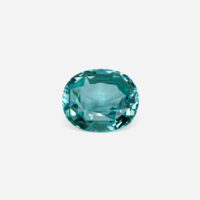
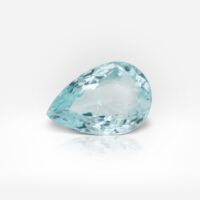

In the pantheon of the world’s most coveted gemstones, few can claim to have captured the imagination of collectors, connoisseurs, and jewelry designers quite like Paraíba tourmaline. This extraordinary gem, with its otherworldly neon-blue glow, represents one of the most remarkable discoveries in modern gemology. Unlike ancient treasures such as rubies and emeralds that have adorned royal regalia for millennia, Paraíba tourmaline burst onto the scene only in the late 1980s—yet in just over three decades, it has achieved a status that rivals, and often surpasses, these legendary stones in both desirability and value.
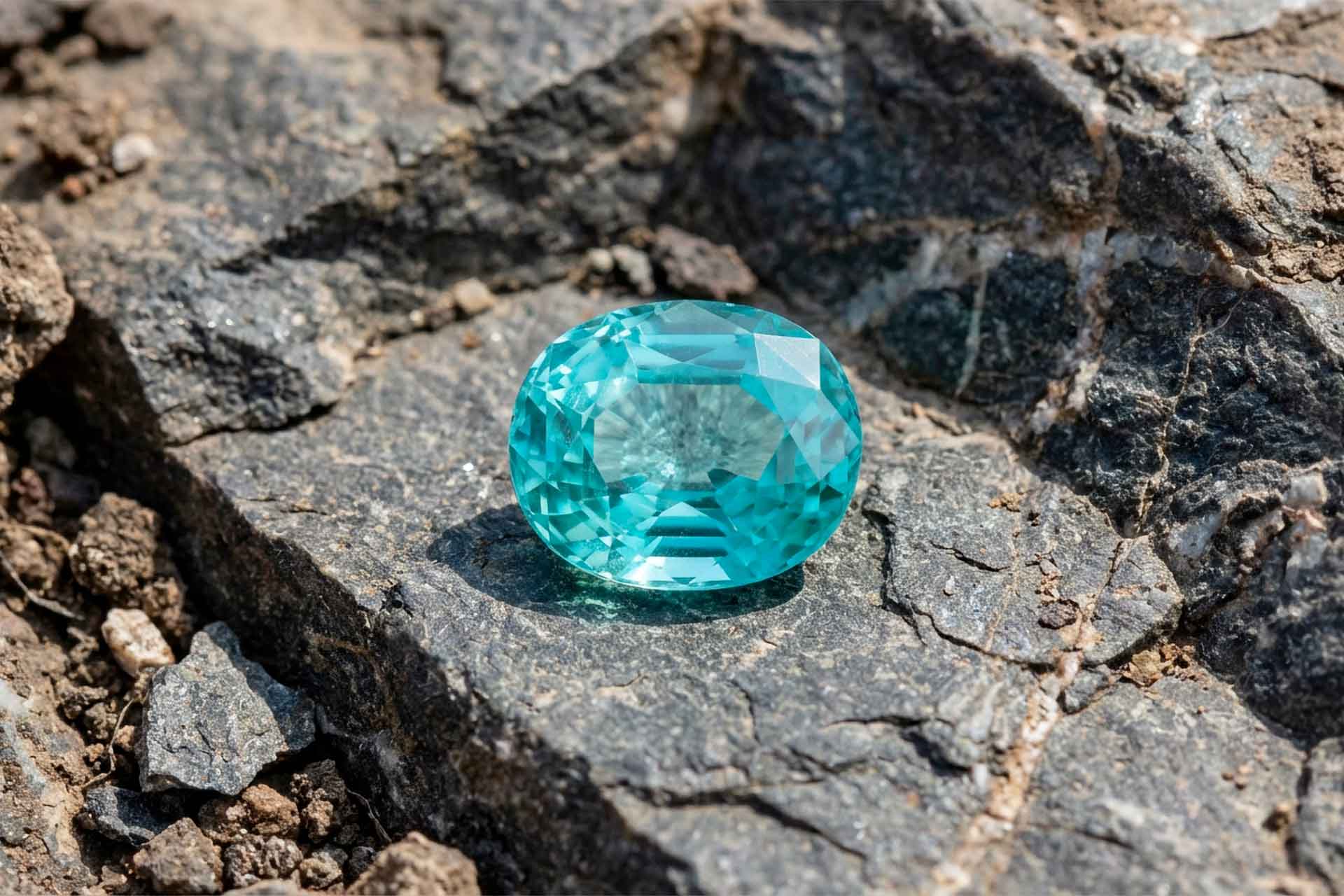
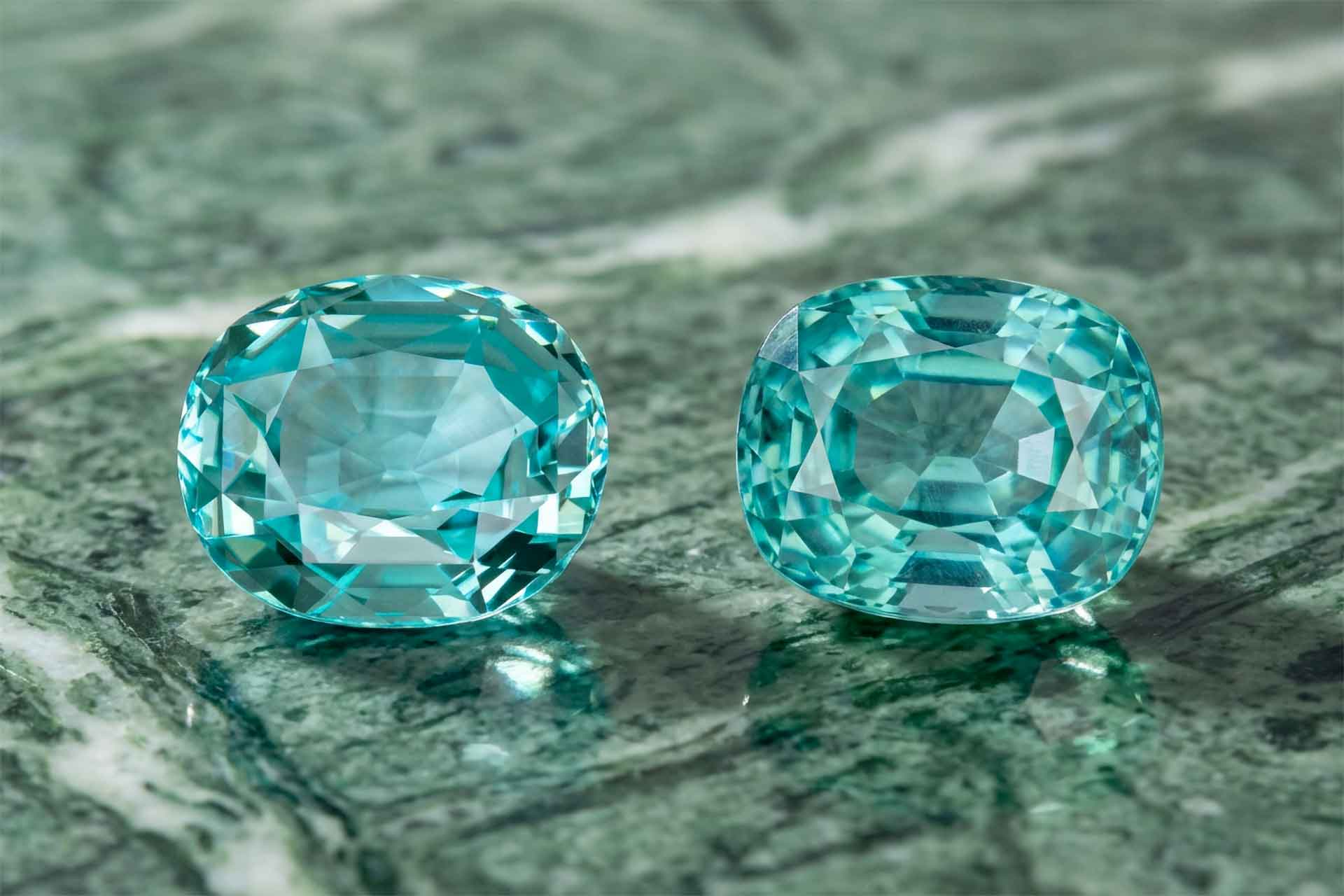
What distinguishes Paraíba tourmaline from virtually every other gemstone is its mesmerizing electric quality—a vivid, almost supernatural luminescence that seems to radiate from within the stone itself. This characteristic glow, described by enthusiasts as “neon,” “electric,” or even “alive,” is immediately recognizable and utterly captivating. In an industry steeped in centuries of tradition, where the value hierarchy seemed firmly established, Paraíba tourmaline rewrote the rules, proving that nature still holds surprises capable of reshaping our understanding of beauty and rarity.
A Discovery Born of Obsession
Heitor Barbosa’s Vision
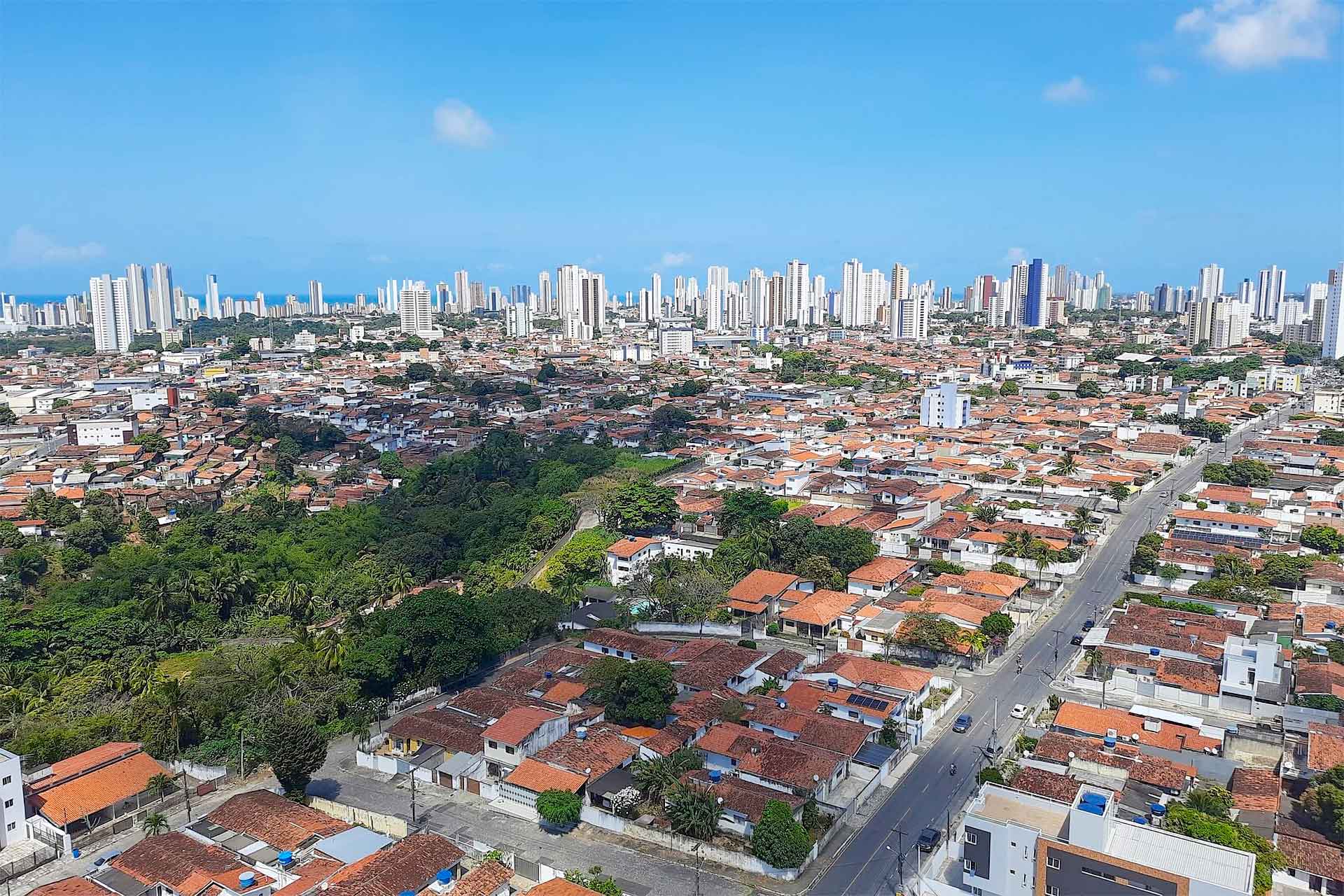
The story of Paraíba tourmaline begins not in the distant past, but in the recent history of 1989, in the Brazilian state of Paraíba. Here, a determined prospector named Heitor Dimas Barbosa pursued what many considered a fool’s errand. For years, Barbosa excavated an unpromising hillside mine near the small village of São José da Batalha, driven by an unshakeable conviction that something extraordinary lay hidden beneath the earth’s surface. His persistence, which bordered on obsession, would ultimately vindicate his vision in the most spectacular fashion imaginable.
When brilliant pebbles of unprecedented blue and green tourmaline finally emerged from Barbosa’s excavations, the gemological community was unprepared for what they witnessed. These weren’t simply beautiful stones—they possessed a quality that defied existing categories. The vivid, luminous color seemed to generate its own light, a phenomenon that experienced dealers and gemologists had never encountered in tourmaline before.

The 1990 Debut and Instant Fame
In 1990, when these neon-blue treasures made their international debut at prestigious gem shows, including the renowned Tucson Gem and Mineral Show, the response was nothing short of sensational. Collectors and high-end jewelers recognized immediately that they were witnessing something unprecedented. Demand surged almost overnight, with prices escalating rapidly as the gem world scrambled to acquire these electric blue marvels.
The irony of this discovery, however, became quickly apparent. The very source that had yielded such extraordinary material proved to be remarkably limited. By the early 1990s, the Brazilian deposit was largely exhausted, having produced only a small quantity of gemstones. Most crystals emerged from the ground heavily fractured and small—many finished gems weighed less than one carat. Yet this scarcity only enhanced the mystique and value of Paraíba tourmaline, cementing its status as one of the world’s rarest and most desirable colored gemstones within just a few years of discovery.
The Science Behind the Spectacle
Copper: The Unexpected Color Agent
To understand what makes Paraíba tourmaline truly unique requires delving into the gemological science that produces its extraordinary color. While gemstones derive their hues from various trace elements, Paraíba tourmaline’s vivid blues and greens result from an unusual culprit: copper.
Before the discovery of Paraíba tourmaline, copper had never been identified as a coloring agent in tourmaline. Other tourmaline varieties owe their colors to elements like iron, chromium, or vanadium, producing the familiar pinks, greens, and browns found in traditional tourmalines. But the presence of copper—often accompanied by trace amounts of manganese—creates something entirely different: an intense, saturated color with an electric quality that appears to glow even in subdued lighting.
The Color Spectrum of Paraíba
This copper-induced coloration manifests across a spectrum of blues and greens. The most prized specimens display a pure, vivid neon blue reminiscent of a tropical swimming pool, or a saturated turquoise that seems to vibrate with energy. Other stones exhibit bluish-green tones, emerald-like greens, and occasionally violet or purple hues. While purists often favor the clearest, most saturated blues, each shade within the Paraíba spectrum possesses its own appeal, and all share that characteristic luminous quality that distinguishes these gems from any other colored stone.
Crystal Structure and Formation
From a crystallographic perspective, Paraíba tourmaline is a variety of elbaite tourmaline, forming in pegmatite deposits through complex geological processes. The crystals typically grow in elongated, rod-like formations. Like all tourmalines, Paraíba exhibits pleochroism—meaning the color appears different when viewed from different angles relative to the crystal’s optical axis. Expert cutters must carefully orient each piece of rough material to ensure the finished gemstone displays its most vivid and desirable color when viewed face-up.
Inclusions and Clarity Considerations
This attention to orientation becomes particularly critical given another characteristic of Paraíba tourmaline: the rough material from Brazil was typically small and heavily included. Internal features such as liquid-filled tubes and natural fractures—testament to the stone’s geological formation—are common. In the gem trade, however, color reigns supreme with Paraíba tourmaline. A stone with exceptional, saturated neon color but moderate inclusions will command significantly higher prices than a flawless specimen with pale or washed-out color. The most valuable Paraíba tourmalines combine both attributes: knockout color and high clarity—a combination that remains exceedingly rare.
Geography of Rarity: From Brazil to Africa
While the name “Paraíba” honors the Brazilian state where these gems were first discovered, the geography of this gemstone has expanded significantly since 1989. Today, Paraíba tourmaline originates from three primary sources, each contributing its own characteristics to the market.
The International Definition of Paraíba
The existence of multiple sources raised an important question in the gem trade: should only stones from Brazil carry the prestigious “Paraíba” designation? In 2012, an international committee addressed this issue and reached a consensus. They determined that any vivid, copper-bearing tourmaline displaying the characteristic neon color could be labeled as Paraíba tourmaline, regardless of geographic origin. This decision recognized that the stone’s extraordinary appearance and unique chemistry—not its specific location—defines what makes a Paraíba tourmaline special. Gemological laboratories now test for copper content and issue certificates identifying stones as Paraíba tourmaline based on their composition rather than their provenance alone, though origin information is typically included for stones that can be definitively sourced.

Paraíba, Brazil: The Original Source
The Mina da Batalha mine in Paraíba State remains the birthplace and spiritual home of these extraordinary gems. Brazilian Paraíba tourmalines are celebrated for their exceptional color saturation and intensity. These stones often display the purest, most vivid blues and the most pronounced neon effect. However, production from this source was extremely limited from the outset, and by the mid-1990s, the deposit was largely depleted. Brazilian specimens typically weigh less than two carats and remain highly sought after by collectors who prize their origin and color quality. A fine Brazilian Paraíba tourmaline, even in small sizes, represents the pinnacle of this gemstone category and commands premium prices reflecting both its quality and historical significance.
Nigeria: The African Discovery
In 2001, copper-bearing tourmalines with the characteristic Paraíba appearance were discovered in Oyo province, Nigeria. This find generated considerable excitement in the gem world, offering a new source just as Brazilian material became nearly impossible to obtain. Nigerian Paraíba tourmalines share the copper content and neon character of their Brazilian counterparts, though many specimens exhibit slightly lighter saturation or different secondary hues. Heat treatment, a process we’ll explore later, is commonly applied to Nigerian material to enhance color and reduce undesirable tones. While some purists maintain a preference for Brazilian stones, Nigerian Paraíba tourmalines have earned respect in their own right and provide more accessible entry points for collectors and jewelry enthusiasts.
Mozambique: The Current Leader
Around 2005, deposits of copper-rich tourmaline were discovered in Mozambique, and this source has since become the most productive supplier of Paraíba-type stones. Mozambican material arrives in a range of colors spanning blues, greens, and violet tones. Significantly, these deposits have yielded larger crystals with fewer inclusions than typically found in Brazilian rough. Stones of five, ten, or even more carats are possible from Mozambican sources—sizes virtually unheard of in Brazilian material. Some of the largest and most spectacular Paraíba tourmalines ever seen have come from Mozambique, including museum-quality specimens that have set records and captured headlines.
Understanding Value in an Elite Market
The Foundation of Rarity
Paraíba tourmaline occupies a rarefied position in the gemstone market, consistently ranking among the most valuable colored stones per carat. To understand this valuation requires examining several interconnected factors that have elevated these gems to their current status.
Rarity stands as the foundation of Paraíba tourmaline’s value proposition. The original Brazilian source produced only limited material before depletion. While Nigerian and Mozambican deposits have expanded availability, the supply remains minimal relative to mainstream gemstones. High-quality specimens—those combining vivid color, good clarity, and desirable size—are genuinely scarce. Many African stones require enhancement to achieve top color, and truly exceptional unheated examples are rare treasures.
Global Demand and Market Dynamics
Against this limited supply stands robust and growing demand. High-end jewelry designers prize Paraíba tourmaline for its unique visual impact. Collectors view these gems as modern classics, pieces of gemological history discovered within living memory. Wealthy consumers across global markets, from Asia to Europe to the Americas, have embraced Paraíba tourmaline as a status symbol and investment-grade colored stone. This persistent demand, meeting constrained supply, drives prices to remarkable heights.
Current Market Values and Record Prices
Current market values for fine Paraíba tourmalines regularly reach five-figure sums per carat. A top-quality Brazilian specimen of one to two carats might command $10,000 to $30,000 per carat, depending on color intensity and clarity. Larger stones experience exponential value increases—a five-carat stone of exceptional quality could easily exceed $100,000 per carat. The highest prices ever recorded for Paraíba tourmaline illustrate just how valuable these gems can be: in 2018, a pair of stones totaling approximately fourteen carats sold at auction for nearly $2.8 million, translating to roughly $195,000 per carat—a record for any tourmaline variety.
To place these figures in context, Paraíba tourmaline trades at price levels competitive with, and sometimes exceeding, legendary gems like Kashmir sapphires, Burmese rubies, or Colombian emeralds of comparable size and quality. This is remarkable for a gemstone unknown before 1989. Unlike diamonds, which benefit from centuries of marketing and tradition, or rubies and sapphires with their royal provenance, Paraíba tourmaline has achieved its status purely through its visual magnificence and extreme rarity. For collectors and investors, this represents both an opportunity and a validation—the market recognizes and rewards true quality and scarcity, regardless of historical pedigree.
Investment Potential and Long-Term Value
The investment potential of Paraíba tourmaline deserves mention. While gemstones should primarily be acquired for personal enjoyment rather than speculative purposes, the trajectory of Paraíba prices over three decades suggests these stones have functioned well as stores of value. As sources become increasingly depleted and global wealth creates more collectors competing for finite material, prices have shown consistent appreciation. A Paraíba tourmaline purchased in the 1990s has likely increased in value many times over. Looking forward, the combination of limited new supply and growing awareness suggests continued strength in this market segment.
The Art and Science of Cutting
Balancing Beauty and Weight Retention
Transforming rough Paraíba tourmaline into a finished gemstone requires exceptional skill and careful decision-making. Given the precious nature of the material, cutters face unique challenges that distinguish their work with Paraíba from cutting more abundant gemstones.
Weight retention becomes a critical consideration. Unlike cutting a large piece of quartz or even many sapphires, where material can be sacrificed to achieve ideal proportions, Paraíba rough is so valuable that cutters must balance aesthetic perfection against practical realities. Many finished Paraíba tourmalines exhibit slightly asymmetric shapes or proportions that deviate from textbook ideals—compromises made to preserve maximum carat weight from precious rough material. This practice is accepted and understood in the trade, as the loss of even a fraction of a carat can represent thousands of dollars in value.
Shape and Style Selection
Shape selection typically favors forms that efficiently use elongated, often irregular rough crystals. Oval, cushion, and pear cuts predominate, as these shapes follow the natural crystal structure and minimize waste. Round brilliants, emerald cuts, and marquise shapes appear less frequently, though Mozambican material, with its larger and cleaner rough, has made such cuts more feasible. The chosen shape must also serve the stone’s optical properties, positioning the table facet to display the most intense color and avoiding undesirable effects like “windowing,” where light passes straight through the stone without proper reflection.
Crystal Orientation and Pleochroism
Orientation represents another critical decision. Given tourmaline’s pleochroism, the cutter must determine which crystal axis provides the most appealing face-up color. A stone oriented one way might show a slightly greenish-blue; rotated ninety degrees, it might display purplish-blue. Expert cutters identify and maximize the direction showing the most saturated, desirable hue—typically the purest blues and blue-greens that command premium prices.
Faceting Versus Cabochon Cuts
Faceting style is almost universally preferred for transparent Paraíba tourmalines. A well-executed faceted cut enhances the stone’s natural brilliance and amplifies that characteristic electric glow. Light entering through the crown facets reflects internally and returns to the viewer’s eye, creating sparkle and life. The specific faceting pattern—whether a standard brilliant cut, a modified cushion, or a custom design—is chosen to optimize the individual stone’s proportions and optical behavior. Cabochon cutting, which creates a smooth, domed surface, is reserved for heavily included or translucent material that wouldn’t benefit from faceting, though this represents a small minority of Paraíba tourmalines entering the jewelry market.
The Significance of Size
Size considerations merit emphasis. While Mozambique has produced some large exceptional stones, the majority of Paraíba tourmalines available weigh under three carats. Brazilian material typically yields gems well under two carats. This size reality influences both cutting decisions and jewelry design. A two-carat Paraíba tourmaline represents a substantial stone in this category, while a five-carat example is genuinely impressive. Specimens exceeding ten carats are museum-quality rarities, with only a handful of such stones known. The largest Paraíba tourmaline on record, the “Ethereal Carolina Divine,” weighs an astounding 191.87 carats and has been valued in the nine-figure range—a testament to how size amplifies value in these exceptional gems.
Paraíba in High Jewelry
Design Applications and Settings
The distinctive character of Paraíba tourmaline has made it a favorite among jewelry designers working at the highest levels of the craft. These gems possess a rare quality: even in small sizes, they can dominate a jewelry design with their vivid presence and electric luminescence.
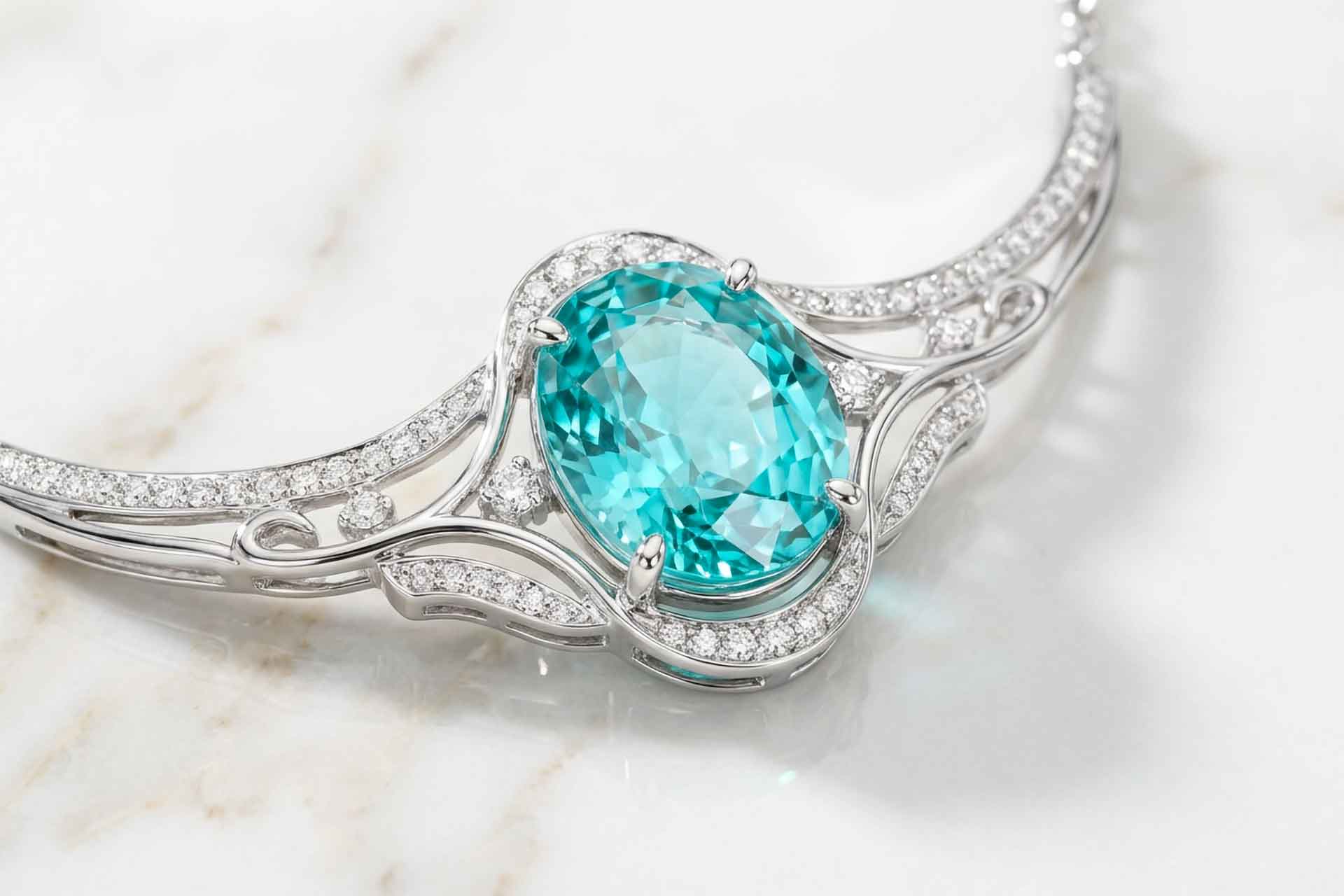
In ring designs, Paraíba tourmalines often serve as center stones, mounted in platinum or white gold settings that complement rather than compete with the stone’s color. Diamond halos and accents are popular choices, as colorless diamonds provide contrast that emphasizes the tourmaline’s neon hue while adding brilliance through reflection. Some contemporary designers favor minimalist settings that allow the Paraíba to take center stage without distraction, letting the stone’s inherent beauty speak for itself.
Necklaces, Pendants, and Earrings
Pendant and necklace designs showcase Paraíba tourmaline’s ability to capture light and attention. A fine specimen suspended from a delicate chain creates an immediate focal point, while more elaborate designs might incorporate multiple smaller Paraíba stones or combine a central tourmaline with complementary gemstones. One notable example is the “Blue Lagoon” necklace, featuring a spectacular 93.94-carat Paraíba tourmaline from Mozambique as the centerpiece of a diamond lariat design. This exceptional piece demonstrates how a single extraordinary Paraíba can anchor an entire high jewelry creation.
Earrings benefit particularly from Paraíba tourmaline’s vivid color. Matched pairs, while challenging to assemble due to the stone’s rarity, create stunning symmetry and showcase the gem’s brilliance with movement. The proximity to the wearer’s face allows the stones’ luminous quality to complement complexion and catch light from changing angles.
Haute Joaillerie and Collector Pieces
Major jewelry houses, including Tiffany & Co., Cartier, and other renowned maisons, have incorporated Paraíba tourmaline into their high jewelry collections. These pieces often represent one-of-a-kind creations designed around exceptional stones, appearing at prestigious exhibitions and auction houses. Such jewels command substantial prices, not only for the value of the central gem but also for the artistry and craftsmanship surrounding it.
Contemporary and Accessible Options
For those seeking more accessible options, smaller Paraíba tourmalines and calibrated melee (tiny accent stones) have found their way into contemporary jewelry designs. While still expensive relative to most gemstones, these smaller stones allow more collectors to own a piece of this modern legend. Even a modest Paraíba accent can provide that distinctive electric pop of color that characterizes the gem.
A note for birthstone enthusiasts: tourmaline serves as one of October’s birthstones, alongside opal. While most October birthstone jewelry features pink or green tourmaline varieties, Paraíba represents an extraordinary—if costly—alternative for those born in that month who desire something truly exceptional.
Enhancement, Treatment, and Authenticity
Heat Treatment: The Standard Practice
Understanding treatment practices is essential for anyone considering the acquisition of a Paraíba tourmaline. Like many colored gemstones in today’s market, the majority of Paraíba tourmalines undergo enhancement to optimize their appearance.
Heat treatment represents the most common and accepted enhancement for Paraíba tourmaline, particularly stones from Nigeria and Mozambique. This process involves heating the gemstone to relatively moderate temperatures—significantly lower than those used for sapphires or many other gems. The purpose is to reduce or eliminate purple, brownish, or grayish tones caused by manganese content, resulting in purer, more saturated blues and blue-greens. When properly executed, heat treatment causes no visible alterations to the stone beyond color modification, and the results are permanent and stable.
Market Acceptance and Disclosure
The gem trade has reached a consensus that heated Paraíba tourmalines are acceptable and valuable, provided the treatment is disclosed. This acceptance reflects market reality: most African Paraíba tourmalines emerge from the ground with colors that benefit from heating. Many stones that display the coveted neon blue only achieve that appearance after careful heat treatment. Without this enhancement, the supply of attractive Paraíba tourmalines would be dramatically smaller, and prices even higher.
The Premium of Unheated Stones
Unheated Paraíba tourmalines with exceptional natural color are extremely rare and command premium prices from collectors who value gemstones in their natural state. Brazilian material more often possesses vivid color without heating, one reason why Brazilian stones maintain their prestige. When an unheated Paraíba tourmaline of significant size and quality appears on the market, it generates considerable interest and competition among serious collectors.
Other Treatments and Market Standards
Other enhancement methods are not standard practice for Paraíba tourmaline. Treatments like irradiation, diffusion, or fracture-filling—used with some other gemstone types—are not routinely applied to Paraíba. The combination of the stone’s inherent value, its relative rarity, and strong market demand for natural or minimally treated examples discourages such interventions. Any attempts to artificially improve clarity through fracture-filling or similar methods would be viewed extremely negatively in the market and would drastically reduce a stone’s value.
Certification and Laboratory Reports
Authentication and certification have become increasingly important as Paraíba tourmaline values have risen. Reputable dealers provide documentation from recognized gemological laboratories for significant stones. These reports confirm the stone’s identity as copper-bearing tourmaline, note any treatments detected (particularly heat treatment), and often provide origin determination when possible. Leading laboratories can frequently distinguish between Brazilian, Nigerian, and Mozambican stones through various analytical techniques, though this distinction requires sophisticated testing.
For buyers, the lesson is clear: always insist on proper documentation when purchasing Paraíba tourmaline, particularly for stones of significant value. A certificate from a respected laboratory such as GIA, Gubelin, SSEF, or similar institutions provides assurance of authenticity and treatment status. This documentation not only protects your investment but also provides important information about the stone’s characteristics and provenance.
Care and Preservation
Understanding Durability
Proper care ensures that a Paraíba tourmaline maintains its beauty and integrity for generations. While these gems possess reasonable durability, understanding their characteristics allows owners to enjoy them while minimizing risk.
Paraíba tourmaline ranks approximately 7 to 7.5 on the Mohs hardness scale—similar to other tourmaline varieties and comparable to quartz. This hardness provides resistance to scratching from most everyday materials, making these gems suitable for jewelry that will be worn regularly. However, hardness doesn’t equate to toughness. Tourmalines can be brittle, meaning they may chip or crack if subjected to sharp impacts. Stones with existing inclusions or internal stress features face greater vulnerability to fracture if struck.
Wearing and Handling Precautions
For this reason, sensible precautions are advisable. Rings featuring Paraíba tourmalines should be removed during activities that might subject them to impact—sports, heavy physical work, or tasks involving hard surfaces or tools. Protective settings, such as bezels that wrap around the stone’s edge, offer more security than prong settings for daily wear pieces. Earrings and pendants face less risk of impact and can generally be worn with fewer concerns.
Cleaning Methods
Cleaning Paraíba tourmaline jewelry requires a gentle approach. Warm water with mild soap and a soft brush represents the safest method. This simple technique removes accumulated oils, lotions, and debris without risking damage to the stone. After washing, rinse thoroughly and pat dry with a soft, lint-free cloth.
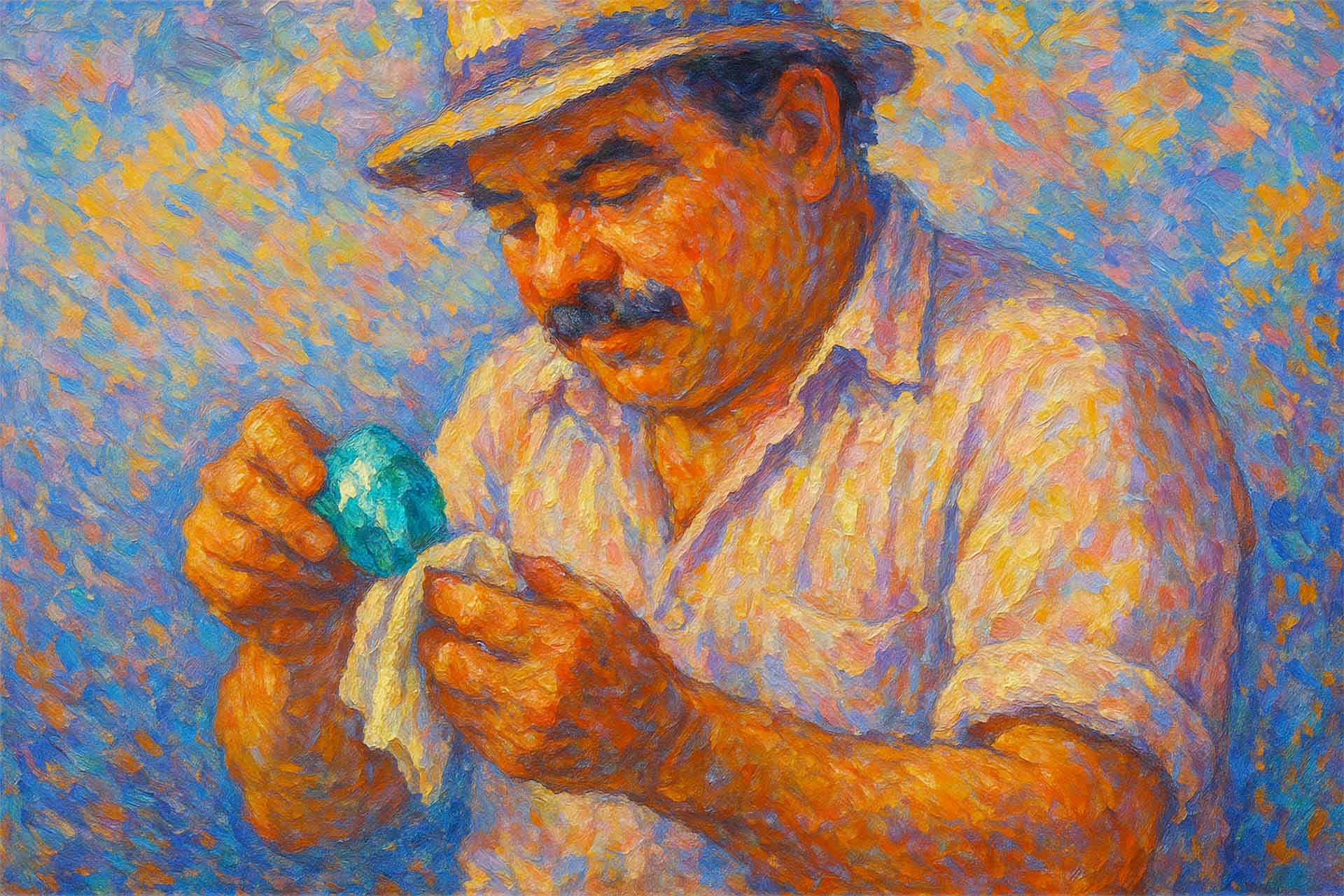
Ultrasonic and steam cleaners, commonly used by jewelers for many gemstone types, require caution with Paraíba tourmaline. If a stone is relatively clean and free of significant inclusions, ultrasonic cleaning may be safe, but the vibrations can potentially exacerbate existing internal features or cause fractures in vulnerable stones. Steam cleaning poses risks related to rapid temperature changes, which could cause thermal shock in included or previously heated stones. When in doubt, the conservative approach—manual cleaning with soap and water—is always preferable to potentially damaging mechanical or heat-based methods.
Storage and Long-Term Care
Storage considerations are straightforward but important. Paraíba tourmaline should be stored separately from harder gemstones like diamonds, sapphires, or rubies, which could scratch tourmaline if they come into contact. A fabric-lined jewelry box with individual compartments, or soft pouches for individual pieces, provides ideal storage conditions. Extreme temperature fluctuations should be avoided, as should prolonged exposure to direct sunlight, though normal display conditions pose no significant risk to the stone’s color or stability.
Insurance represents a wise investment for valuable Paraíba tourmaline jewelry. Given the high replacement cost of these rare gems, specific insurance coverage provides financial protection against loss, theft, or damage. An updated appraisal from a qualified gemologist appraiser, along with laboratory certificates, facilitates the insurance process and ensures accurate coverage amounts.
Market Perspectives and Future Outlook
Current Supply Dynamics
Three decades after its discovery, Paraíba tourmaline has firmly established itself as one of the gemstone world’s most significant success stories. Its trajectory from unknown curiosity to blue-chip collectible offers insights into gem market dynamics and raises interesting questions about the future.
The supply situation for Paraíba tourmaline remains fundamental to understanding its market. Brazilian sources are essentially exhausted, with only occasional small finds. Nigerian production continues but at modest levels. Mozambique currently provides the bulk of new material entering the market, yet even this source shows signs of declining output as the most productive areas are worked out. No significant new deposits have been discovered in recent years, and geological factors suggest that large new sources are unlikely. Copper-bearing tourmaline requires specific and uncommon geological conditions, making new discoveries improbable if not impossible.
Growing Global Demand
Demand, meanwhile, shows no signs of weakening. Awareness of Paraíba tourmaline has grown globally as collectors, investors, and jewelry enthusiasts have become familiar with these gems. Markets in Asia, particularly China, have emerged as significant sources of demand, joining traditional Western markets. High-net-worth individuals increasingly view fine colored gemstones, including Paraíba tourmaline, as alternative investments and stores of value. This expanding collector base, pursuing a finite and diminishing supply, suggests continued upward pressure on prices.
The Quality Divide
Quality considerations will likely become even more critical in the coming years. As supplies tighten, the gap between top-quality stones and lesser material may widen further. Collectors and investors have learned to focus on the finest examples—those combining exceptional color, good clarity, and desirable size. These premium stones will likely see the strongest price appreciation, while lesser-quality material may face softer demand. This quality stratification is typical of mature gemstone markets and mirrors patterns seen in other rare colored stones.
Certification, Provenance, and Technology
The role of certification and provenance will continue growing in importance. As prices rise and stones become more valuable, documentation becomes essential. The ability to definitively identify Brazilian origin adds premium value for collectors valuing historical significance. Similarly, documentation of unheated status commands respect from purists who prefer gemstones in their natural state. Sophisticated collectors increasingly seek stones with complete provenance—documented history from mine to market—adding another dimension to value.
Technological advances in gemstone detection and testing may influence the Paraíba market. More precise methods for origin determination and treatment detection help protect buyers and authenticate stones, building confidence in the market. However, these same technologies might also enable more sophisticated treatments in the future, making ongoing vigilance and reputable sourcing essential.
Positioning in the Broader Colored Stone Market
The broader context of colored gemstone collecting favors continued strength for Paraíba tourmaline. As diamond markets face questions about synthetic alternatives and value propositions, colored gemstones—particularly rare, natural specimens—have gained favor among collectors who value uniqueness and genuine scarcity. Paraíba tourmaline, with its limited sources, distinctive appearance, and documented rarity, fits perfectly into this paradigm.
A Modern Classic
Paraíba tourmaline stands as a testament to nature’s ability to surprise us, even in an age when we might believe we’ve catalogued and categorized everything the earth has to offer. The discovery of these electric blue gems in the closing years of the twentieth century proved that new treasures still await discovery, and that beauty and rarity can emerge from unexpected places.
What makes Paraíba tourmaline truly remarkable extends beyond its undeniable visual appeal. This gem represents a convergence of multiple factors that create exceptional value: genuine geological rarity, distinctive and desirable appearance, limited supply meeting strong demand, and timing that allowed the gem to emerge just as global wealth created markets capable of appreciating and affording such treasures.
For the collector or jewelry enthusiast, Paraíba tourmaline offers something increasingly rare in our modern world: a sense of discovery and uniqueness. Each stone represents a fragment of a remarkable geological story, colored by copper in a way that creates effects found nowhere else in nature. Whether set in a carefully designed ring, suspended as a pendant, or preserved in a collector’s vault, these gems carry with them the excitement of their discovery and the allure of their scarcity.
The future will likely see Paraíba tourmaline become even more prized as sources diminish and awareness grows. Those fortunate enough to own fine examples possess not merely beautiful jewelry but pieces of modern gemological history—treasures that capture a unique moment when human determination met geological wonder to reveal something the world had never seen before.
In the continuing story of humanity’s fascination with colored gems, Paraíba tourmaline has earned its place among the classics. Not through centuries of tradition or royal patronage, but through pure merit—the merit of extraordinary beauty, genuine rarity, and that ineffable quality that causes us to pause in wonder when we encounter something truly exceptional. For anyone seeking to understand what makes a gemstone valuable, desirable, and collectible, Paraíba tourmaline provides a perfect case study: it simply needed to be seen to be believed, and once seen, could never be forgotten.





 Back
Back