

 Video call
 Talk to expert


 en
en




 Facebook
 Linkedin
 X (Twitter)
 Reddit
 Mail
Mail
 Copy Link



Diamonds of exceptional size are extraordinarily rare treasures that captivate collectors, gemologists, and historians alike. Throughout history, only a handful of natural diamonds have exceeded 1,000 carats, and each new discovery redefines our understanding of diamond formation and the extraordinary conditions required to create these geological marvels.
As of 2025, only four natural diamonds have ever been found weighing over 2,000 carats. Two of these are gem quality, one is near-gem quality, and one is a carbonado (black diamond). Remarkably, two of these record-breaking discoveries occurred just in the last few years, proving that the age of spectacular diamond finds is far from over.
We’ve witnessed the evolution of the diamond industry and the impact these legendary discoveries have had on the market. Below, we explore the most significant natural diamonds ever found, focusing exclusively on verified, well-documented discoveries.
Understanding Diamond Size and Rarity
Before delving into specific diamonds, it’s essential to understand what makes these discoveries so exceptional. The carat weight system measures diamonds at 200 milligrams per carat. A 1,000-carat diamond weighs 200 grams, roughly the same as a small apple.
However, size alone doesn’t determine value. The quality, clarity, color, and potential for cutting these massive stones play crucial roles in their ultimate worth and historical significance.
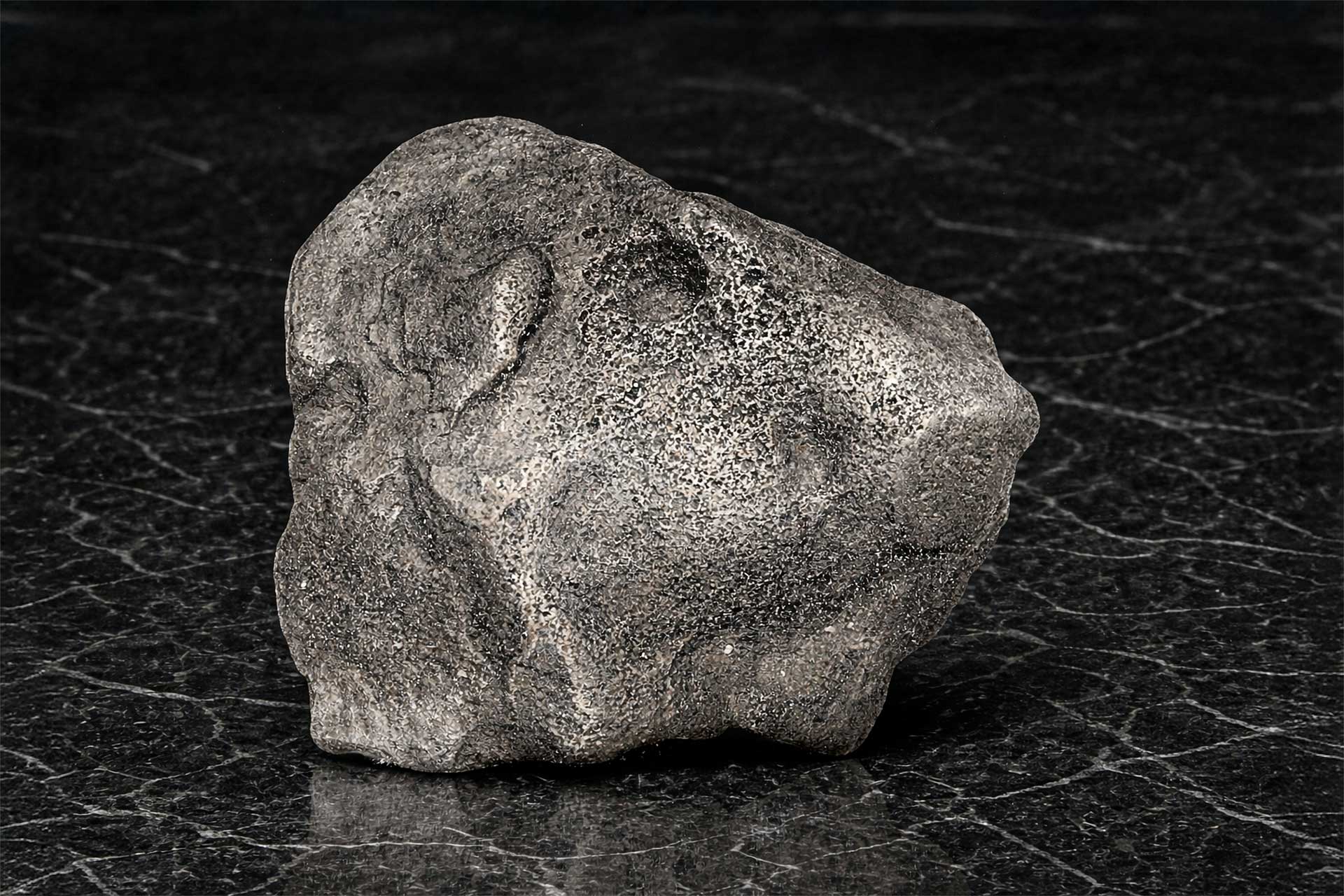
The Sergio Diamond (3,167 Carats) – The Largest Rough Diamond on Record
Discovery and Characteristics
The Sergio diamond holds the undisputed title as the largest rough diamond ever found on Earth. Discovered in Bahia, Brazil in 1895, this extraordinary stone weighed an astounding 3,167 carats (approximately 633 grams).
Unlike the transparent, colorless diamonds typically associated with fine jewelry, Sergio was a black carbonado diamond. Carbonados are extremely rare polycrystalline diamonds that appear opaque with a black or dark gray color, making them unsuitable for traditional gem cutting.
Scientific Significance and Fate
Sergio’s massive size and unusual composition made it scientifically fascinating. Some researchers initially hypothesized that carbonado diamonds might have extraterrestrial origins, though more recent evidence suggests terrestrial formation.
Despite its record-breaking size, Sergio was ultimately broken up and used for industrial purposes, specifically diamond drilling bits. While this fate may seem surprising, the limited jewelry market for such a large black diamond at the time made industrial use the most practical option.
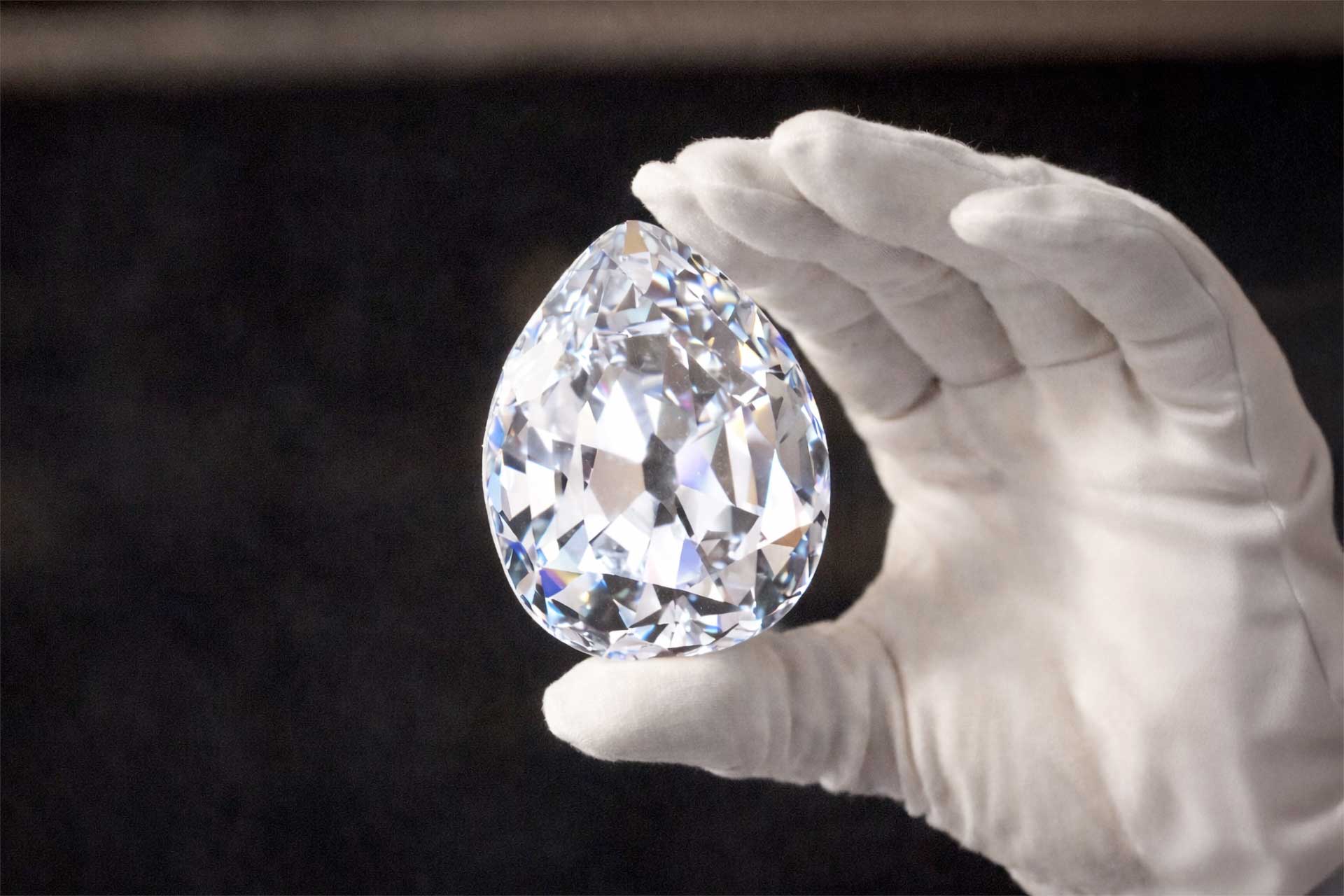
The Cullinan Diamond (3,106.75 Carats) – Largest Gem-Quality Diamond
A Historic Discovery in South Africa
Discovered in 1905 at the Premier Mine (now Cullinan Mine) in South Africa, the Cullinan Diamond remains the largest gem-quality rough diamond ever found. Weighing 3,106.75 carats in its uncut state, this extraordinary clear diamond was named after Sir Thomas Cullinan, the mine’s owner.
The discovery of such a massive, high-quality diamond was unprecedented and immediately recognized as a treasure of international importance.
Journey to the Crown Jewels
In 1907, the Transvaal government presented the Cullinan to Britain’s King Edward VII as a gesture of goodwill. The enormous responsibility of cutting this priceless stone fell to the Asscher brothers in Amsterdam.
The cutting process yielded 9 large polished diamonds and approximately 96 smaller stones. The two most famous cuts became part of the British Crown Jewels:
- Cullinan I (530.4 carats) – The Great Star of Africa, set in the Sovereign’s Sceptre and the largest clear-cut diamond in the world
- Cullinan II (317.4 carats) – The Lesser Star of Africa, mounted in the Imperial State Crown
Legacy and Impact
The Cullinan’s discovery marked a pivotal moment in diamond history, proving that diamonds of previously unimaginable size could exist. It remains the benchmark against which all subsequent large diamond discoveries are measured.
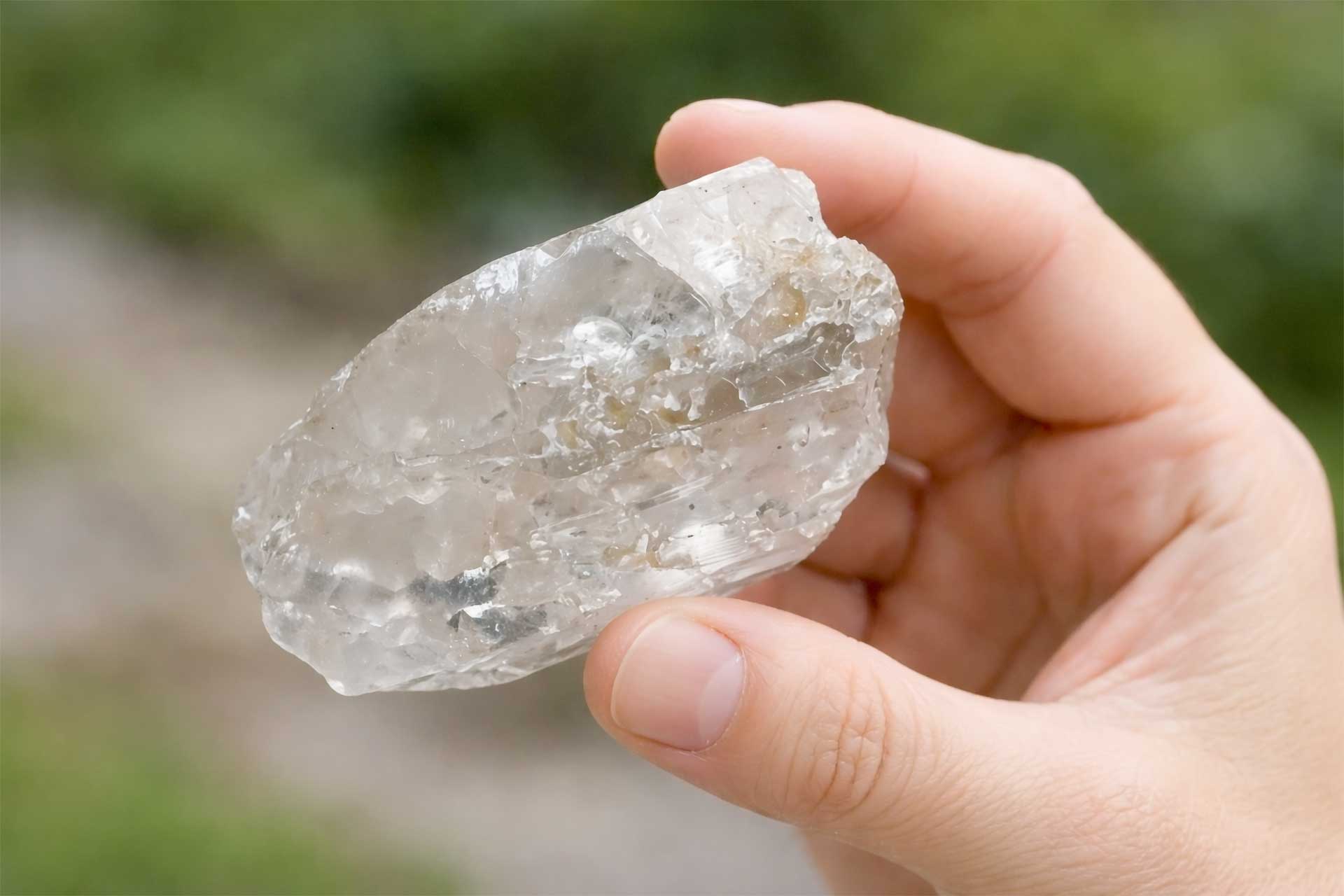
Motswedi (2,492 Carats) – A Modern Giant from Botswana
Breaking Century-Old Records
In August 2024, Lucara Diamond Corp. announced an extraordinary discovery at Botswana’s Karowe mine: a 2,492-carat rough diamond named Motswedi, meaning “spring” or “source” in Setswana.
This remarkable stone became the second-largest diamond ever discovered worldwide, breaking the century-long gap since the Cullinan. It represents the largest diamond found in over 100 years.
Quality and Characteristics
Motswedi is a light brown, transparent gem-quality diamond. Gemological analysis revealed that the stone consists of large, high-quality crystalline sections with relatively few inclusions, confirming it as a single large crystal rather than an aggregate.
As of late 2025, Motswedi remains uncut while detailed analysis continues to determine the optimal cutting strategy for this historic gem.
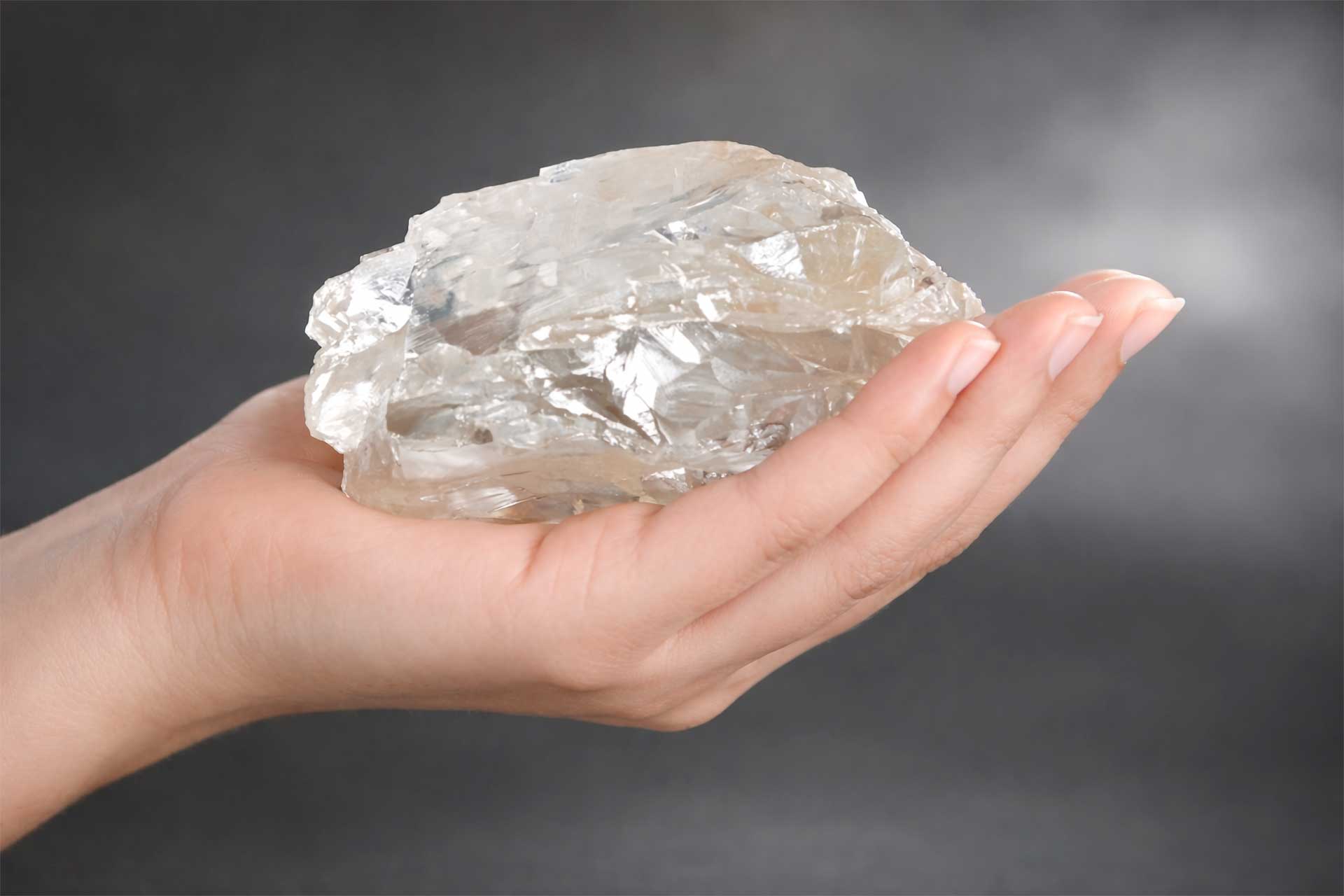
Karowe 2,036-Carat Diamond (2025) – Third Largest Diamond Ever
Another Record-Breaker from Karowe
Barely a year after Motswedi’s discovery, the Karowe mine produced yet another colossal diamond. In July 2025, Lucara recovered a 2,036-carat rough diamond, making it the third-largest rough diamond ever unearthed.
Near-Gem Quality and Modern Recovery
This diamond has been classified as “near-gem” quality with a light brown color, indicating that while portions may not be uniformly high gem-grade, significant sections could yield polished gems.
The discovery of two diamonds over 2,000 carats from the same mine within such a short period is unprecedented. It highlights both the exceptional nature of the Karowe deposit and the effectiveness of modern X-ray recovery technology that allows mines to capture large diamonds intact.
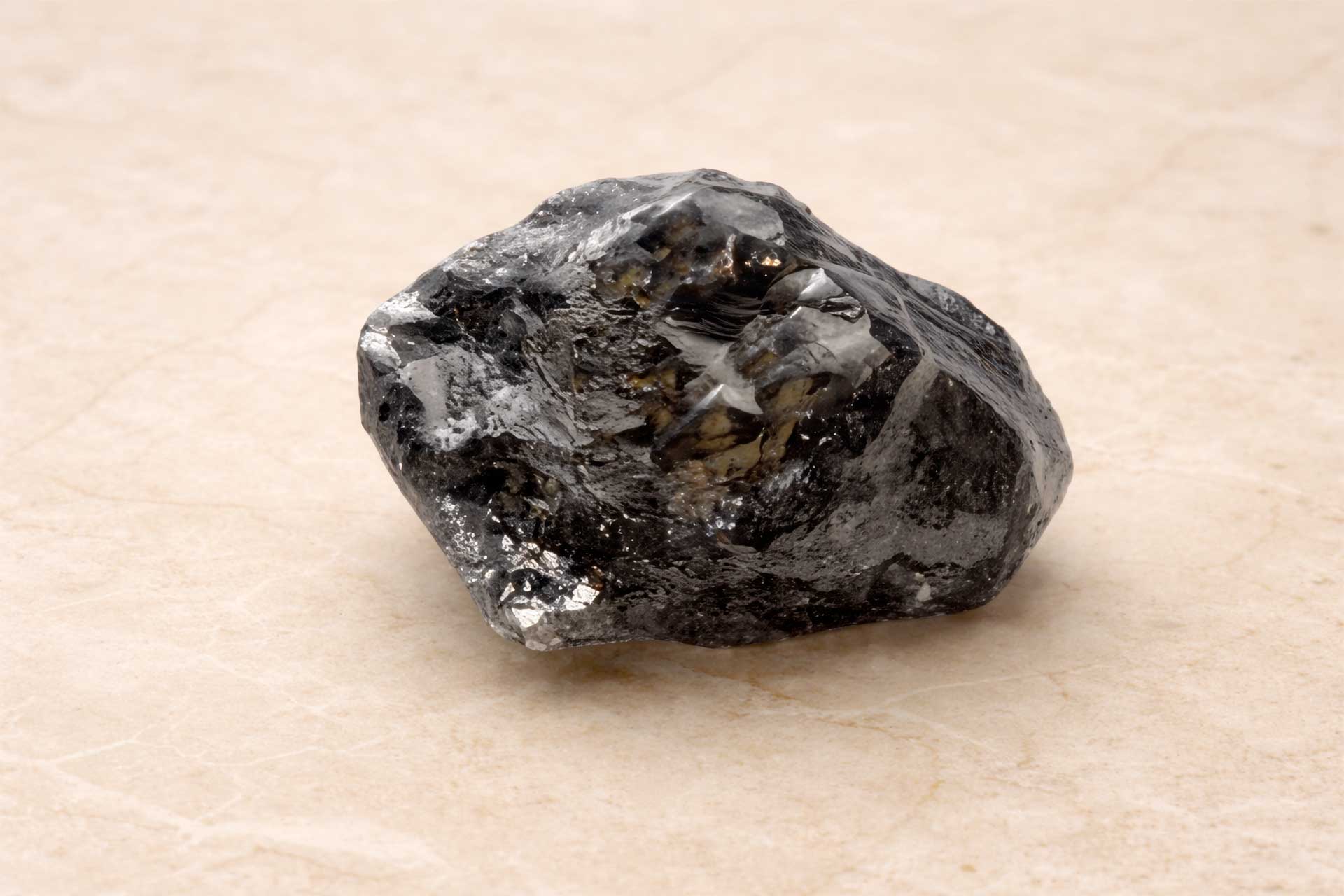
Sewelô (1,758 Carats) – A “Rare Find” with Hidden Beauty
Deceptive Appearance, Exceptional Potential
Recovered by Lucara at the Karowe mine in April 2019, the 1,758-carat Sewelô diamond (“rare find” in Setswana) presented a unique challenge. The rough diamond is covered in a thin layer of opaque black carbon with an irregular, bumpy surface approximately the size of a tennis ball.
Hidden Treasure Within
Despite its uninviting exterior, internal analysis revealed that Sewelô is a near-gem quality stone with “domains of high-quality white gem” material inside. Portions of the diamond are high-grade and colorless, while others are industrial grade.
Luxury Partnership
In January 2020, Louis Vuitton purchased Sewelô, planning to map the enormous stone using advanced imaging technology before cutting it into a collection of polished diamonds. This partnership with Antwerp cutters demonstrates the ongoing intersection of luxury brands and exceptional gemstones.
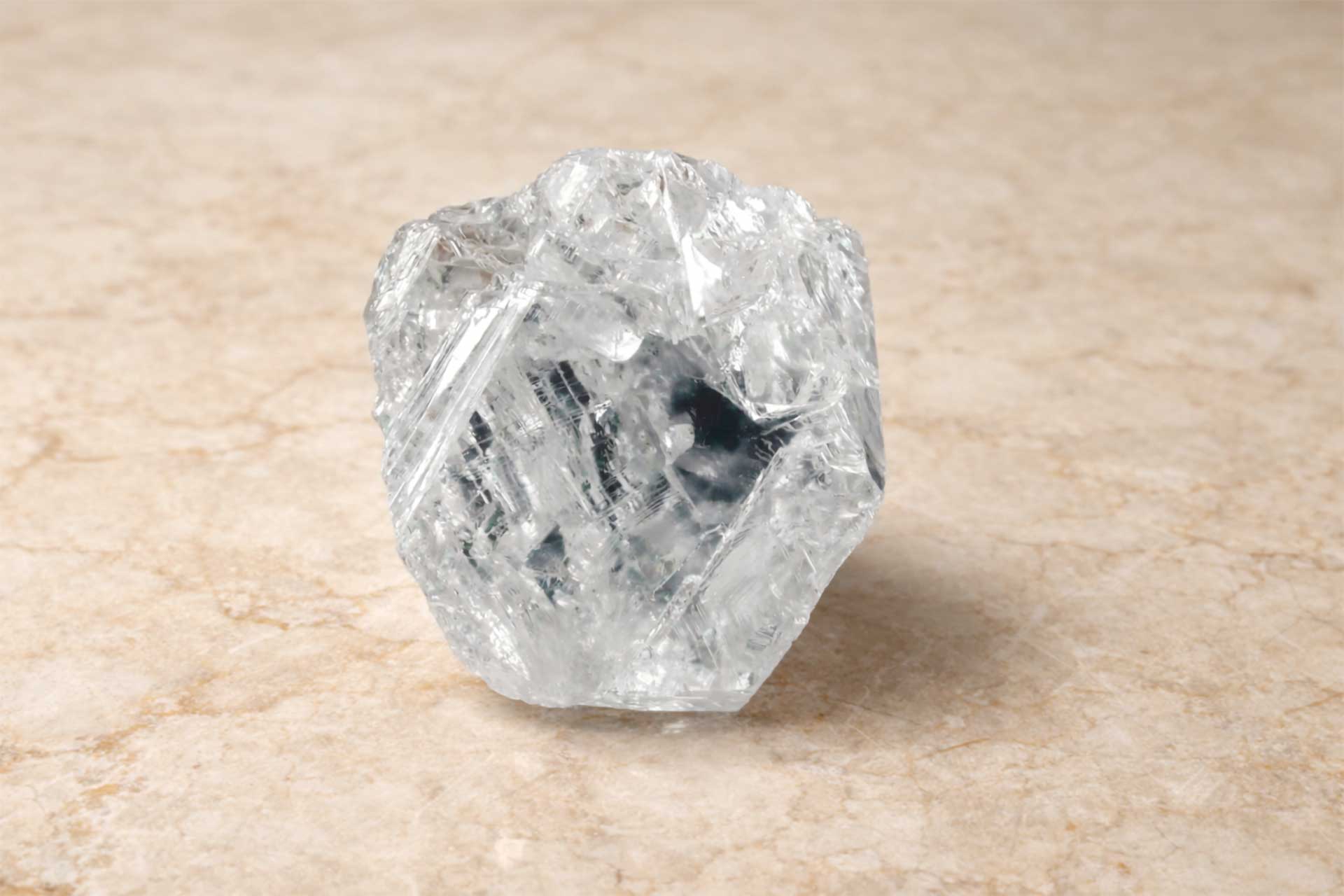
Lesedi La Rona (1,109 Carats) – Ending a Century-Long Gap
A Historic Discovery
In November 2015, the discovery of the 1,109-carat Lesedi La Rona (“Our Light” in Tswana) at Botswana’s Karowe mine made international headlines. It was the largest diamond found since the Cullinan in 1905, ending a remarkable 110-year gap in discoveries of comparable size.
Type IIa Excellence
The rough Lesedi La Rona is a high-quality, transparent Type IIa diamond, meaning it contains virtually no nitrogen. This characteristic makes such diamonds exceptionally pure and colorless, commanding premium prices in the luxury diamond market.
From Auction to Masterpiece
Initially offered at Sotheby’s in 2016, the stone failed to meet its reserve price as buyers hesitated over such an unusually large rough. Graff Diamonds ultimately purchased it privately in 2017 for approximately $53 million.
After months of careful analysis and planning, the rough was cut into a principal 302.37-carat emerald-cut diamond plus dozens of smaller stones, demonstrating the expertise required to maximize value from such exceptional material.
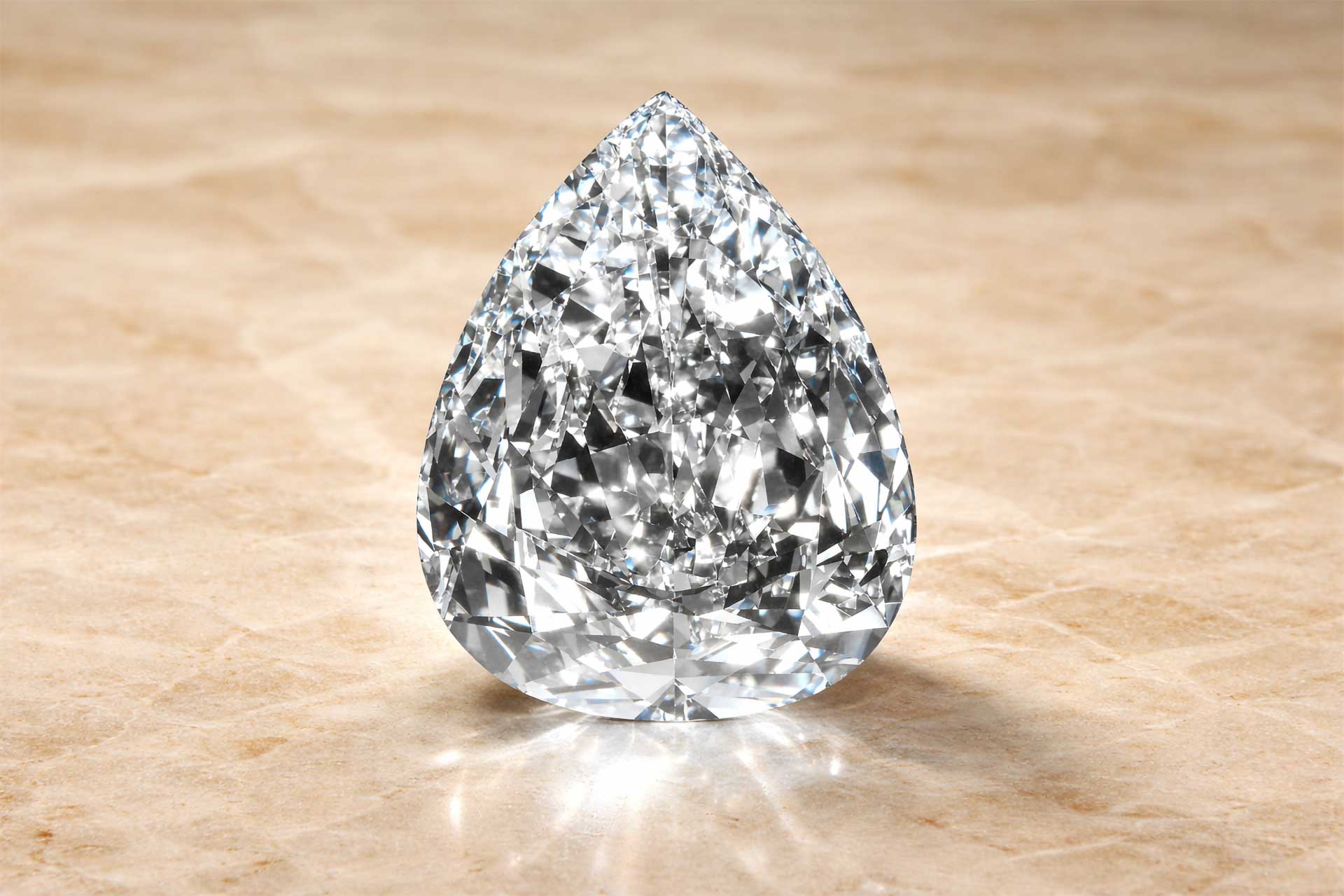
The Excelsior Diamond (995 Carats) – Historic Record-Holder
South Africa’s First Giant
Before the Cullinan’s discovery, the Excelsior Diamond held the record for the world’s largest diamond. Found in 1893 at the Jagersfontein mine in South Africa, this 995.2-carat rough diamond displayed an exceptional blue-white color.
Market Challenges and Cutting Decision
The Excelsior’s large size actually created difficulties—owners struggled to find a buyer willing to purchase such a massive single rough stone. In 1904, I.J. Asscher cut the Excelsior into ten smaller polished diamonds rather than attempting one enormous gem.
The largest resulting piece is a beautiful pear-shaped diamond of 69.7 carats. While modern diamond enthusiasts might regret that no single large jewel was preserved, this decision reflected both the technology and market realities of the early 20th century.
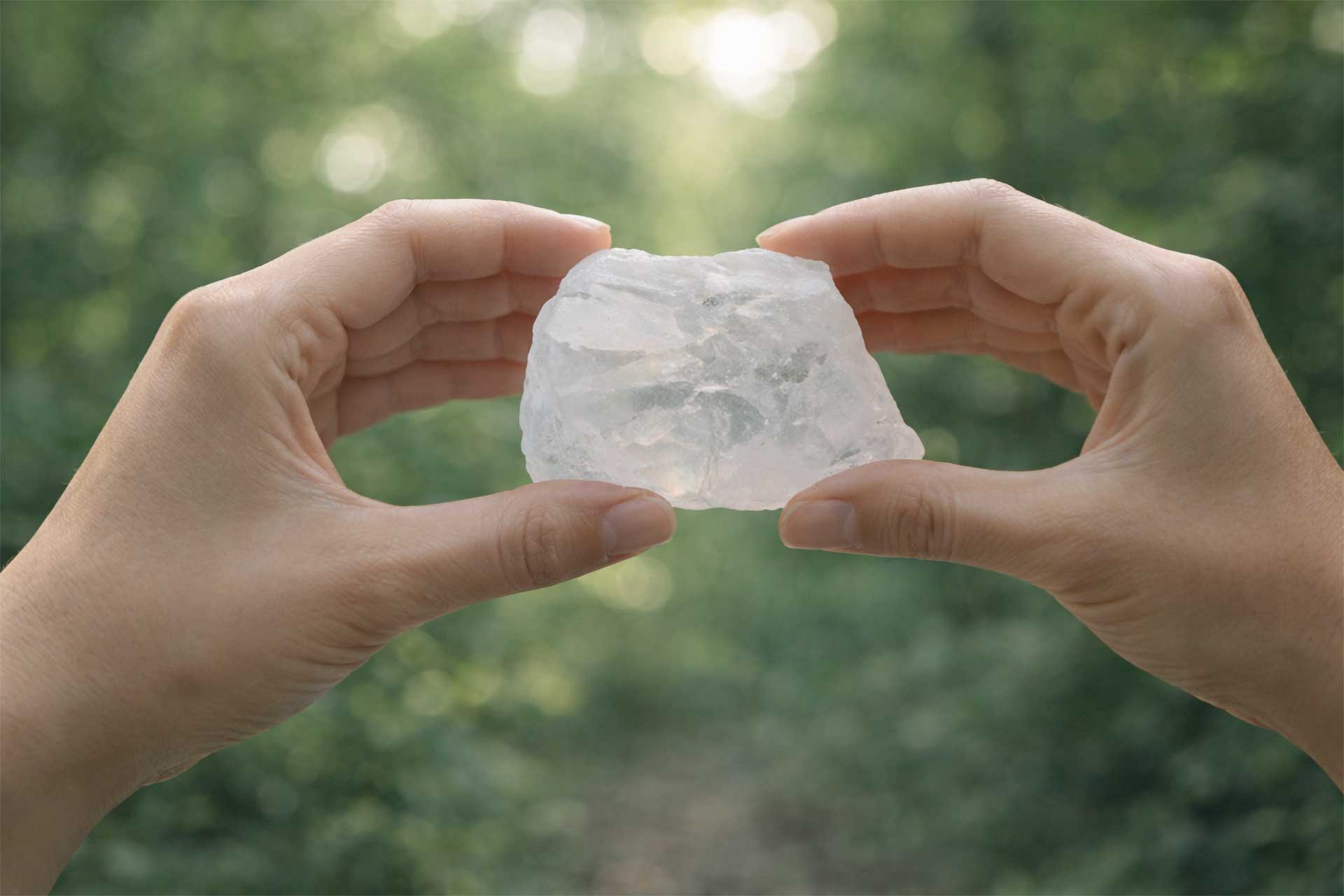
The Star of Sierra Leone (968.9 Carats) – Valentine’s Day Discovery
An Alluvial Treasure
On February 14, 1972, a 968.9-carat diamond was discovered in the diamond-rich Koidu area of Sierra Leone. Found in an alluvial deposit (gravel deposits where diamonds have traveled from their volcanic source), this gem became known as the Star of Sierra Leone.
Harry Winston’s Acquisition
This colorless Type IIa diamond attracted the attention of legendary jeweler Harry Winston, who purchased it for approximately $2.5 million—a substantial sum in 1972.
Winston originally planned to cut it into a single large 143-carat emerald-cut gem. However, when an internal flaw was discovered during cutting, the difficult decision was made to recut the gem into 17 smaller finished diamonds, with the largest being a flawless 53.96-carat pear shape.
Historical Significance
The Star of Sierra Leone remains the largest diamond ever found in Sierra Leone and the largest well-documented alluvial diamond in history, representing the geological journey these stones can undertake from their formation to discovery.
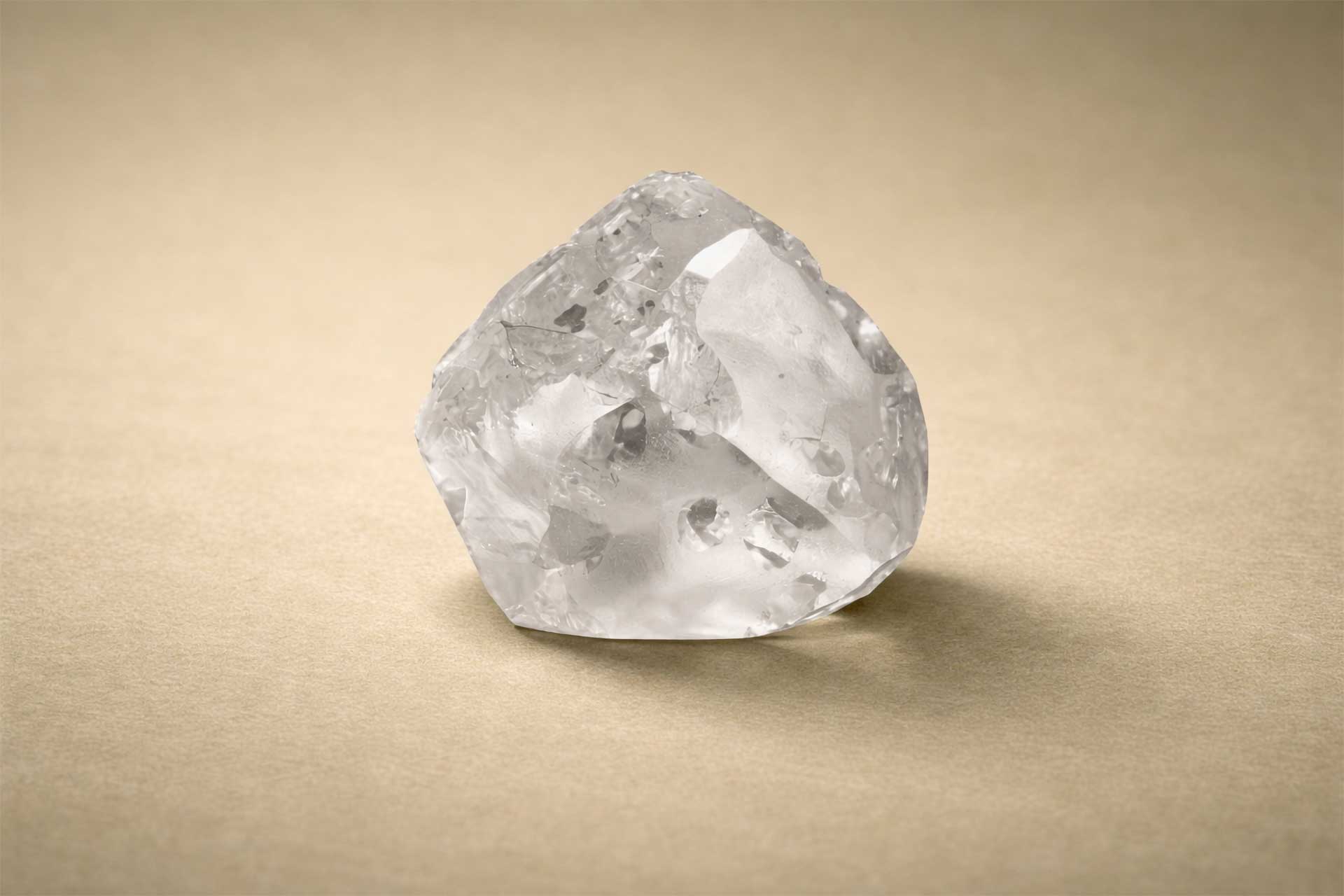
The Lesotho Legend (910 Carats) – High-Altitude Excellence
From the World’s Highest Mine
In January 2018, Gem Diamonds Ltd. recovered a 910-carat colorless diamond from Lesotho’s Letšeng mine—the world’s highest-dollar-per-carat kimberlite mine. This exceptional D-color, Type IIa gem was appropriately named “The Lesotho Legend.”
Record-Breaking Sale
The diamond sold at tender in Antwerp for $40 million, approximately $44,000 per carat. This remarkable price underscored the tremendous value of exceptionally large, high-quality diamonds in the modern market.
The buyers, a consortium led by Samir Gems and Taché Diamonds, likely intended to cut it into several polished stones, each capable of commanding premium prices due to the rough’s exceptional purity and color.
The Incomparable Diamond (890 Carats) – From Rubble to Riches
An Accidental Discovery
Not all giant diamonds emerge from active mining operations. In 1989, a young girl playing near mine tailings in the Democratic Republic of Congo spotted what appeared to be an interesting stone in the discarded rubble. It turned out to be an 890-carat rough diamond.
Transformation into a World Record
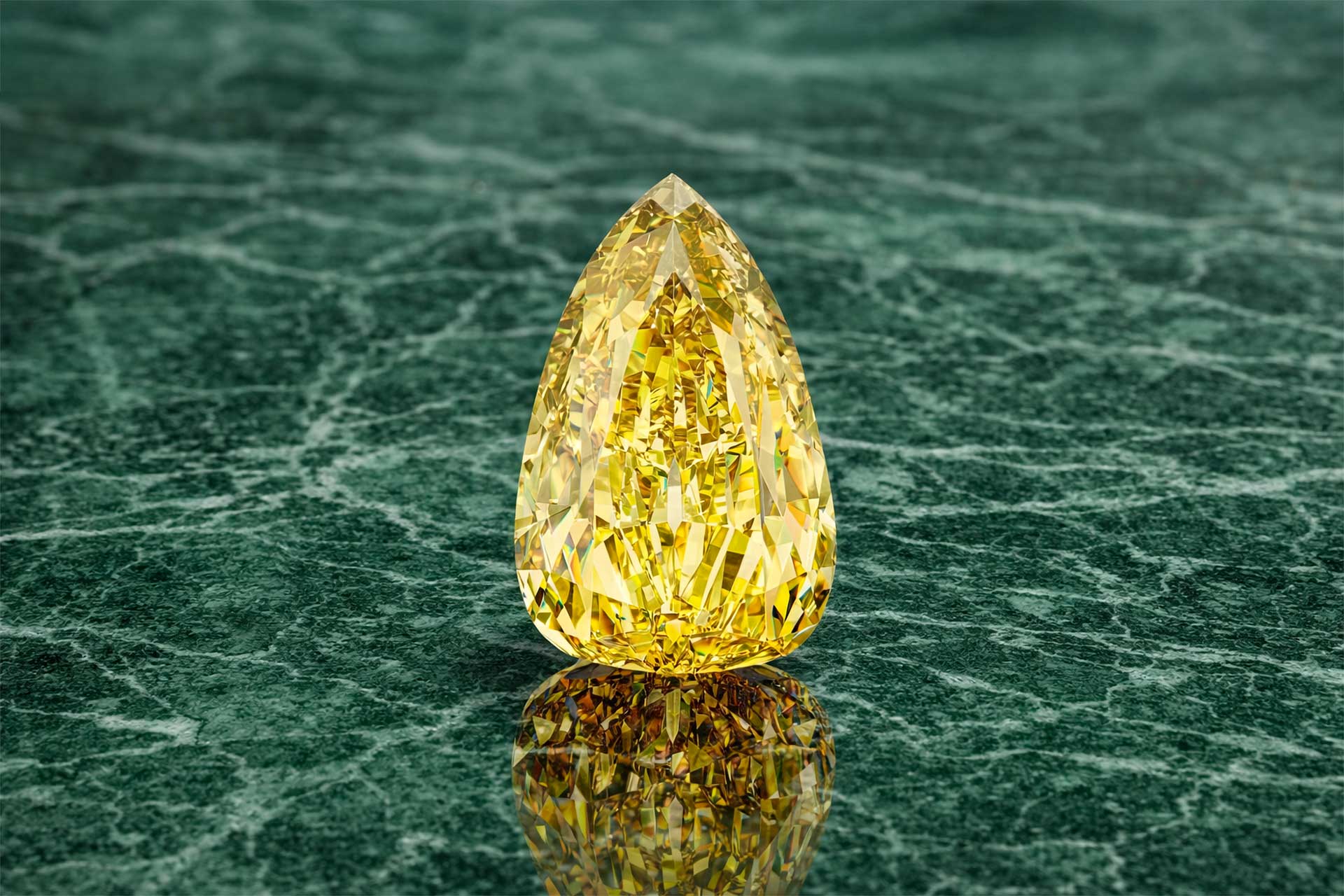
The distinctive deep brown-yellow rough was eventually sold and sent to Antwerp for analysis. After years of study, cutters decided to preserve maximum clarity by creating a single large gem rather than multiple pieces.
The result was a shield-shaped step-cut diamond weighing 407.48 carats—a fancy deep brownish-yellow, internally flawless gem. For a time, it ranked as the third-largest polished diamond in the world.
In 2013, displayed as the centerpiece of the necklace “L’Incomparable,” it earned a Guinness World Record as the most valuable necklace, proving that even unconventional discoveries can produce extraordinary results.
Other Notable Large Diamonds Worth Knowing
Recent Discoveries
The Constellation diamond (813 carats), found in Botswana in 2015, sold for $63 million—the highest price ever paid for a rough diamond at approximately $77,000 per carat, demonstrating the robust market for exceptional stones.
Historical Treasures
The Koh-i-Noor, originally approximately 793 carats in rough form, is among history’s most famous diamonds. First recorded in the 13th century in India, it was eventually cut to 186 carats and now resides in the British Crown Jewels.
Transformed Giants
The Millennium Star, discovered in the Democratic Republic of Congo in 1990 at 777 carats rough, was cut by De Beers into a perfect 203.0-carat D-color pear shape.
The Golden Jubilee Diamond, at 545.7 carats polished, holds the title of the largest finished diamond in the world. Starting as a 755-carat rough found in 1985, it was polished into a large fancy brown-yellow gem and now belongs to the Thai royal family.
The Role of Modern Technology in Large Diamond Recovery
The recent surge in discoveries of extremely large diamonds, particularly from Botswana’s Karowe mine, isn’t coincidental. Advanced X-ray recovery technology allows mining operations to identify and extract large diamonds intact, preventing them from being crushed or broken during processing.
This technology represents a significant advancement over traditional recovery methods, potentially allowing future generations to witness even more spectacular discoveries.
Expert Services for Exceptional Diamonds
At Reuven Veksler, our family business has been serving the diamond industry since 1974 from our location in Antwerp’s diamond district. Our expertise spans certified diamonds, gemstones, and comprehensive diamond services for collectors and investors.
Whether you’re seeking investment-grade diamonds or wish to expand your knowledge about these remarkable gems, our education center provides valuable resources to help you make informed decisions.
Summary: The World’s Largest Diamonds Compared
These extraordinary discoveries represent the pinnacle of natural diamond formation. Each stone tells a unique story of geological conditions, human discovery, and the decisions that shaped their ultimate fate.
| Diamond Name | Weight (Carats) | Year Discovered | Location | Type/Quality | Current Status |
|---|---|---|---|---|---|
| Sergio | 3,167 | 1895 | Bahia, Brazil | Black carbonado | Broken up for industrial use |
| Cullinan | 3,106.75 | 1905 | Premier Mine, South Africa | Gem quality, colorless | Cut into 9 large + 96 smaller stones; Cullinan I & II in British Crown Jewels |
| Motswedi | 2,492 | 2024 | Karowe Mine, Botswana | Gem quality, light brown | Uncut, owned by Lucara |
| Karowe 2,036-carat | 2,036 | 2025 | Karowe Mine, Botswana | Near-gem quality, light brown | Uncut, unnamed |
| Sewelô | 1,758 | 2019 | Karowe Mine, Botswana | Near-gem quality | Purchased by Louis Vuitton, uncut |
| Lesedi La Rona | 1,109 | 2015 | Karowe Mine, Botswana | Gem quality, Type IIa | Cut by Graff; main stone 302.37 carats |
| Excelsior | 995.2 | 1893 | Jagersfontein Mine, South Africa | Gem quality, blue-white | Cut into 10 stones; largest 69.7 carats |
| Star of Sierra Leone | 968.9 | 1972 | Koidu, Sierra Leone | Gem quality, Type IIa, colorless | Cut into 17 stones; largest 53.96 carats |
| Lesotho Legend | 910 | 2018 | Letšeng Mine, Lesotho | Gem quality, D-color, Type IIa | Sold for $40 million; cutting details undisclosed |
| Incomparable | 890 | 1989 | Democratic Republic of Congo | Deep brown-yellow | Cut into 407.48-carat shield-shaped gem |
Conclusion: The Continuing Age of Discovery
The recent discoveries of Motswedi and the Karowe 2,036-carat diamond prove that we have not yet seen the last of record-breaking diamond finds. Modern mining technology, combined with renewed exploration in productive regions, suggests that future generations may witness even more spectacular discoveries.
These massive diamonds remind us of nature’s extraordinary power to create beauty under extreme conditions over billions of years. Whether they become crown jewels, museum pieces, or collections of smaller gems, each large diamond represents a unique moment in geological and human history.
For those passionate about diamonds, understanding these legendary stones provides context for appreciating the craftsmanship, expertise, and heritage that define the world’s finest gems.





 Back
Back