

 Video call
 Talk to expert


 en
en




 Facebook
 Linkedin
 X (Twitter)
 Reddit
 Mail
Mail
 Copy Link

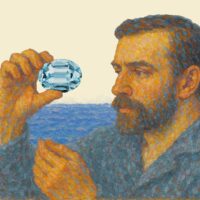
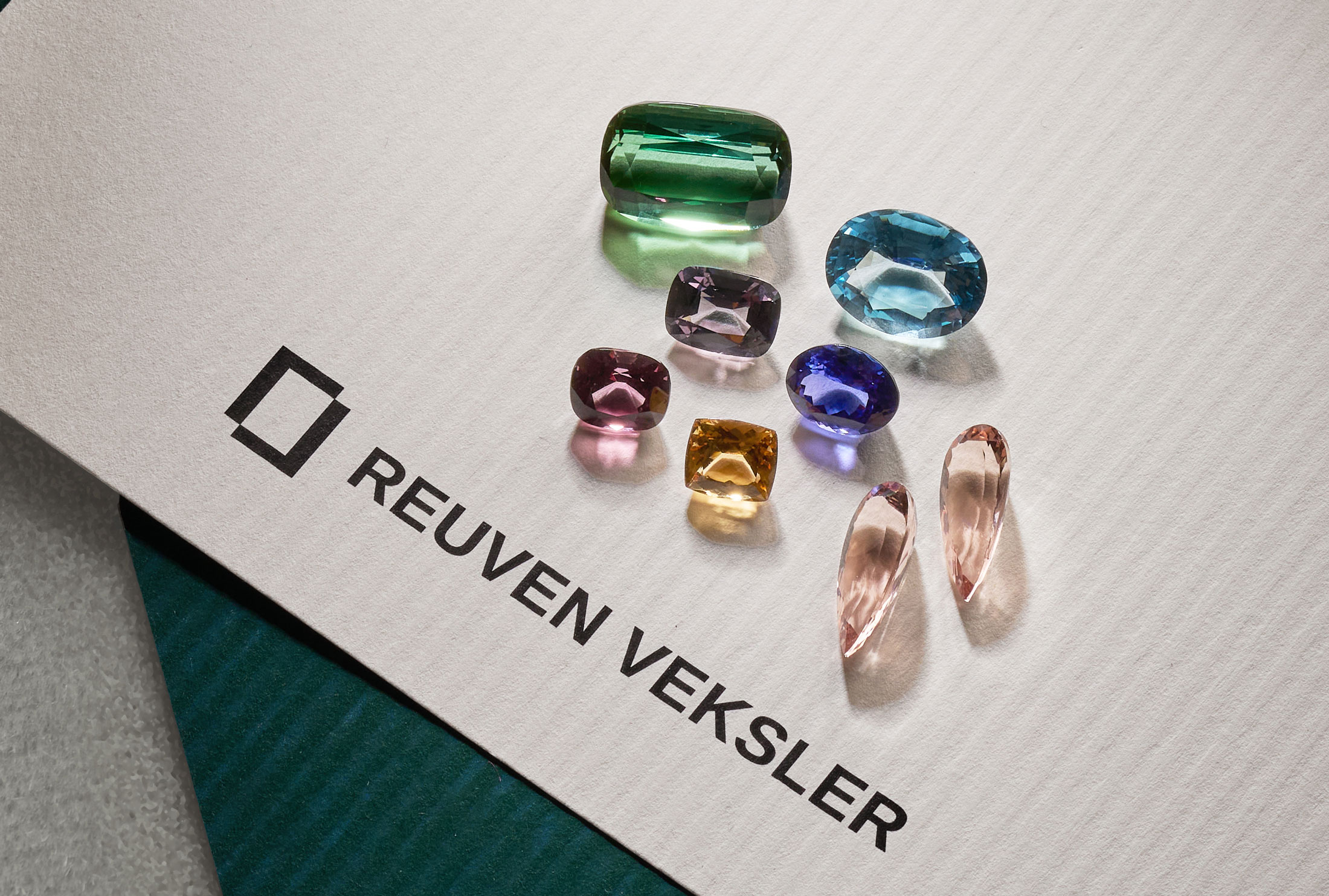
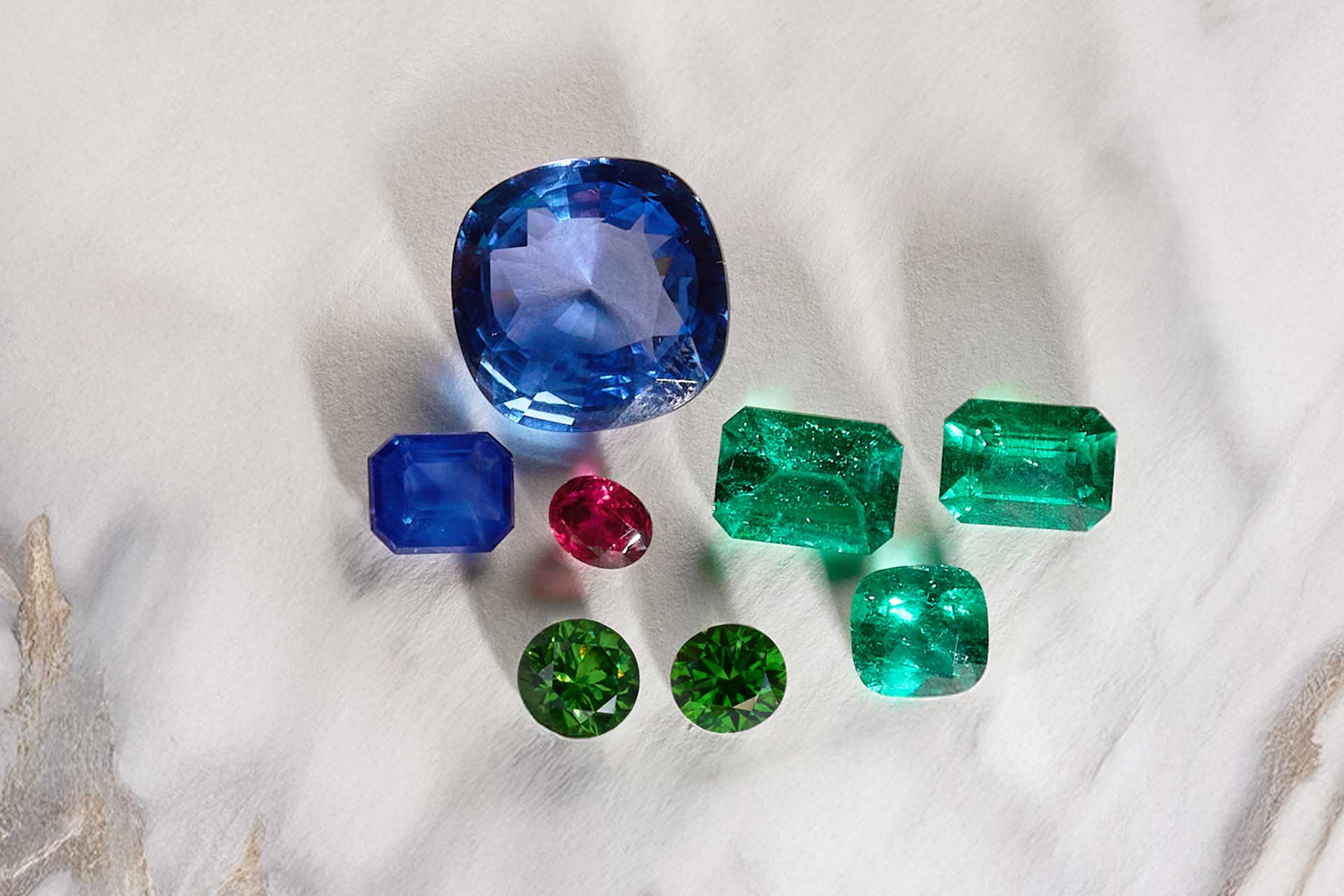
Gemstones have fascinated humanity for thousands of years, enchanting us with their vibrant colors, rarity, and the stories they tell. From the ancient civilizations of Mesopotamia and Egypt to modern collectors and jewelry enthusiasts, gemstones symbolize beauty, power, and mystery. While diamonds, including rare pink diamonds, often steal the spotlight, the world of colored gemstones like musgravite and pearls is even more diverse, mysterious, and captivating. In this comprehensive guide, we’ll explore the top 10 gemstones—excluding diamonds and including amethyst, topaz, jadeite, and citrine—delving into their unique characteristics, histories, and why they continue to fascinate us today. We’ll also provide useful tables for quick comparison and highlight educational resources to deepen your understanding of these natural wonders.
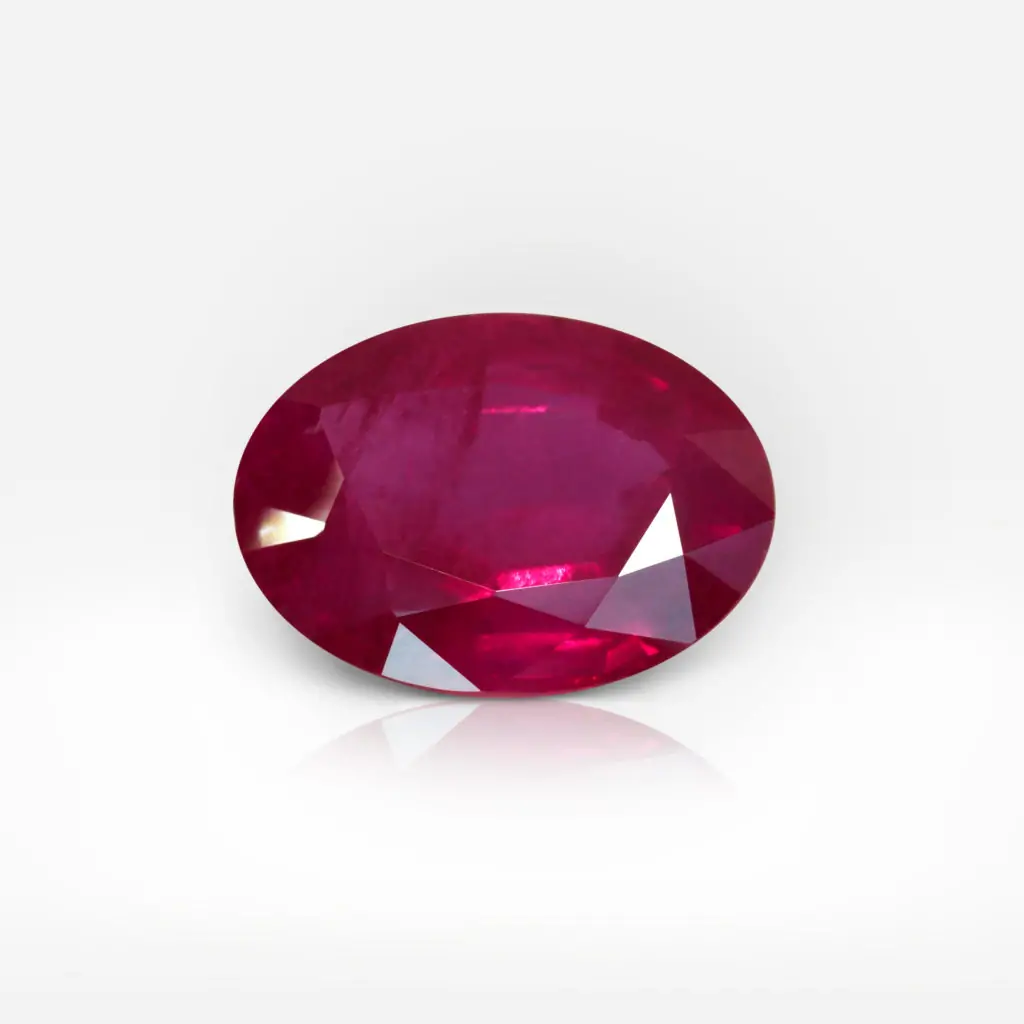
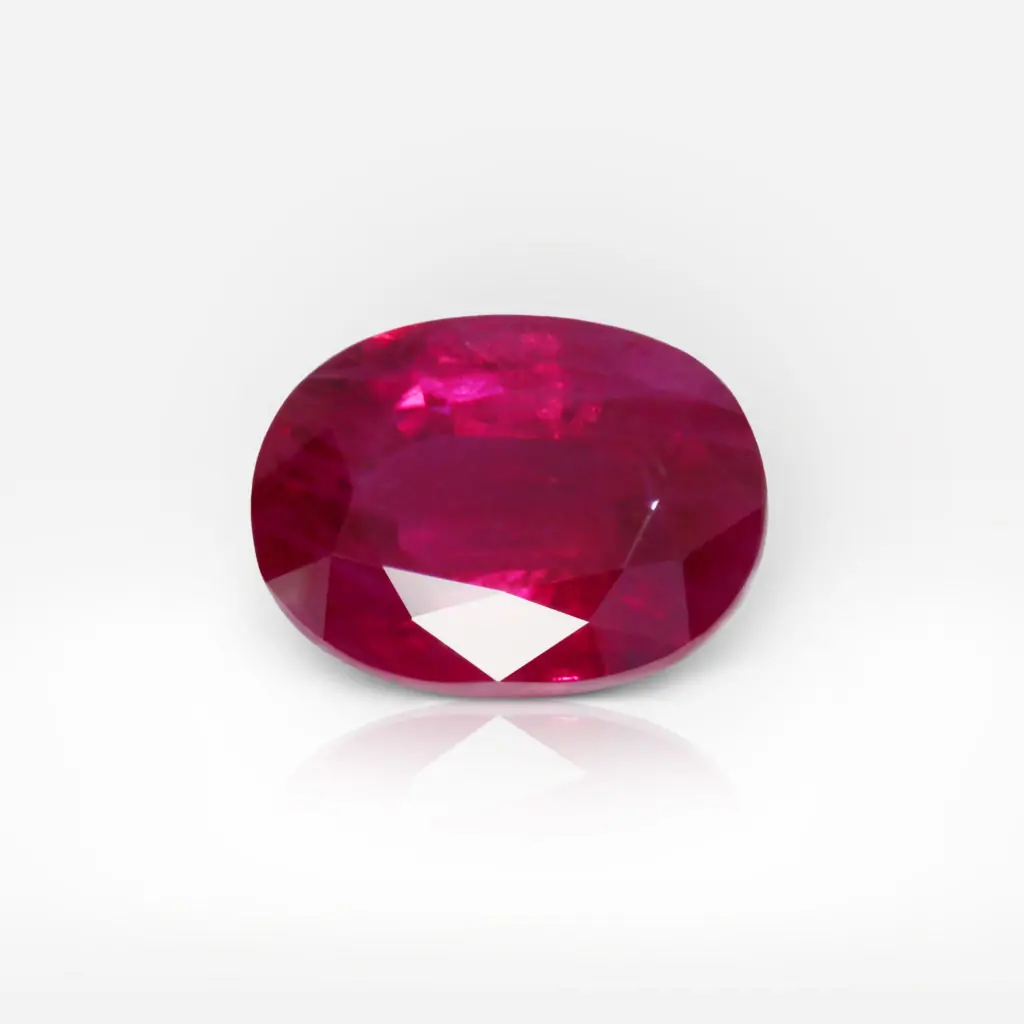
1. Ruby
Symbolism: Passion, protection, and vitality Color Range: Vivid red to purplish-red Hardness: 9 (Mohs scale) Notable Sources: Myanmar (Burma), Mozambique, Thailand, Sri Lanka
Rubies are among the most coveted gemstones, prized for their intense red color, which has been associated with scarcity, life force, love, and courage throughout history. The finest rubies, known as “pigeon blood,” command astronomical prices at auction. Rubies are a variety of the mineral corundum, colored by chromium. Their durability and brilliance make them a favorite for both collectors and jewelry designers.
Historical Note: Rubies have adorned the armor and crowns of royalty for centuries, believed to protect warriors in battle and bring prosperity to their owners.
2. Sapphire
Symbolism: Wisdom, royalty, and truth Color Range: Blue (most famous), but also pink, yellow, green, and more Hardness: 9 (Mohs scale) Notable Sources: Sri Lanka, Myanmar, Madagascar, Australia
Sapphires are best known for their mesmerizing blue hues, but they come in nearly every color except red. Blue sapphires have adorned the crowns of royalty for centuries and are often associated with nobility and sincerity. Their durability and range of colors make them a favorite for all types of jewelry, from engagement rings to statement necklaces.
Fun Fact: The famous engagement ring of Princess Diana (now worn by Catherine, Princess of Wales) features a stunning blue sapphire.


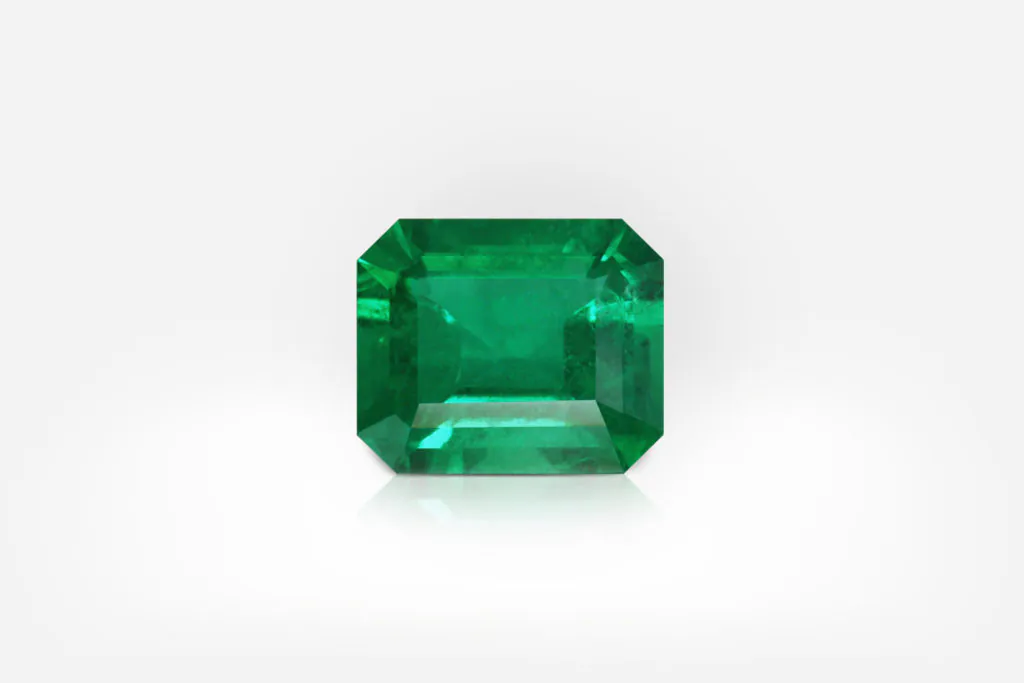
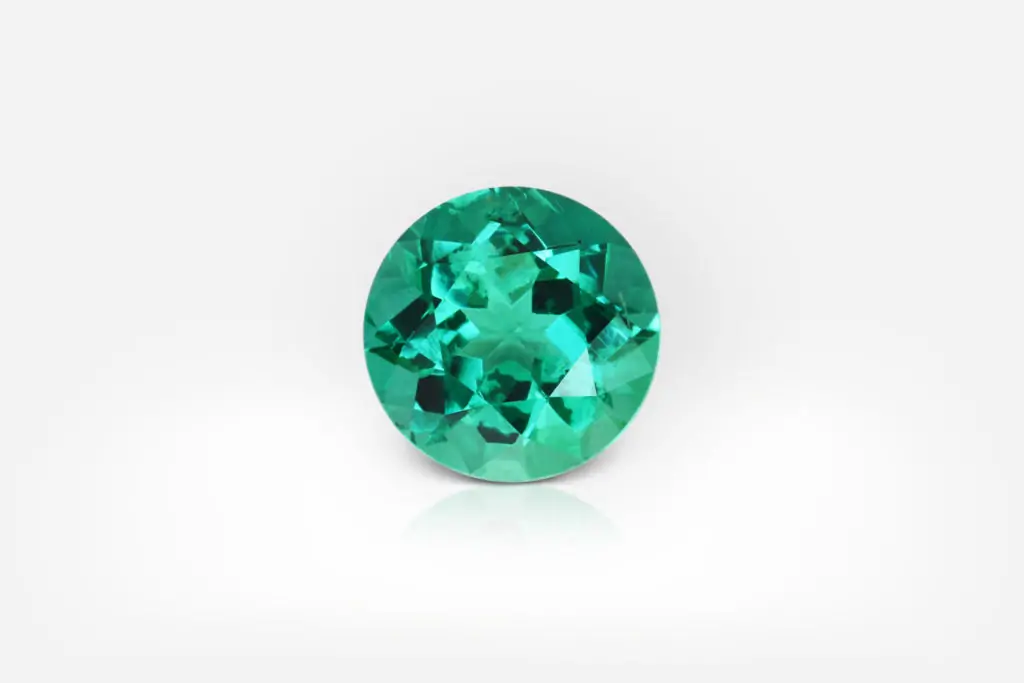
3. Emerald
Symbolism: Rebirth, love, and prosperity Color Range: Rich green to bluish-green Hardness: 7.5–8 (Mohs scale) Notable Sources: Colombia, Zambia, Brazil, Zimbabwe
Emeralds are cherished for their lush green color, which has symbolized renewal and growth since ancient times. The finest emeralds are highly transparent with a deep, vivid color. Due to their natural inclusions, emeralds are often treated to enhance clarity. The allure of emeralds lies not only in their color but also in their storied history, from Cleopatra’s mines to the treasures of the Mughal emperors.
Cultural Insight: Emeralds were considered sacred by the Incas and Aztecs, who believed they brought health and fertility.
4. Aquamarine
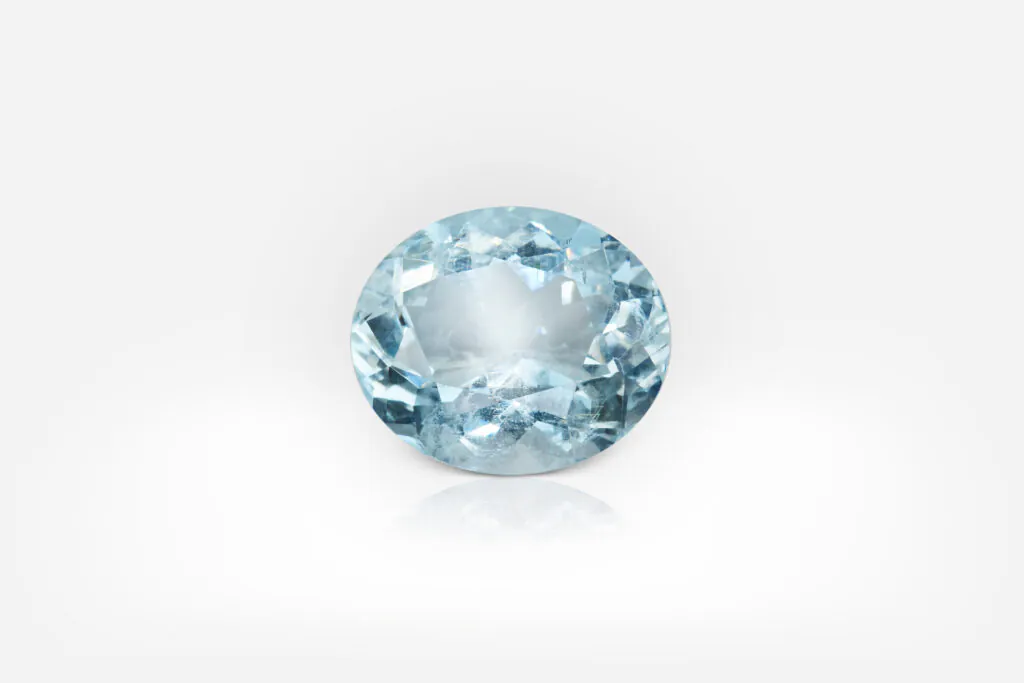
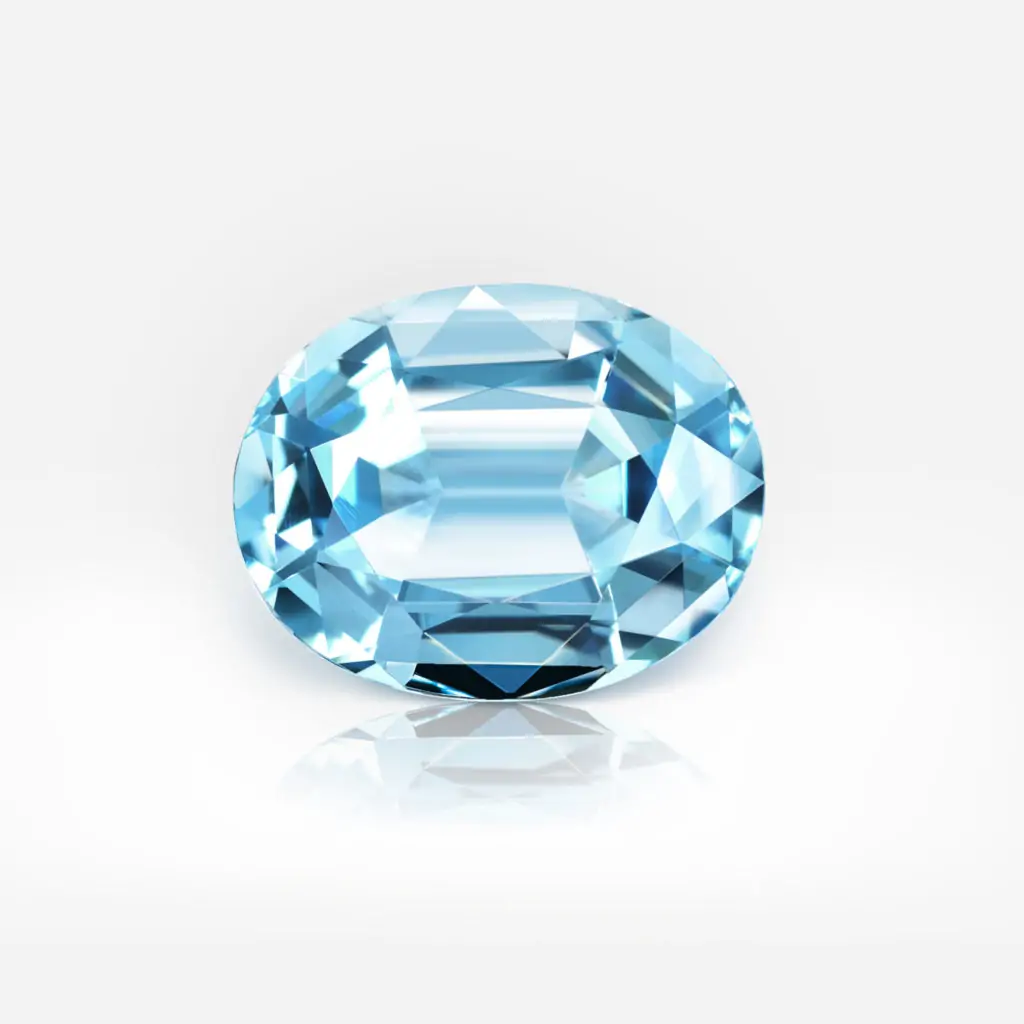
Symbolism: Serenity, clarity, and harmony Color Range: Pale blue to deep blue-green Hardness: 7.5–8 (Mohs scale) Notable Sources: Brazil, Nigeria, Madagascar, Pakistan
Aquamarine, a member of the beryl family like emerald and red beryl, is celebrated for its tranquil blue hues reminiscent of the sea. Its name derives from the Latin for “water of the sea.” Aquamarine is believed to calm tempers and soothe fears, making it a popular choice for jewelry. Its clarity and subtle color make it especially appealing in large, faceted stones.
5. Opal
Symbolism: Inspiration, creativity, and hope Color Range: White, black, fire (red/orange), and more, often with play-of-color Hardness: 5.5–6.5 (Mohs scale) Notable Sources: Australia, Ethiopia, Mexico, Brazil
Opals are unlike any other gemstone, displaying a mesmerizing play-of-color that shifts as the stone moves. Each opal is unique, with patterns and colors that can resemble galaxies, sunsets, or underwater scenes. Opals are relatively soft and require careful handling, but their beauty is unmatched. Black opals from Lightning Ridge, Australia, are among the most prized.
Mythology: Ancient Romans believed opals brought good luck, while in the Middle Ages, they were thought to possess all the virtues of each gemstone whose color was represented in the opal’s spectrum.
6. Alexandrite
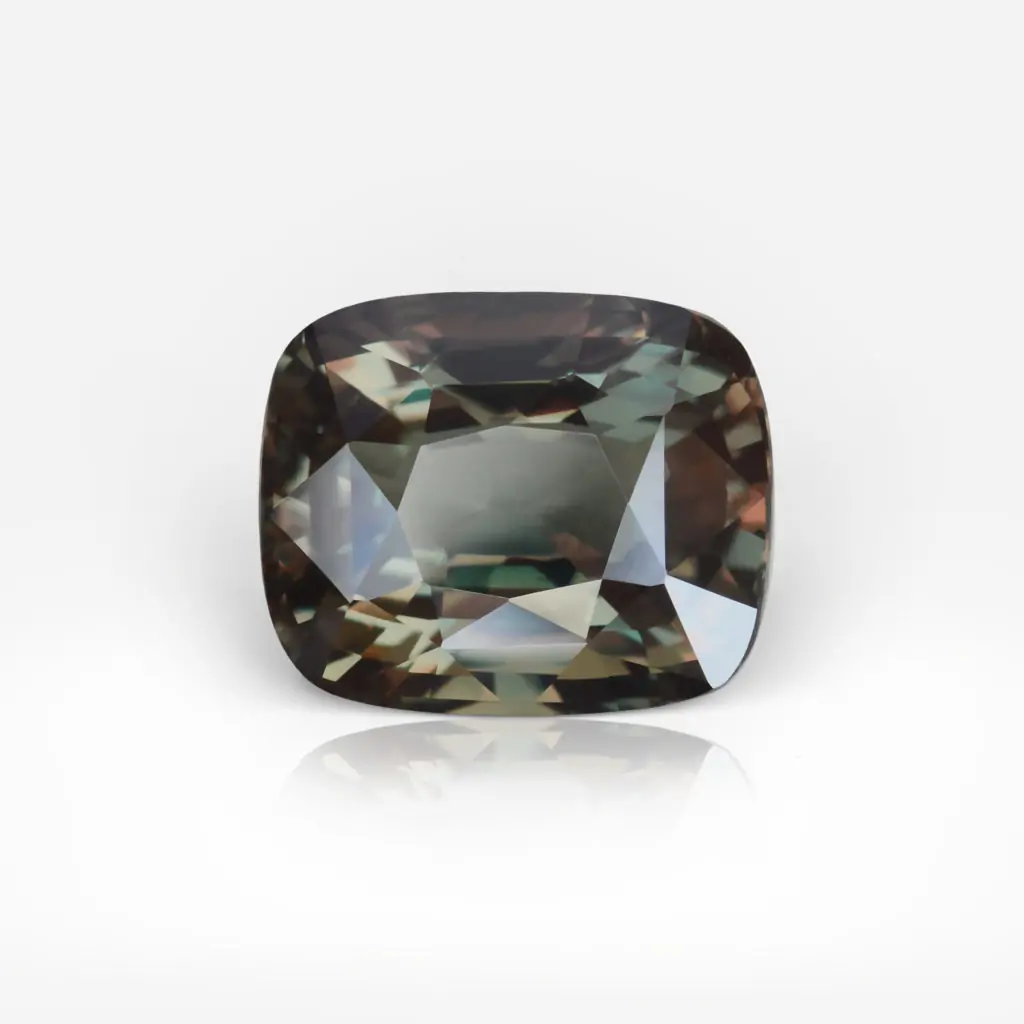
Symbolism: Change, luck, and balance Color Range: Green in daylight, red under incandescent light (color-change) Hardness: 8.5 (Mohs scale) Notable Sources: Russia, Brazil, Sri Lanka, East Africa, with citrine being a popular form in these regions
Alexandrite, unlike amethyst, or the equally rare musgravite, is famous for its dramatic color change, appearing green in daylight and red under incandescent light. This rare phenomenon makes alexandrite one of the most sought-after and valuable gemstones for collectors. Discovered in Russia’s Ural Mountains in the 183s, it was named after Tsar Alexander II.
Collector’s Note: Fine alexandrite is rarer than almost any other gemstone, with its scarcity making large, clean stones exceptionally valuable, much like rare pearls or the elusive pink diamond.
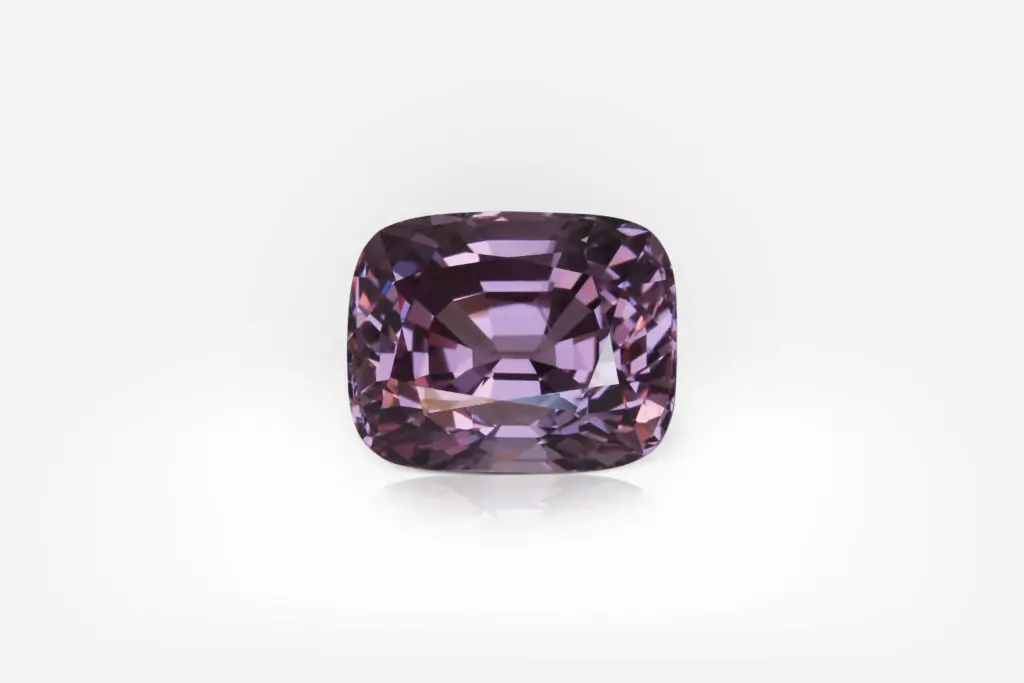
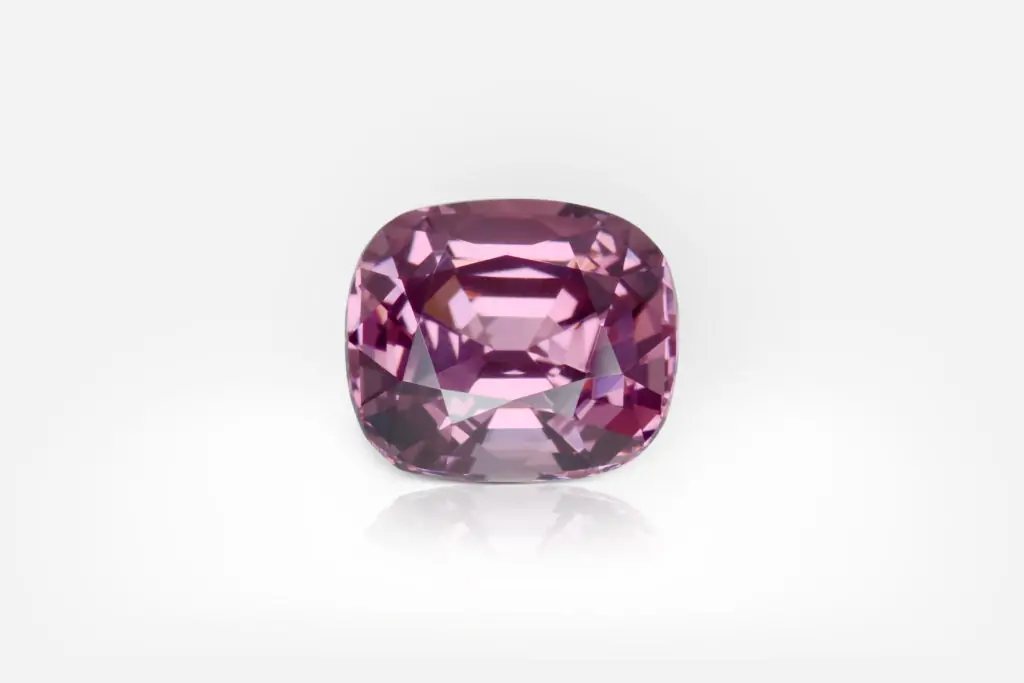
7. Spinel
Symbolism: Revitalization, energy, and protection Color Range: Red, pink, blue, violet, and more Hardness: 8 (Mohs scale) Notable Sources: Myanmar, Sri Lanka, Vietnam, Tanzania
Spinel has long been mistaken for ruby and sapphire due to its vibrant colors. Recent recognition of its beauty and rarity has elevated spinel’s status among gemstone enthusiasts. Fine red and cobalt blue spinels are especially prized. Spinel is also known for its excellent brilliance and durability.
Historical Fact: The famous “Black Prince’s Ruby” in the British Crown Jewels is actually a large red spinel.
8. Paraíba Tourmaline
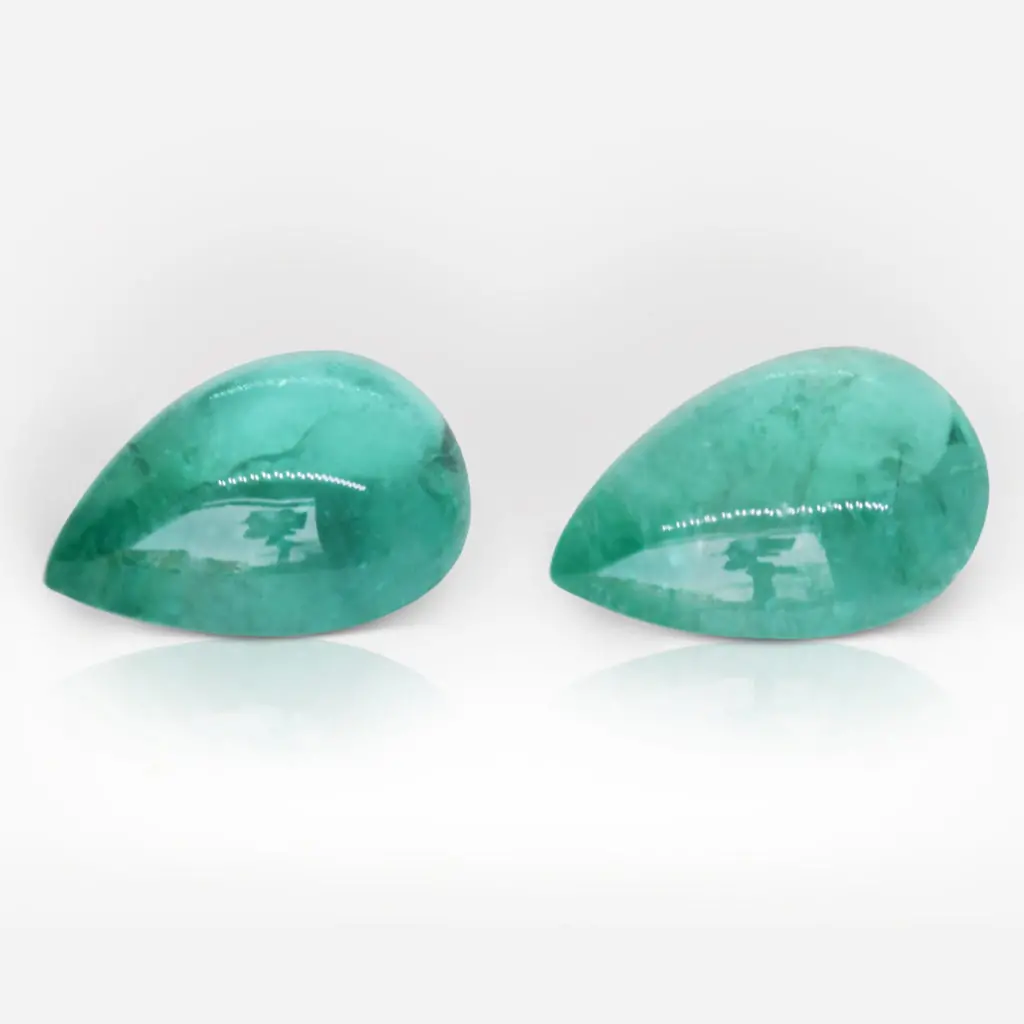
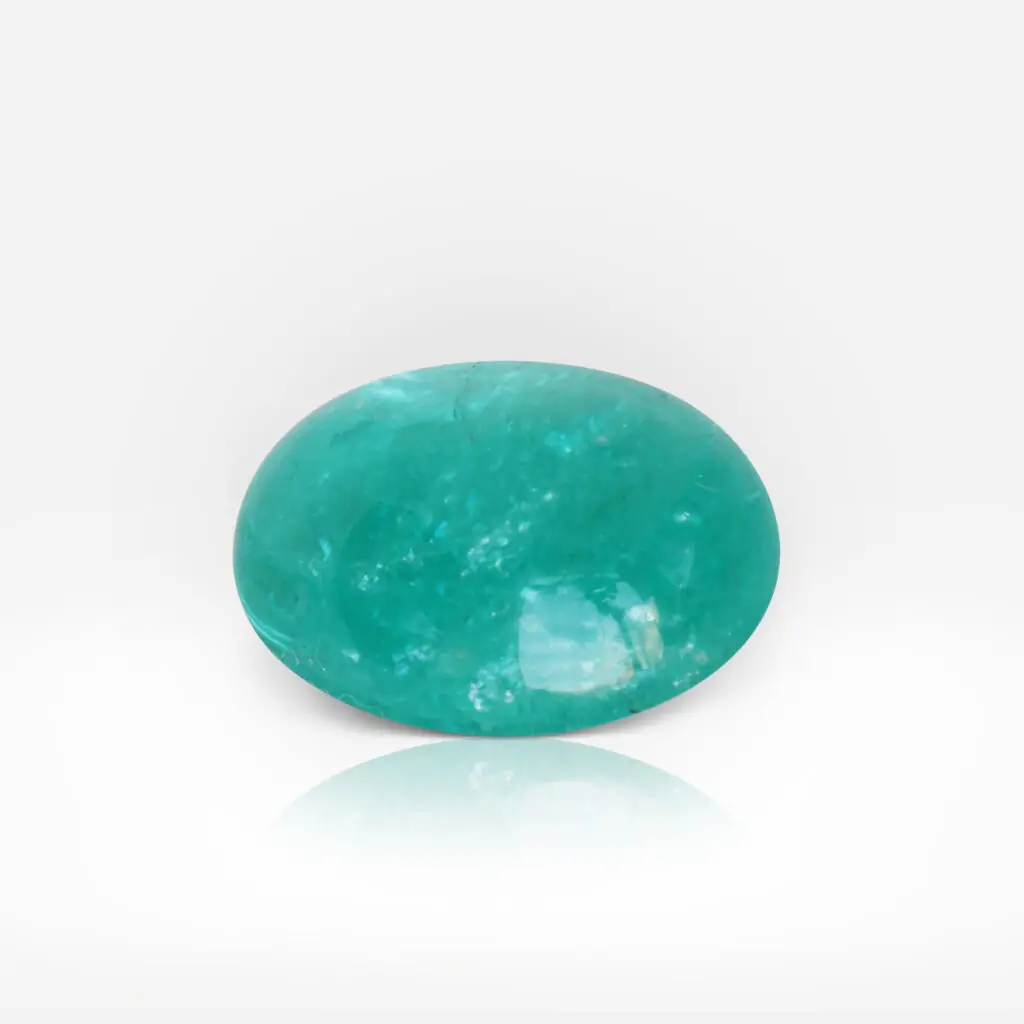
Symbolism: Energy, joy, and uniqueness Color Range: Neon blue, green, turquoise Hardness: 7–7.5 (Mohs scale) Notable Sources: Brazil (Paraíba), Mozambique, Nigeria
Paraíba tourmaline is celebrated for its electric blue and green hues, caused by trace amounts of copper. Discovered in the late 198s in Brazil, these gems are exceptionally rare and command high prices due to their vivid color and scarcity. The neon glow of Paraíba tourmaline is unlike any other gemstone.
Market Insight: Even small Paraíba tourmalines can fetch thousands of dollars per carat, making them a true collector’s gem, similar to certain varieties of topaz which are also highly valued for their rarity and unique features.
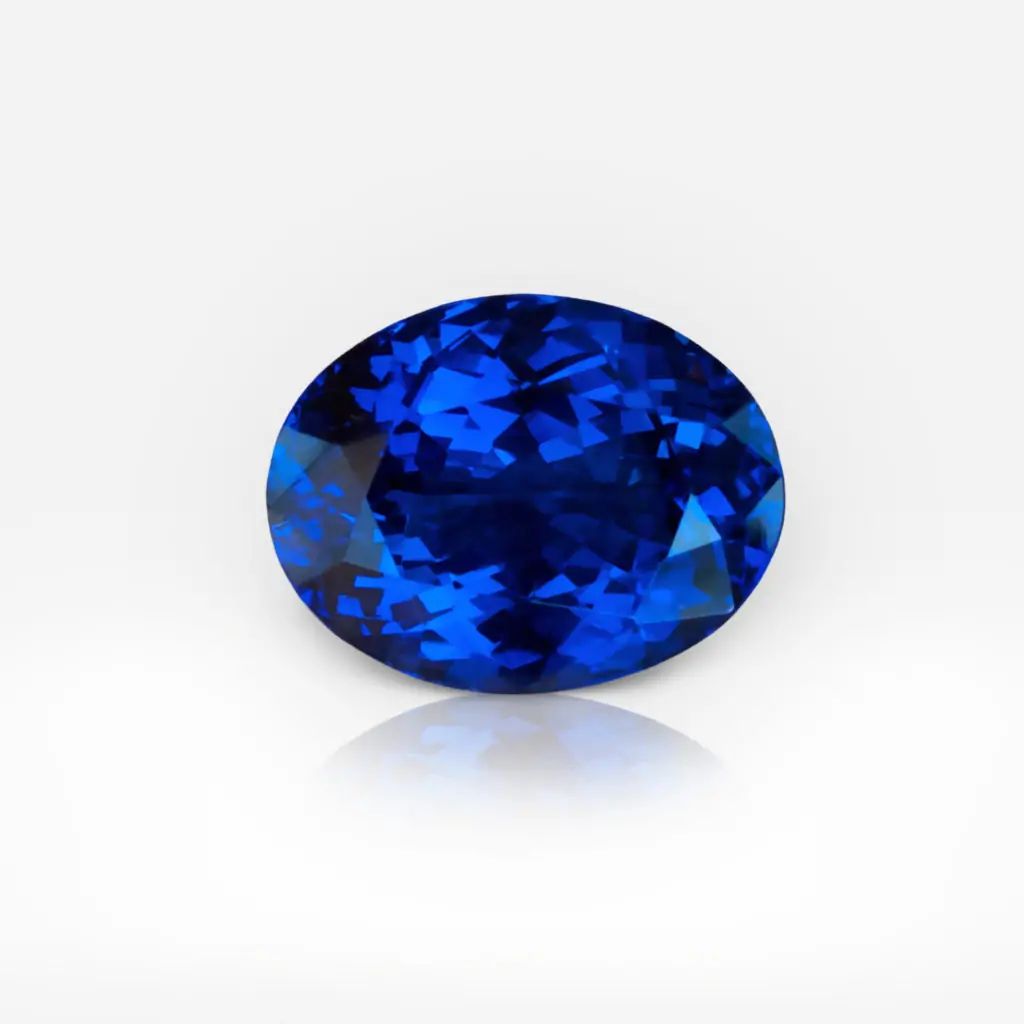
9. Tanzanite
Symbolism: Transformation, intuition, and discovery Color Range: Blue to violet Hardness: 6–7 (Mohs scale) Notable Sources: Tanzania (the only known source)
Tanzanite, discovered only in 1967, is a relatively new gemstone but has quickly gained popularity for its striking blue-violet color. Found exclusively in the foothills of Mount Kilimanjaro, tanzanite is a one-source gemstone, adding to its allure and value. Its trichroic nature means it can show three different colors depending on the viewing angle.
Fun Fact: Tanzanite is the birthstone for December and is often given to celebrate 24th wedding anniversaries.

10. Garnet
Symbolism: Friendship, trust, vitality, and protection with the vibrant color of peridot Color Range: Red, orange, green, purple, brown, black Hardness: 6.5–7.5 (Mohs scale) Notable Sources: India, Sri Lanka, Africa, Russia
Garnet is not a single mineral but a group of related minerals with similar crystal structures, including the vibrant red beryl and ornamental jadeite. The most common garnet is red, but the family includes a rainbow of colors, including the rare and valuable green tsavorite and demantoid garnets. Garnets have been used in jewelry since the Bronze Age and are valued for their brilliance and versatility.
Cultural Note: Garnets were believed to protect travelers and were used as talismans by ancient warriors.


Gemstone Comparison Table
Below is a quick reference table comparing the top 10 gemstones (excluding diamonds) by key characteristics:
| Gemstone | Color Range | Hardness (Mohs) | Notable Sources | Unique Feature |
|---|---|---|---|---|
| Ruby | Red, purplish-red | 9 | Myanmar, Mozambique | Intense red color |
| Sapphire | Blue, all colors but red | 9 | Sri Lanka, Madagascar | Wide color range |
| Emerald | Green, bluish-green | 7.5–8 | Colombia, Zambia | Lush green, often included |
| Aquamarine | Pale to deep blue | 7.5–8 | Brazil, Nigeria | Sea-blue clarity |
| Opal | White, black, fire, play-of-color | 5.5–6.5 | Australia, Ethiopia | Unique play-of-color |
| Alexandrite | Green/red (color-change) | 8.5 | Russia, Brazil | Dramatic color change |
| Spinel | Red, pink, blue, violet | 8 | Myanmar, Vietnam | Vibrant, often mistaken for ruby |
| Paraíba Tourmaline | Neon blue, green, turquoise | 7–7.5 | Brazil, Mozambique | Electric neon colors |
| Tanzanite | Blue to violet | 6–7 | Tanzania | One-source, blue-violet color |
| Garnet | Red, green, orange, more | 6.5–7.5 | India, Africa | Wide color range, many type |

Rarity and Value Table
Understanding rarity and value is crucial for collectors and investors. Here’s a table summarizing these aspects for colored gemstones:
| Gemstone | Rarity Level | Value Range (per carat) | Notable Auction Records |
|---|---|---|---|
| Ruby | Rare | $1,000–$1M+ | Sunrise Ruby: $30.4M |
| Sapphire | Rare | $500–$200,000+ | Blue Belle of Asia: $17.3M |
| Emerald | Rare | $500–$300,000+ | Rockefeller Emerald: $5.5M |
| Aquamarine | Uncommon | $100–$1,000+ | Dom Pedro: Largest cut stone |
| Opal | Uncommon-rare | $100–$50,000+ | Virgin Rainbow: $1M+ |
| Alexandrite | Extremely rare | $5,000–$70,000+ | Russian stones most valuable |
| Spinel | Rare | $200–$10,000+ | Imperial Red Spinel: $900,000+ |
| Paraíba Tourmaline | Extremely rare | $10,000–$100,000+ | Neon blue stones most prized |
| Tanzanite | Rare | $200–$2,000+ | Large stones fetch premiums |
| Garnet | Uncommon-rare | $50–$10,000+ | Demantoid, tsavorite most valuable |
Note: Prices vary widely based on quality, size, and provenance.
The Allure of Colored Gemstones
What makes colored gemstones so endlessly fascinating? Unlike diamonds, which are prized for their brilliance and clarity, colored gemstones are celebrated for their unique hues, inclusions, and histories. Each gemstone tells a story—of geological marvel, human history, and personal meaning. Some, like alexandrite, dazzle with their ability to change color. Others, like opal, mesmerize with shifting patterns of light. The rarity of certain colors or origins can make a gemstone even more desirable.
Collectors often seek out gemstones with unique provenance, such as Kashmir sapphires or Colombian emeralds, which are renowned for their exceptional quality. The journey of a gemstone from deep within the Earth to a finished piece of jewelry is a testament to nature’s artistry and human ingenuity.
Caring for Your Gemstones
Owning a gemstone is a privilege, but it also comes with responsibility. Each gemstone has its own requirements for care and maintenance. For example, opals and tanzanite are softer and require gentle handling, while sapphires and rubies are durable enough for daily wear. Proper cleaning, storage, and occasional professional inspection will ensure your gemstones remain as dazzling as the day you acquired them.
Further Learning and Gemstone Listings
To explore gemstones in greater detail, including their histories, properties, and buying guides, visit the following resources:
- Gemstone Listings at Reuven Veksler: Browse a curated selection of fine gemstones, including rare and investment-grade stones.
- Gemstone Education Articles: In-depth articles covering gemstone origins, grading, care, and more.
- What is the Rarest Gemstone? An In-Depth Exploration of Nature’s Most Elusive Treasures: Discover the rarest gems on Earth and what makes them so valuable.
- What Colour is Aquamarine? The Complete Guide to Aquamarine’s Unique Hue: Learn about the subtle shades and grading of aquamarine.
Conclusion
The world of colored gemstones, including the mesmerizing peridot and rich purple amethyst, is as diverse as it is enchanting. Each stone is a marvel of nature, shaped by geological forces over millions of years and brought to light by human hands. Whether you are a collector, investor, or simply an admirer of beauty, understanding the top 10 gemstones—excluding diamonds—provides a window into nature’s artistry and the enduring allure of these precious treasures.
From the fiery red of rubies and the unique allure of red beryl to the neon glow of Paraíba tourmaline, the shifting colors of alexandrite, and the lush green of emeralds, each gemstone offers a unique story and a piece of Earth’s history. For those eager to explore further, the resources above offer a wealth of knowledge and opportunities to own a piece of Earth’s most dazzling creations. Let your journey into the world of gemstones inspire awe, curiosity, and a deeper appreciation for the wonders beneath our feet.
Ready to discover your own gemstone treasure? Explore the Reuven Veksler Gemstone Listings and begin your journey into the world of nature’s most dazzling treasures.





 Back
Back