

 Video call
 Talk to expert


 en
en






 Facebook
 Linkedin
 X (Twitter)
 Reddit
 Mail
Mail
 Copy Link


The allure of diamonds has captivated humanity for centuries. These precious stones, forged deep beneath the earth’s surface over millions of years, represent not just wealth but also power, beauty, and eternal love. Throughout history, diamonds have held different meanings across cultures, from spiritual symbols to status markers. Yet this same allure has made them irresistible targets for some of the world’s most audacious criminals. The following five heists represent the pinnacle of diamond theft in modern history—stories of meticulous planning, bold execution, and in some cases, spectacular failures.
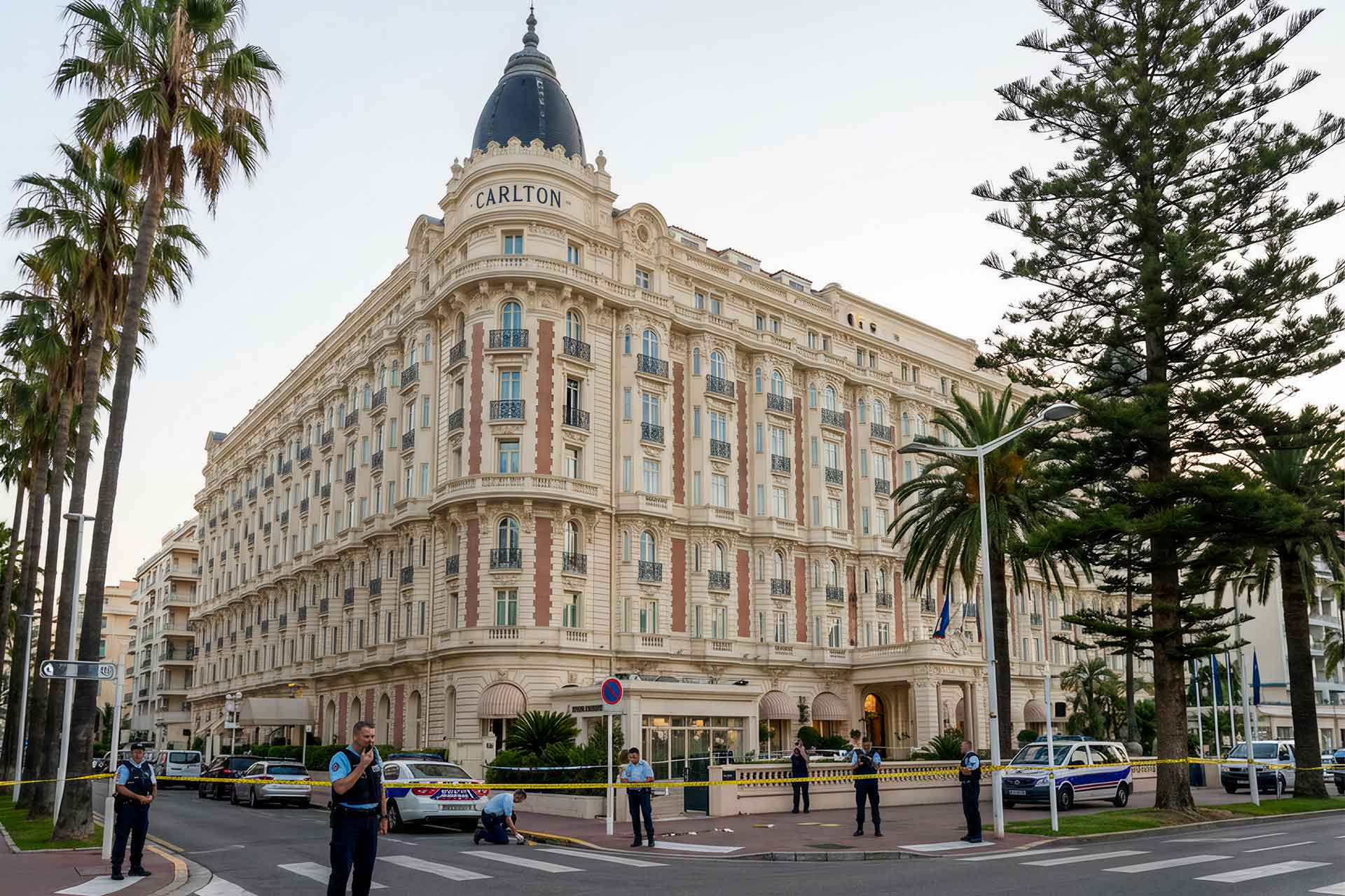
1. The 2013 Carlton Hotel Heist (Cannes, France) – $136 Million
The Setting
On a sun-drenched afternoon in July 2013, a lone gunman walked into the Carlton Intercontinental Hotel in Cannes and committed what would become France’s largest jewel robbery ever. The date was July 28th, and the setting couldn’t have been more cinematic—the very hotel where Alfred Hitchcock filmed his classic “To Catch a Thief” in 1955. Life, it seemed, was imitating art.
The Heist
The target was an exhibition of jewelry belonging to Israeli diamond billionaire Lev Leviev. Around midday, wearing nothing more than a baseball cap and scarf as disguise, the thief brandished a handgun and calmly approached the unarmed security guards.
Within minutes, he had filled a briefcase with 72 pieces of diamond jewelry—rings, pendants, and diamond-encrusted earrings. The 34 most precious items alone were valued at approximately $135 million, contributing to the record $136 million haul.
The Escape
What made this heist particularly brazen was its simplicity. The gunman entered through a side door that should have been locked, threatened the staff without firing a single shot, and then disappeared on foot into the city. In his haste, he may have even dropped a few gems while escaping—a detail that underscores the speed and chaos of the grab.
The Mystery Continues
The aftermath? Complete mystery. Despite an international manhunt and a $1.3 million reward offered by Lloyd’s of London, no arrests have been made.
Investigators suspect involvement by the notorious “Pink Panthers”—a network of Balkan jewel thieves responsible for heists worldwide. Adding to this suspicion, Pink Panther member Milan Poparić had escaped a Swiss prison just days before the Carlton robbery.
Yet to this day, the perpetrator remains at large, and none of the stolen diamonds have been recovered. The Carlton heist remains unsolved, a modern legend in the world of diamond crime.

2. The 2003 Antwerp Diamond Center Heist (Antwerp, Belgium) – ~$100 Million
The Ultimate Challenge
If the Carlton heist was about audacity, the Antwerp diamond robbery was about precision. Over the weekend of February 15–16, 2003, a team of thieves executed what many consider the most technically sophisticated heist in history, earning it the nickname “the heist of the century.”
Antwerp’s diamond district handles the majority of the world’s rough diamonds, making it the heart of the global diamond trade. The Antwerp World Diamond Center, with its vault two floors underground, was considered impregnable—protected by ten layers of security including heat sensors, motion detectors, a seismic alarm, magnetic fields, and a lock with 100 million possible combinations.
Years in the Making
Leonardo Notarbartolo, an Italian thief, had spent over two years preparing for this moment. He rented an office in the building as cover, giving him access to study the security systems intimately.
His team defeated each layer with a combination of high-tech and surprisingly low-tech methods. They installed a tiny camera in a fire extinguisher to record the vault combination keypad. They sprayed hairspray on heat sensors to temporarily disable them. They used an aluminum plate to hold the magnetic field intact while bypassing the alarm, and Styrofoam to mask their infrared signatures.
The Weekend Sweep
On that February weekend, they entered the vault and opened 109 out of 189 safe-deposit boxes, scooping out over $100 million in loose diamonds, gold, and jewelry. So much loot filled their bags that they left gems scattered on the floor—unable to carry everything.
Undone by Garbage
Their downfall came from an unlikely source: garbage. As they fled Belgium, a panicked accomplice dumped a bag of incriminating evidence in a wooded area—receipts, videotape, envelopes, even a half-eaten salami sandwich. A local farmer discovered it, leading police straight to Notarbartolo.
He received ten years in prison, along with several accomplices who got five years each. However, most of the diamonds were never recovered. The gems had vanished into the black market, likely shipped abroad and sold before investigators could trace them.
The Antwerp heist exposed vulnerabilities even in the diamond industry’s most secure facilities and led to sweeping security improvements across the district.

3. The 2008 Harry Winston Jewelry Store Robbery (Paris, France) – ~$105 Million
Theater and Violence
Paris has long been synonymous with luxury and elegance, making it a natural target for high-end jewelry theft. On December 4, 2008, just before closing time, four armed men walked into the Harry Winston boutique at 29 Avenue Montaigne—one of the most prestigious addresses in the city’s luxury shopping district. What happened next would become known as France’s “heist of the century” (at least until the Carlton robbery five years later).
The Disguises
The robbers weren’t just audacious; they were theatrical. Some wore wigs and dresses, disguising themselves as women to gain entry. Once inside, they drew handguns and quickly took control, addressing some staff members by their first names—a chilling detail that revealed inside knowledge.
They forced employees and customers into a corner at gunpoint, then systematically emptied nearly every display case in the store.
Inside Knowledge
The thieves knew exactly what they were looking for and where to find it. They located hidden safes and drawers, collecting 297 pieces of jewelry and 104 luxury watches valued at approximately €80 million (roughly $105 million). Among the haul were rings with extremely rare large diamonds, elaborate necklaces, and gem-encrusted pieces that represented almost the entire inventory.
Within 15 to 20 minutes, they had completed their sweep and fled into the Paris evening. Remarkably, this was the second time this particular Harry Winston store had been robbed—a smaller heist in 2007 had netted €32 million. The 2008 robbery, however, was far more devastating.
The Inside Man
The investigation took over two years, but eventually the net closed. An inside man—a security guard who had provided floor plans and access information—was revealed as an accomplice. He received a two-year sentence.
In 2010, police recovered some jewels worth €18 million hidden in a drain outside Paris. By 2015, eight men had been convicted, with sentences ranging up to 15 years. Many were linked to the Pink Panthers network. Despite these arrests, a large portion of the jewelry remains missing—likely broken down and sold piece by piece on the black market.
The cross-dressing disguises were so convincing that witnesses initially described some robbers as women. The case highlighted the international reach of organized jewelry crime and spurred Harry Winston to dramatically upgrade security measures.

4. The 2005 Schiphol Airport Diamond Heist (Amsterdam, Netherlands) – $72 Million
The Perfect Impersonation
Amsterdam’s Schiphol Airport is one of Europe’s busiest hubs, handling millions of passengers and massive amounts of cargo annually. On February 25, 2005, it became the site of what would be the Netherlands’ largest robbery ever—and a masterclass in deception.
That morning, a team of armed robbers executed a precision operation that could have been lifted from a spy thriller. They arrived dressed in uniforms identical to KLM airline cargo crew, driving a vehicle that perfectly matched KLM’s security fleet. Their disguises were so convincing that they bluffed their way into the airport’s high-security perimeter without raising suspicion.
The Tarmac Ambush
Their target: an armored truck carrying approximately $72 million worth of uncut diamonds that had just arrived from South Africa and were destined for Antwerp’s diamond district.
As the truck approached a KLM cargo plane on the tarmac, the impostor team forced it to stop at gunpoint. In a matter of minutes, they transferred containers of diamonds from the armored truck to their own vehicle, then drove off through the airport’s security gate before alarms could be raised. Not a single shot was fired.
A Decade of Silence
For over a decade, the case remained unsolved, becoming part of Dutch criminal lore. Speculation ran rampant—were former airport employees involved? Was organized crime behind it? The diamonds, meanwhile, had seemingly vanished, likely flowing into the black market through Antwerp’s extensive underground networks.
The Cold Case Breakthrough
The breakthrough came in 2017 when Dutch police, acting on new information, arrested several suspects. By 2019, four Dutch nationals were convicted with sentences ranging from 3.5 to 7 years. The ringleader, Errol H., who orchestrated the operation and drove the getaway vehicle, received seven years. A KLM employee who had acted as the inside man—providing access and crucial information—was sentenced to five years.
Despite these convictions, justice was incomplete. About $29 million worth of diamonds was recovered from the abandoned escape vehicle, but approximately $43 million remains missing to this day. Those stones are likely recut, reset, or sold in markets far from Amsterdam, their origins obscured forever.
The Schiphol heist exposed serious vulnerabilities in airport security protocols and prompted sweeping reviews of how easily someone could impersonate airline staff. For those interested in understanding how diamonds move through legitimate channels, this case provides a sobering counterpoint—showing just how easily valuable gems can disappear into illicit networks.
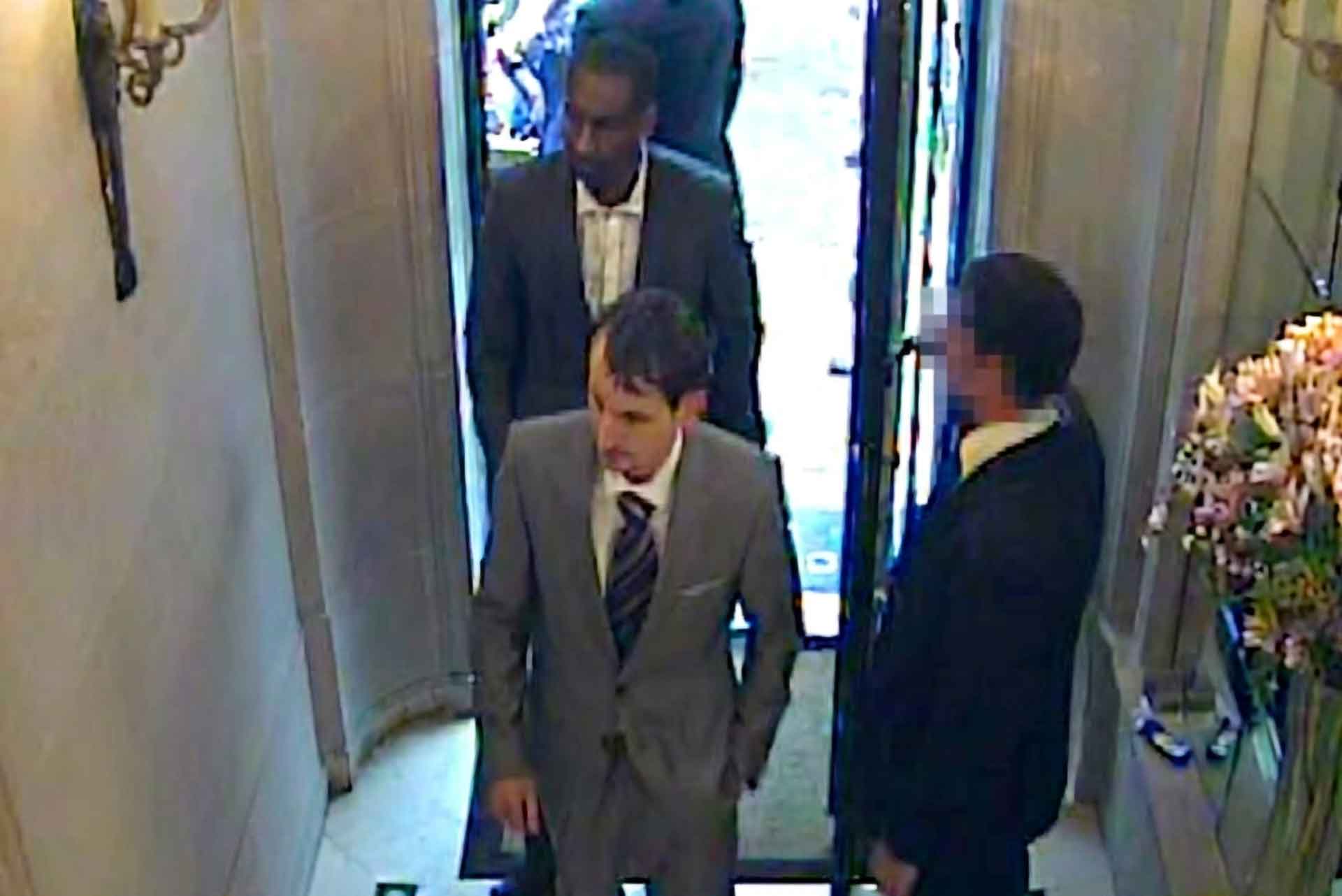
5. The 2009 Graff Diamonds Robbery (London, UK) – £40 Million (~$65 Million)
The Transformation
London’s New Bond Street has been the epicenter of luxury retail for centuries. On August 6, 2009, two impeccably dressed men walked into the Graff Diamonds flagship store in Mayfair around 4:40 in the afternoon. They looked like any other wealthy clients—the kind of customers Graff specialized in serving. But these weren’t customers.
The pair had spent four hours that morning with a professional makeup artist (whom they’d misled about filming a “music video”), getting fitted with latex prosthetics and wigs that dramatically altered their appearances. One robber later boasted that “my own mother wouldn’t recognize me.” Their disguises were so effective that they fooled not just the staff, but security cameras as well.
Twenty Minutes of Terror
Once inside, they drew concealed handguns and took a female sales associate hostage at gunpoint. Under the threat of violence, they forced her and other staff to open display cases and safes. In minutes, they collected 43 high-end jewelry items worth £40 million—diamond rings, elaborate necklaces, rare watches, and fancy bracelets. One necklace alone was valued at over £3 million.
As they exited, they briefly took the saleswoman outside as a human shield, firing a shot into the air to dissuade any heroics from bystanders. They then released her and fled in a waiting blue BMW. Their escape plan involved multiple car switches—from the BMW to a Mercedes, then to another vehicle—in an attempt to throw off police pursuit.
The Fatal Mistake
Despite their careful planning, the robbers made a fatal error. In the chaos of switching cars, they left behind a mobile phone in the first abandoned vehicle. This pay-as-you-go phone contained contact numbers that allowed police to quickly identify gang members. Within two weeks, arrests began.
Four men were ultimately convicted. Aman Kassaye, the 25-year-old Ethiopian-born ringleader, received a 23-year prison sentence in 2010. His accomplices—Solomun Beyene, Craig Calderwood, and Clinton Mogg—received sentences ranging from 16 to 21 years. The investigation revealed that underworld “bosses” had likely financed the operation and planned to fence the diamonds, though these masterminds were never definitively identified.
Vanished Without a Trace
None of the stolen jewelry has ever been recovered. Experts believe the pieces were swiftly shipped overseas, where the diamonds were removed from their settings and recut to disguise their origins—a common fate for high-profile stolen gems. Even though every diamond was laser-inscribed with unique Graff and GIA serial numbers, making them theoretically traceable, the stones have never surfaced in legitimate markets.
The use of theatrical makeup was so unusual that it later emerged a famous British drag queen had unknowingly been hired to create the disguises. The violent tactics—firing shots and briefly kidnapping a staff member—shocked London’s jewelry district and spurred major retailers to upgrade security with controlled entry doors and armed guards.
The Enduring Fascination
These five heists share common threads: meticulous planning, inside knowledge, and the understanding that diamonds, despite their durability, can be made to disappear. Whether through recutting, resetting, or sale in distant markets, stolen diamonds can be transformed and laundered in ways that make recovery nearly impossible.
What’s perhaps most striking is how much of the stolen loot remains missing. Of the combined $478 million stolen in these five heists, authorities have recovered only a small fraction. The rest exists somewhere in the shadowy world of illicit diamond trading—perhaps in private collections, perhaps transformed beyond recognition, perhaps waiting to resurface decades from now.
Why Provenance Matters
These stories remind us why diamonds have captivated humanity for millennia. They’re not just beautiful or valuable—they’re portable wealth, concentrated luxury that can fit in a pocket or briefcase. For legitimate collectors and investors, this makes them attractive assets. For criminals, it makes them irresistible targets.
Just as Princess Diana’s engagement ring demonstrates how documented provenance adds value and meaning to precious stones, these heists show the opposite—how lack of documentation can make valuable gems disappear into criminal networks forever.
The difference between a treasure and stolen goods often comes down to one thing: complete, verifiable documentation. Working with established dealers who maintain rigorous records isn’t just about peace of mind—it’s about ensuring your investment is legitimate and will hold its value for generations to come.
Whether you’re seeking an engagement ring, a significant investment piece, or simply wish to understand more about these fascinating stones, the lesson is clear: in the world of diamonds, transparency and trust aren’t luxuries—they’re necessities.
Because the best diamond stories should be about love, not larceny.





 Back
Back