

 Video call
 Talk to expert


 en
en





 Facebook
 Linkedin
 X (Twitter)
 Reddit
 Mail
Mail
 Copy Link


Aquamarine is a gemstone that has captivated humanity for centuries with its serene, oceanic beauty. Its name, derived from the Latin words “aqua” (water) and “marina” (sea), perfectly encapsulates the essence of its color. But what colour is aquamarine, really? Is it blue, green, or something in between? In this comprehensive guide, we’ll explore the fascinating world of aquamarine’s color, its origins, variations, design aspects, and the science behind its mesmerizing hue. We’ll also delve into its cultural significance, how it compares to other gemstones and gems, and how to choose the perfect aquamarine stone for your collection.
Whether you’re a gemstone enthusiast, a jewelry lover, or simply curious about this enchanting stone, this article will provide you with everything you need to know about the color of aquamarine.
1. The Origin of Aquamarine’s Color
Aquamarine is a variety of the mineral beryl, which also includes emerald, morganite, and heliodor. What sets aquamarine apart is its distinctive color, which ranges from pale blue to blue-green. The color is reminiscent of the tranquil sea, evoking feelings of calmness and clarity.
The color of aquamarine is primarily due to trace amounts of iron within the beryl crystal structure. Depending on the type and amount of iron present, the stone can display a range of hues from light sky blue to deep sea green.
Historical Context
Aquamarine has been cherished since ancient times. Sailors believed it protected them on voyages, and it was often associated with the purity of water and the promise of safe passage. The color of aquamarine was thought to reflect the clarity and depth of the ocean, making it a symbol of tranquility and hope.
2. Aquamarine’s Color Spectrum: Blue, Green, and Beyond
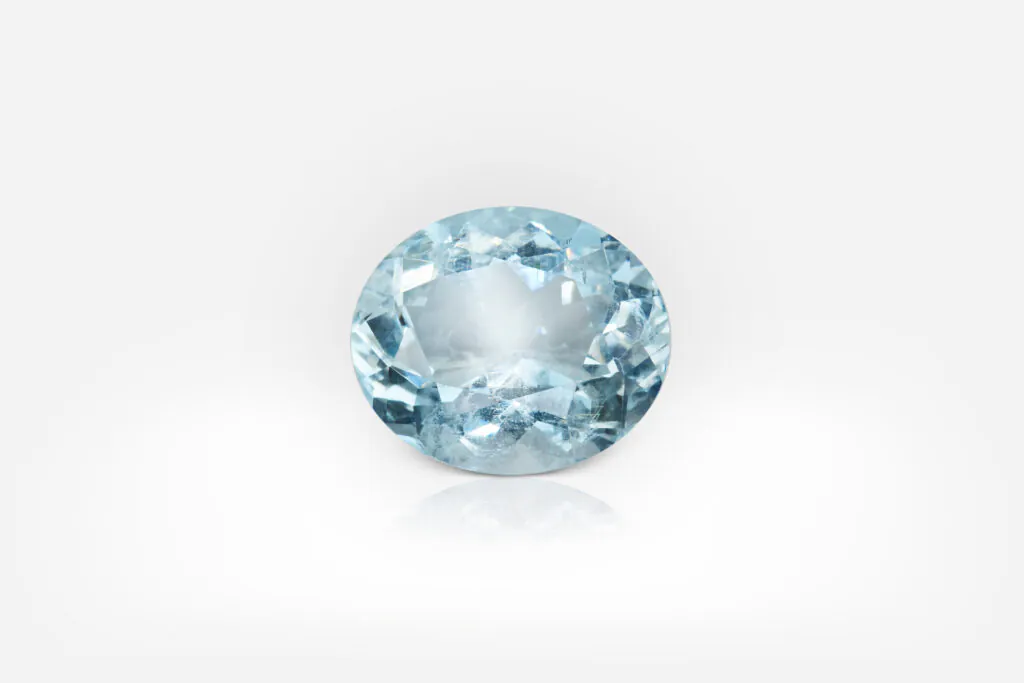
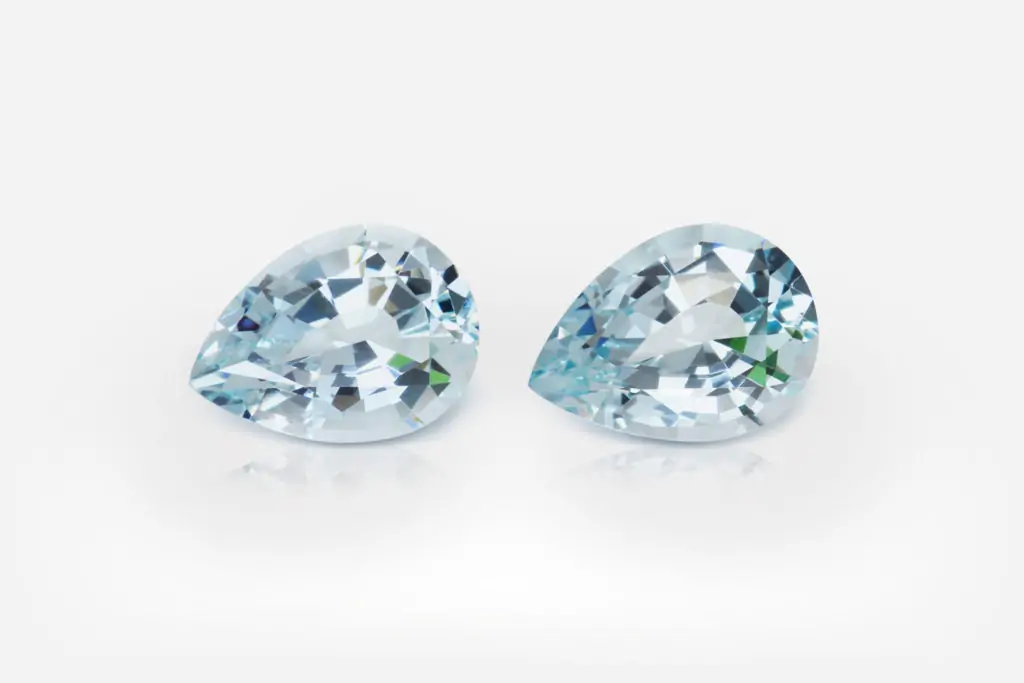
When people ask, “What colour is aquamarine?” the answer is not as straightforward as it might seem. Aquamarine’s color exists on a spectrum, and its appearance can vary significantly depending on several factors.
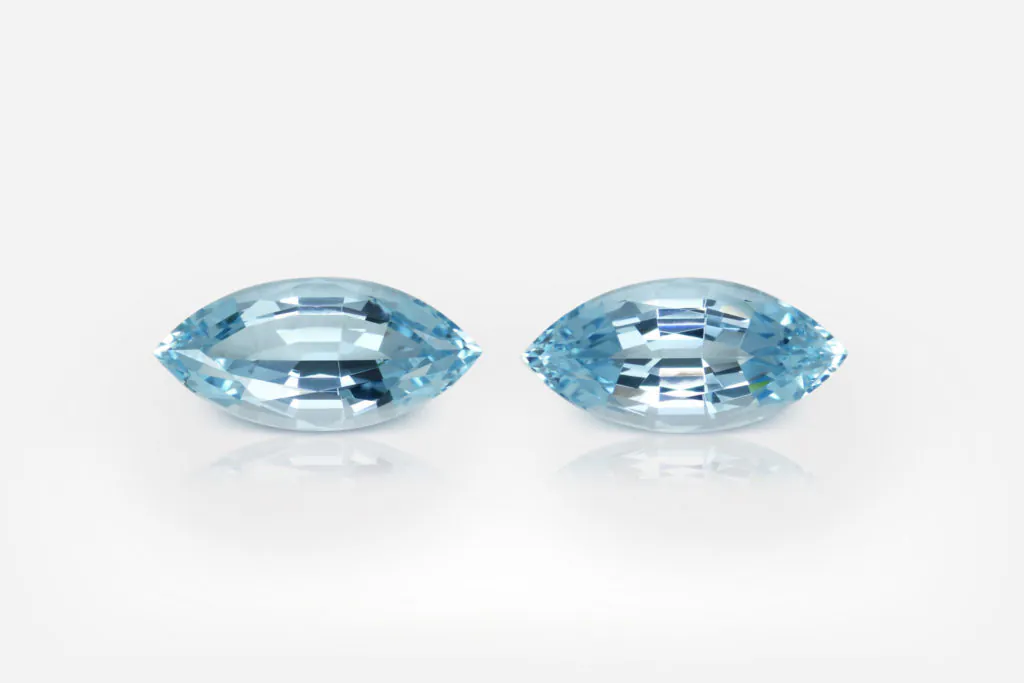
The Blue-Green Spectrum
- Pale Blue: The most common shade, often described as icy or sky blue.
- Blue-Green: Some aquamarines have a noticeable greenish tint, especially in natural, untreated stones.
- Deep Blue: Rare and highly prized, these stones exhibit a rich, almost sapphire-like blue.
- Seafoam Green: A subtle, soft aquamarine shade, reminiscent of shallow tropical waters.
Factors Affecting Color
- Origin: Stones from different regions (such as Brazil, Nigeria, or Madagascar) can have distinct color profiles.
- Treatment: Most aquamarines are heat-treated to enhance their blue color and reduce greenish tones.
- Lighting: Aquamarine can appear more blue or green depending on the light source (natural sunlight vs. artificial light).
- Cut and Size: Larger stones and certain cuts can intensify the color.
Visual Examples
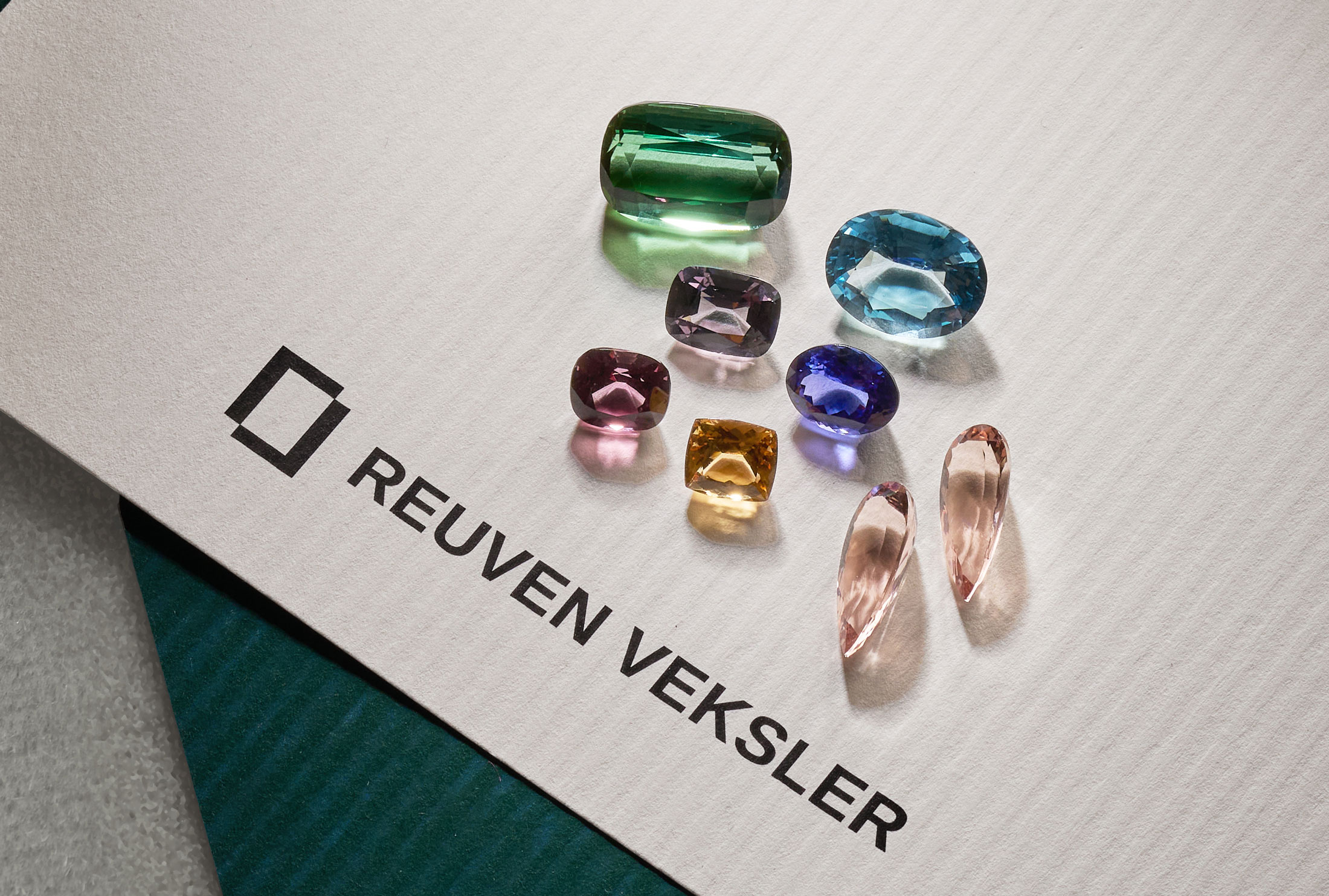
To see a range of aquamarine colors, visit our aquamarine stones collection, where you’ll find a curated selection of aquamarines in various shades.
3. The Science Behind Aquamarine’s Color
The captivating color of aquamarine is a result of its chemical composition and the way it interacts with light.
Chemical Composition
Aquamarine is a beryl mineral with the formula Be₃Al₂(SiO₃)₆. The presence of iron ions (Fe²⁺ and Fe³⁺) within the crystal lattice is responsible for its blue to greenish-blue color.
- Fe²⁺ ions: Produce a blue color.
- Fe³⁺ ions: Can add a greenish tint.
Crystal Structure and Light
Aquamarine’s hexagonal crystal structure, often referred to as hex, allows light to pass through with minimal distortion, resulting in exceptional clarity and brilliance. The way light interacts with the iron impurities gives aquamarine its signature color.
Pleochroism
Aquamarine exhibits pleochroism, meaning it can show different colors when viewed from different angles. Typically, you’ll see a more intense blue along one axis and a lighter or greener hue along another.
4. Aquamarine vs. Other Blue-Green Gemstones
Aquamarine is often compared to other gemstones with similar colors, such as blue topaz, turquoise, and sapphire, by analyzing their distinct RGB values. However, each stone has unique characteristics.
| Gemstone | Typical Color Range | Key Differences |
|---|---|---|
| Aquamarine | Pale blue to blue-green | Softer, more pastel, oceanic clarity |
| Blue Topaz | Bright blue, often vivid | More intense, less green, often treated |
| Turquoise | Opaque blue to green | Opaque, matrix patterns, earthy look |
| Sapphire | Deep blue | Richer, darker, more saturated |
Aquamarine’s color is generally lighter and more transparent than these other stones, giving it a unique, ethereal quality.
For a broader look at gemstones, explore all gemstones to see how aquamarine compares to other gems.

5. Cultural and Historical Significance of Aquamarine’s Color
Aquamarine’s color has played a significant role in its cultural and historical importance.
Symbolism
- Calm and Clarity: The blue-green color is associated with tranquility, clarity of thought, and emotional balance.
- Protection: Ancient sailors believed aquamarine would protect them from storms and ensure safe passage.
- Love and Fidelity: In some cultures, aquamarine is considered a symbol of everlasting love and was often given as a wedding gift.
Mythology and Folklore
- Mermaid’s Treasure: Legends say aquamarine was found in mermaids’ treasure chests, further linking it to the sea.
- Healing Powers: The stone was believed to cure ailments related to the throat and promote clear communication.
6. Aquamarine in Jewelry: How Color Impacts Value
The color of aquamarine is the most important factor in determining its value. Here’s how color influences the desirability and price of aquamarine jewelry.
Color Grading
- Best Quality: Deep blue or blue-green stones with high clarity and minimal inclusions.
- Commercial Quality: Lighter, paler stones are more common and less expensive.
- Greenish Stones: While natural, stones with a strong green tint are generally less valuable unless the color is particularly attractive.
Popular Cuts and Settings
Aquamarine is often cut into emerald, oval, or cushion shapes to maximize its color, RGB brilliance, hex value, and design potential. Its hardness (7.5–8 on the Mohs scale) makes it suitable for all types of jewelry, including rings, necklaces, and earrings.
Famous Aquamarines
- The Dom Pedro Aquamarine: The world’s largest cut aquamarine, exhibiting a stunning blue-green color.
- Queen Elizabeth II’s Aquamarine Tiara: A gift from the people of Brazil, featuring large, vibrant aquamarines.
7. How to Choose the Perfect Aquamarine Stone
When selecting an aquamarine, color should be your primary consideration, but other factors also play a role.
What to Look For
- Color: Choose a shade that appeals to you, whether it’s a pale sky blue or a deeper blue-green like aquamarine.
- Clarity: Aquamarine is typically eye-clean, meaning it has few visible inclusions.
- Cut: A well-cut stone will enhance the color and brilliance.
- Carat Weight: Larger stones often display more intense color.
Natural vs. Treated Stones
Most aquamarines on the market are heat-treated to enhance their blue color, which is often a crucial part of their design. Untreated stones with a natural blue-green hue are rarer and may be more valuable to collectors.
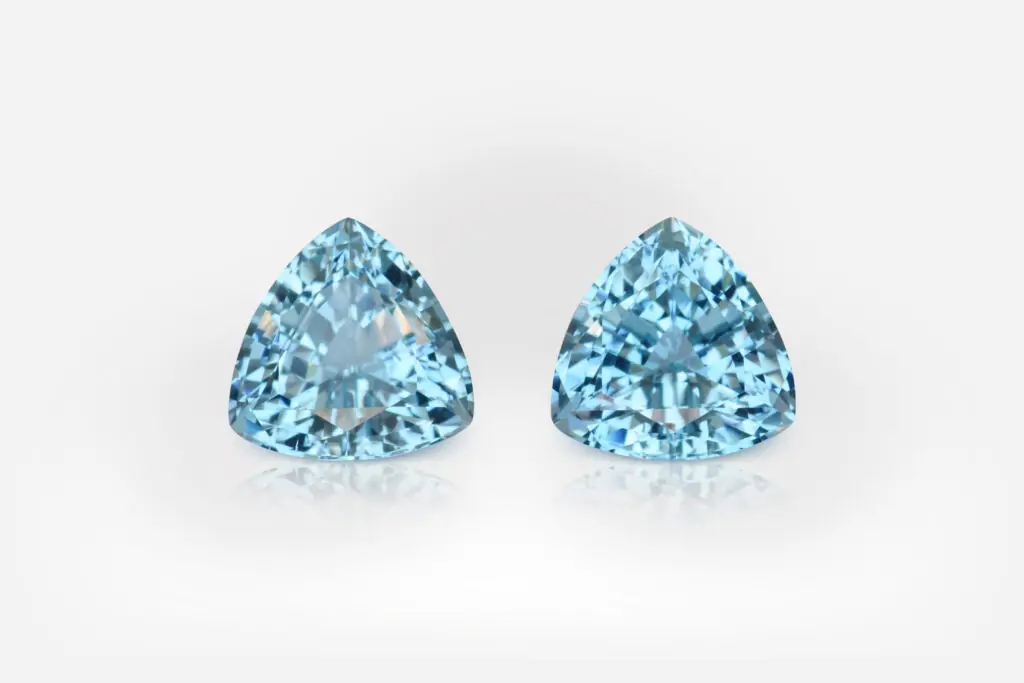
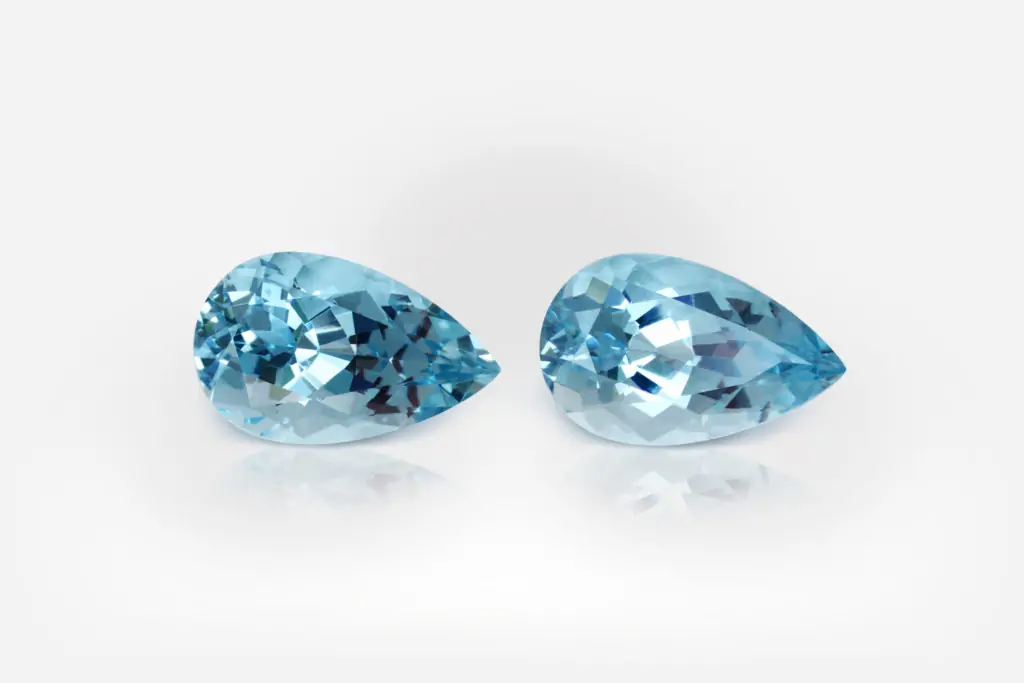
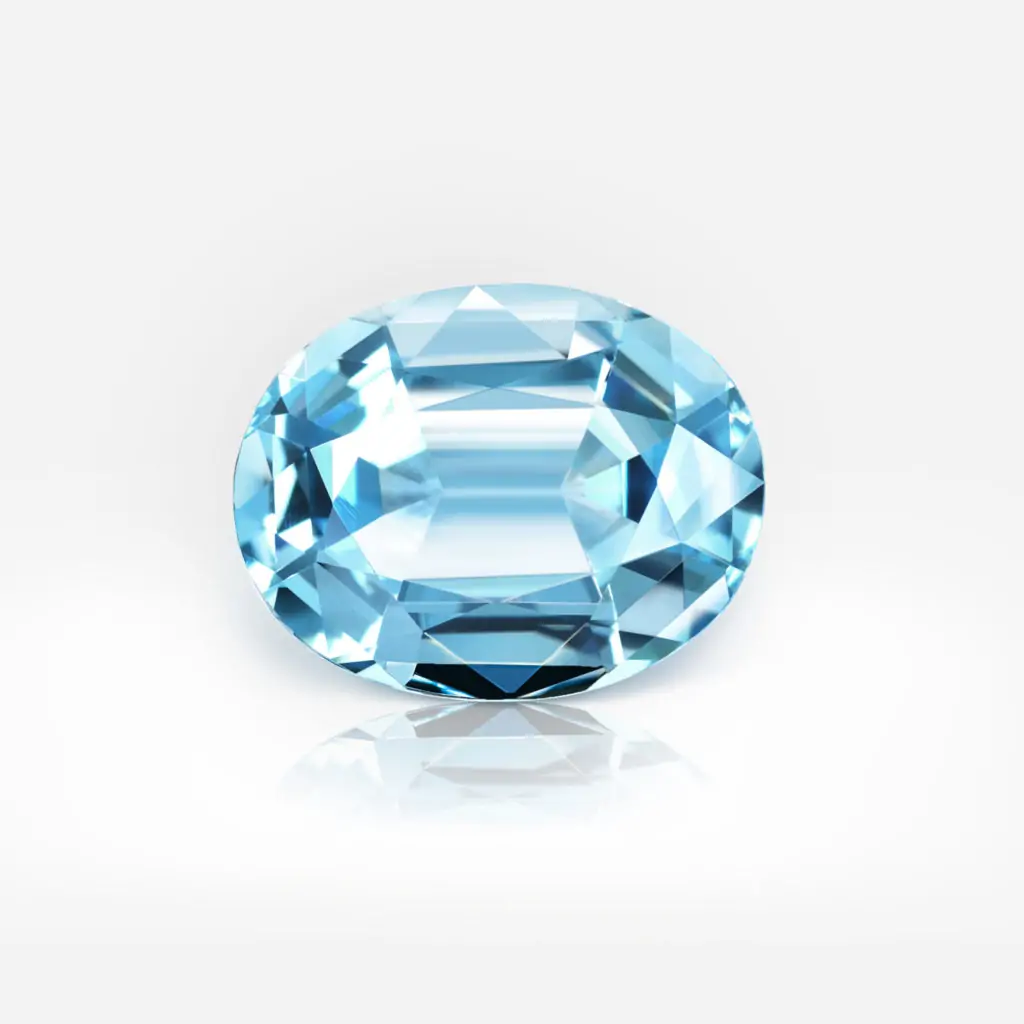
For a curated selection, browse our aquamarine stones to find the perfect gem for your needs.
8. Caring for Aquamarine: Preserving Its Color
Aquamarine is a durable gemstone, but proper care will help preserve its color and brilliance for generations.
Cleaning Tips
- Mild Soap and Water: Use a soft brush and mild soap to clean your aquamarine jewelry.
- Avoid Harsh Chemicals: Chemicals and ultrasonic cleaners can damage the stone.
- Store Separately: Store aquamarine pieces separately to prevent scratches.
Protecting from Sunlight
Prolonged exposure to intense sunlight can cause the color of aquamarine to fade. Store your jewelry in a cool, dark place when not in use.
9. Frequently Asked Questions About Aquamarine’s Color
Is aquamarine blue or green?
Aquamarine can be both! Its color ranges from pale blue to blue-green, depending on its chemical composition and treatment.
Why do some aquamarines look greener than others?
The presence of Fe³⁺ ions and the lack of heat treatment can result in a greener hue. Many aquamarine stones are heat-treated to enhance their blue color.
Does aquamarine’s color fade over time?
With proper care, aquamarine retains its color well. However, excessive exposure to sunlight or harsh chemicals can cause fading.
How does aquamarine compare to blue topaz?
Aquamarine is generally lighter and softer in color, with a more pastel, oceanic appearance. Blue topaz tends to be more vivid and less green.
What is the most valuable color for aquamarine?
The most valuable aquamarines are deep blue or blue-green with high clarity and minimal inclusions.
10. Explore More About Aquamarine and Gemstones
Aquamarine’s color, akin to the subtle tones of rgb, is a testament to the beauty and complexity of nature. Whether you prefer a pale blue reminiscent of a clear sky or a deeper blue-green echoing the depths of the ocean, aquamarine offers a spectrum of shades to suit every taste.
For more information and to explore a wide range of gemstones, visit:
Conclusion
So, what colour is aquamarine? The answer is as fluid and enchanting as the sea itself. Aquamarine’s color ranges from the palest blue to vibrant blue-green, shaped by the forces of nature and the hands of skilled gem cutters. Its unique hue has inspired legends, adorned royalty, and captivated gemstone lovers for generations.
Whether you’re seeking a stone for its beauty, symbolism, or investment value, aquamarine’s color will always stand out as its most defining and alluring feature. Dive into the world of aquamarine and let its tranquil hues inspire you.
Ready to discover your perfect aquamarine? Explore our aquamarine stones or learn more about gemstones with our educational articles. Let the journey begin!





 Back
Back